Availability and types
Hamburger buns are easy to find in many supermarkets, bakeries and even petrol stations. They are often sold fresh on the bread shelf or offered frozen in bulk packs. Because they are so popular, they are available almost anywhere bread is sold — from the small village baker to the large supermarket chain. If you have specific requirements, such as wholegrain or gluten-free, it's worth going to a bakery or checking the organic section.
Origin and basic ingredients
A hamburger bun usually consists of flour, water, yeast, salt and sometimes a little sugar and fat (like butter or oil). The flour mostly comes from cereals, mainly wheat. Wheat is grown in many countries — in Europe, North and South America, Australia and Asia. You can imagine it like this: farmers sow the grain, harvest it, mill it into flour, and bakers shape it into the soft buns used for hamburgers.
A hamburger bun usually consists of flour, water, yeast, salt and sometimes a little sugar and fat (like butter or oil). The flour mostly comes from cereals, mainly wheat. Wheat is grown in many countries — in Europe, North and South America, Australia and Asia. You can imagine it like this: farmers sow the grain, harvest it, mill it into flour, and bakers shape it into the soft buns used for hamburgers.
Growing regions
Wheat grows particularly well in temperate regions with enough rain or irrigation. Well-known growing regions include:
Wheat grows particularly well in temperate regions with enough rain or irrigation. Well-known growing regions include:
- Europe: Countries such as Germany, France and Poland produce a lot of wheat.
- North America: The USA and Canada have large wheat fields.
- South America: Argentina and Brazil also produce a lot of grain.
- Australia: There are also large areas of wheat fields here.
These regions supply the flour from which the buns are baked. So when you eat a bun, you often have ingredients from several parts of the world on your plate.
Available kinds and variants
Hamburger buns come in many forms — like T-shirts in different colors and sizes. Here are the most common variants you'll find in stores:
Hamburger buns come in many forms — like T-shirts in different colors and sizes. Here are the most common variants you'll find in stores:
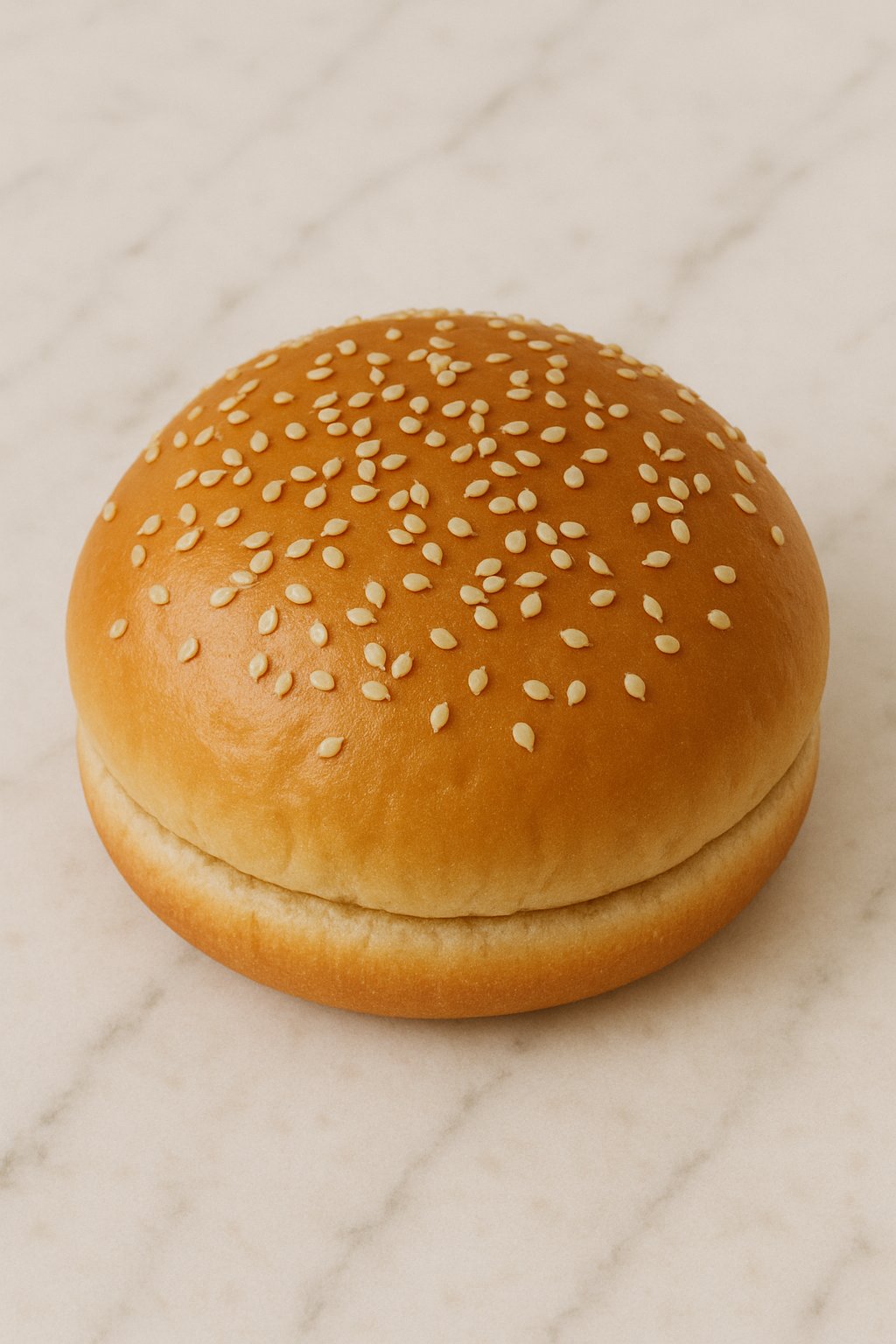
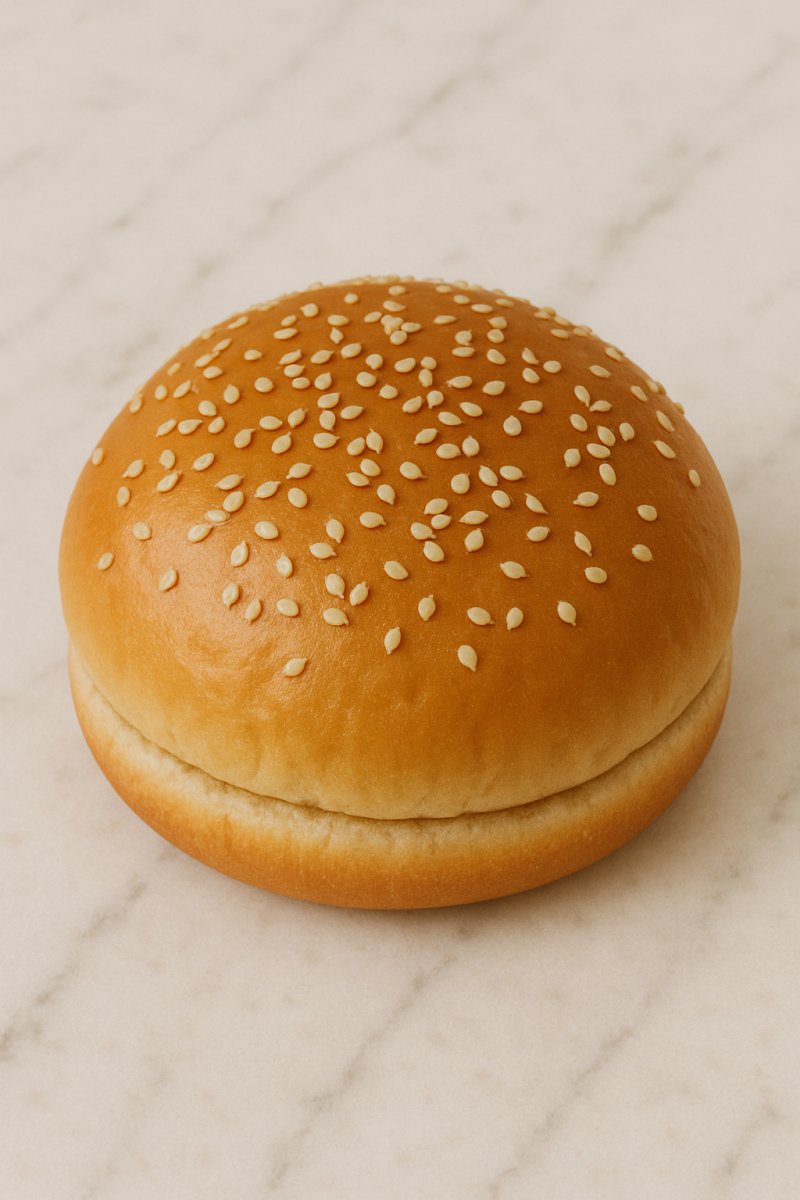
- Classic white bun: Soft interior, slightly sweet, often sprinkled with sesame on top. This is the standard variant for most burgers.
- Wholegrain bun: These contain more fiber and are darker. They taste a bit nuttier and are "healthier" in the sense that they keep you full longer.
- Sesame or poppy seed buns: With small seeds on the surface — this gives a little crunch and looks nice.
- Mini or party buns: Small versions for parties or as a side, ideal for small burgers or sharing.
- Gluten-free buns: For people who cannot tolerate gluten. They are made from other flours such as rice or corn.
- Vegan variants: These buns contain no milk or eggs — important for people who follow a plant-based diet.
- Gourmet or brioche buns: These are particularly soft and buttery, sometimes glossy due to an egg-milk mixture on top — they taste rich and especially tasty.
Many bakeries and supermarkets also offer seasonal or regional specialties — for example buns with herbs, cheese or special seeds (like sunflower seeds). A simple tip: check the ingredient list if you need to watch for allergens or specific ingredients.
Overall, hamburger buns come in many variants so that every taste and dietary preference can find something suitable. Whether you want a classic sesame bun, a wholegrain roll or a gluten-free alternative — the selection is large and often available nearby.