Menu & categories

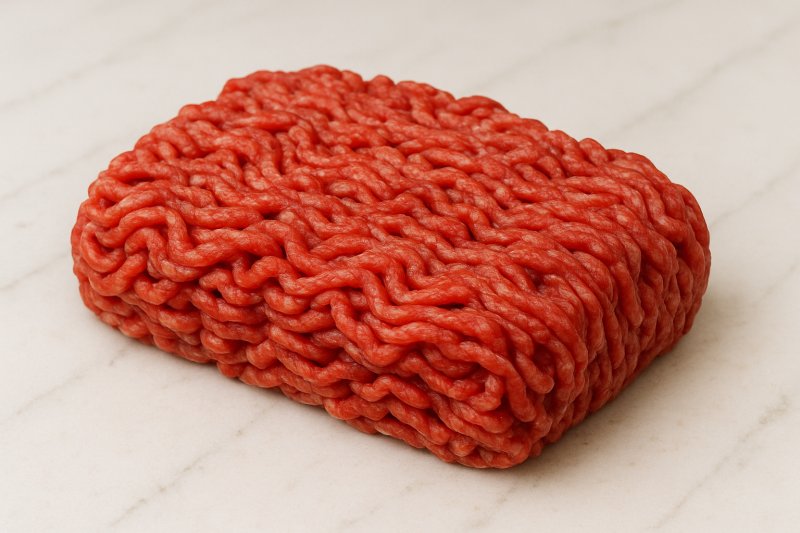
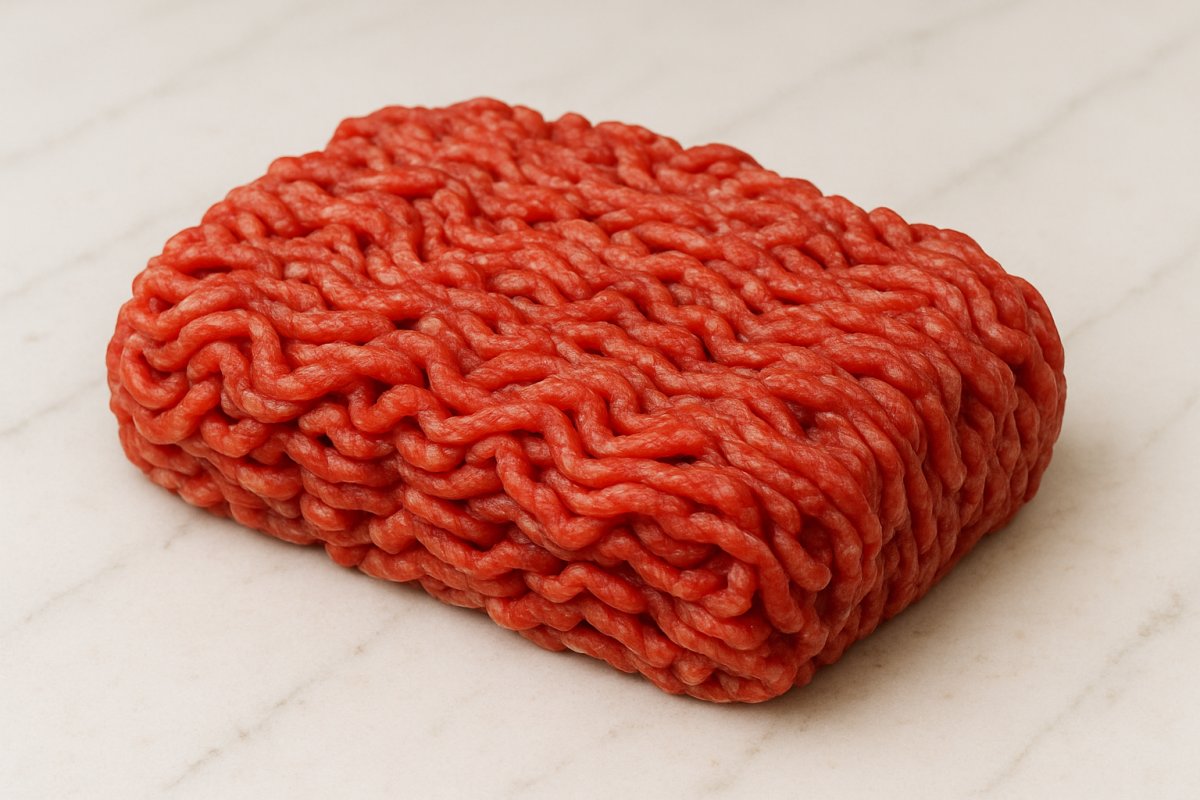
Ground beef

Juicy ground beef for hearty dishes such as Bolognese, burgers and meat patties.

Wiki about ground beef Nutri-Score D Vegan No Gluten-free Yes Lactose-free Yes Nut-free Yes
NUTRITION / 100 g
254 kcal 17 g Protein 0 g Kohlenhydrate 20 g Fett

Introduction

Ground beef in a bowl

Ground beef is, to me, a culinary chameleon: affordable, versatile and full of flavor. I still remember how the scent of browned ground beef filled my kitchen on a rainy Tuesday evening and immediately gathered everyone. Since then it has stood for me not only for quick dishes but also for memories of improvised dinners with friends.

What makes ground beef special is its simple structure and the ability to deliberately use texture and fat content. Fat contents between about 5 and 20 percent affect flavor and juiciness. A lean mince is good for Bolognese, while a higher fat content yields wonderful burgers and juicy meatballs. I once told a colleague a secret: mix two different types of meat, and the result is often even more exciting.

When preparing it I always pay attention to two things: proper searing and correct seasoning. The pan must not be overcrowded so the meat browns nicely and does not just steam. I add salt either early for texture or later to control moisture, depending on the recipe. Garlic, onions and a splash of Worcestershire sauce often bring the final kick.

  • Storage: In the refrigerator ground beef keeps for about one to two days; freezing definitely extends this.
  • Safety: Cook thoroughly; with minced meat you cannot rule out the risk of germs just by looking.
  • Use: Ideal for burgers, Bolognese, tacos, Shepherd’s Pie or stuffed peppers.

I like to tell all this with a wink, because ground beef has so many little secrets you discover in everyday life. Next time you grab the package from the supermarket, remember that a bit of experimental spirit and a warm stove are enough to cook great comfort from a simple ingredient. Enjoy your meal!

Availability & types

Availability and types of ground beef

Where does ground beef come from?
Ground beef is simply finely minced beef. It comes from cows and young cattle raised on farms. The animals are kept in many countries – in Germany especially in northern and southern regions and in agricultural areas. Other major supplying countries include the USA, Brazil and Ireland. If the packaging says “regional” or bears a farm name, then the meat often comes from the nearby area.

How is ground beef available?
You can find ground beef in many places:

  • Butcher shop: Fresh from the butcher. There you can often choose the cut and the fat content.
  • Supermarket: In the refrigerated counter as fresh mince or vacuum-packed. There are often different pack sizes.
  • Farmers' market and farm shops: Regional meat directly from the producer.
  • Online and frozen trade: Pre-portioned, frozen ground beef that can be ordered.

What varieties and variants exist?
Ground beef comes in different types. Here are some simple explanations:

  • Lean ground beef: Has little fat (for example 5–10%). It is “sporty” like a thin T-shirt – healthy, but sometimes a little drier when cooking.
  • Normal fat content: Often between 15–20%. This mince stays juicy and tastes intense because fat carries flavor – similar to oil when frying.
  • Coarse or fine: The meat can be ground coarser or finer. Coarse mince is good for burgers, fine for sauces or meatballs.
  • Mixed types (mixed mince): Sometimes ground beef is mixed with pork – this is called “mixed mince”. It becomes even juicier and more flavorful.
  • Organic ground beef: From animals raised organically. These cows receive different feed and more space. “Organic” is like the label for particularly careful husbandry and feeding.
  • Pasture- or grass-fed: Animals that spent a lot of time on pasture often have a somewhat different flavor. The packaging will then say “Weiderind” or “grass-fed”.
  • Pre-seasoned mince and burger patties: Some products are already mixed with spices or formed into ready burger patties – convenient when you need something quick.

What should you pay attention to?
Pay attention to the use-by date, the fat ratio (often stated in percent) and labels like “Organic” or “regional”. Fresh mince only keeps for a few days in the refrigerator; frozen it can be stored longer.

In summary: ground beef is easy to obtain – at the butcher, in the supermarket or online – and there are many variants: lean or fatty, coarse or fine, organic or conventional, pure or mixed. So you can find the right type for every dish.
Details & nutrition

Property Value
Unit g
Calories per 100 254
Protein per 100 17
Carbohydrates per 100 0
Sugar per 100 0
Fat per 100 20
Saturated fat per 100 8
Monounsaturated fat 9
Polyunsaturated fat 0.7
Fiber per 100 0
Vitamin C (mg) per 100 0
Vitamin D (IU) per 100 8
Calcium (mg) per 100 18
Iron (mg) per 100 2
Nutri-Score D
CO₂ footprint 2.7 kg CO2e/100 g
Origin Germany (beef)
Gluten-free Yes
Lactose-free Yes
Nut-free Yes
Vegan No
Note Cook raw ground meat thoroughly before consumption and keep refrigerated at all times.

Technical & scientific information

Ground beef refers to finely minced beef produced by mechanical grinding of lean and fatty muscle parts. It is a versatile ingredient in many cuisines and differs from whole cuts mainly by the increased surface area as well as the altered structure and binding of the fibers. Due to grinding, physical, chemical and microbiological properties are different than in whole meat.

Composition and nutritional values
The chemical composition of ground beef varies with fat content; commercial variants commonly range between 5% and 30% fat. Typical nutritional value ranges per 100 g raw are:

  • Water: 60–75 %
  • Protein: 16–26 g – mainly myofibrillar proteins such as actin and myosin
  • Fat: 5–30 g – a mixture of saturated and unsaturated fatty acids including palmitic acid, oleic acid and linoleic acid
  • Minerals: in particular iron (as heme-bound iron), zinc, phosphorus and small amounts of calcium
  • Vitamins: B vitamins (B12, niacin, B6, riboflavin) in relevant amounts
  • Cholesterol: around 60–90 mg, depending on fat content

Physicochemical properties
Grinding increases the surface area and releases cellular contents. Myofibrillar proteins play a functional role during grinding and subsequent kneading: they form networks that bind fat and water, influencing texture and juiciness. During heating, Maillard reactions occur between amino acids and reducing sugars, producing aroma and browning. At the same time, oxidation of lipids and myoglobin can cause color damage and flavor losses.

Processing and technology
Ground beef is produced industrially or artisanally. Key steps are: cooling of the raw material, pre-reduction, grinding with defined perforated plates to control particle fineness, homogenization and, if applicable, blending of different cuts. Additives are not mandatory but may include salt, phosphates or antioxidants to improve shelf-life and protein stability. The size of meat particles and fat content determine mouthfeel and suitability for specific products (e.g. burgers, meatballs, Bolognese).

Microbiology, storage and food safety
Grinding distributes surface flora into the interior of the meat, which increases microbiological risk. Relevant bacterial pathogens include Escherichia coli, Salmonella spp. and Listeria monocytogenes. The cold chain (near 0–4 °C) and proper hygiene are crucial. For safe preparation it is recommended to cook thoroughly; recommended core temperatures are around 70 °C to kill pathogenic organisms. Frozen mince can be stored for several months; fresh mince has a limited shelf-life of a few days in the refrigerator.

Health aspects
Ground beef is a nutrient-dense source of protein and provides bioavailable heme iron and vitamin B12. At the same time, a high total fat content and a high proportion of saturated fatty acids can increase the risk of cardiometabolic diseases when consumed frequently and in excess. Intense heat exposure, particularly grilling or high-heat searing to charring, can promote formation of heterocyclic amines and polycyclic aromatic hydrocarbons, which are considered potentially harmful to health.

Ground beef is therefore nutritionally valuable but requires proper processing, storage and preparation to realize its full potential and minimize health risks.

Wiki entry for: ground beef
Active now: 18 visitors of which 2 logged-in members in the last 5 minutes