Availability and types of grenadine
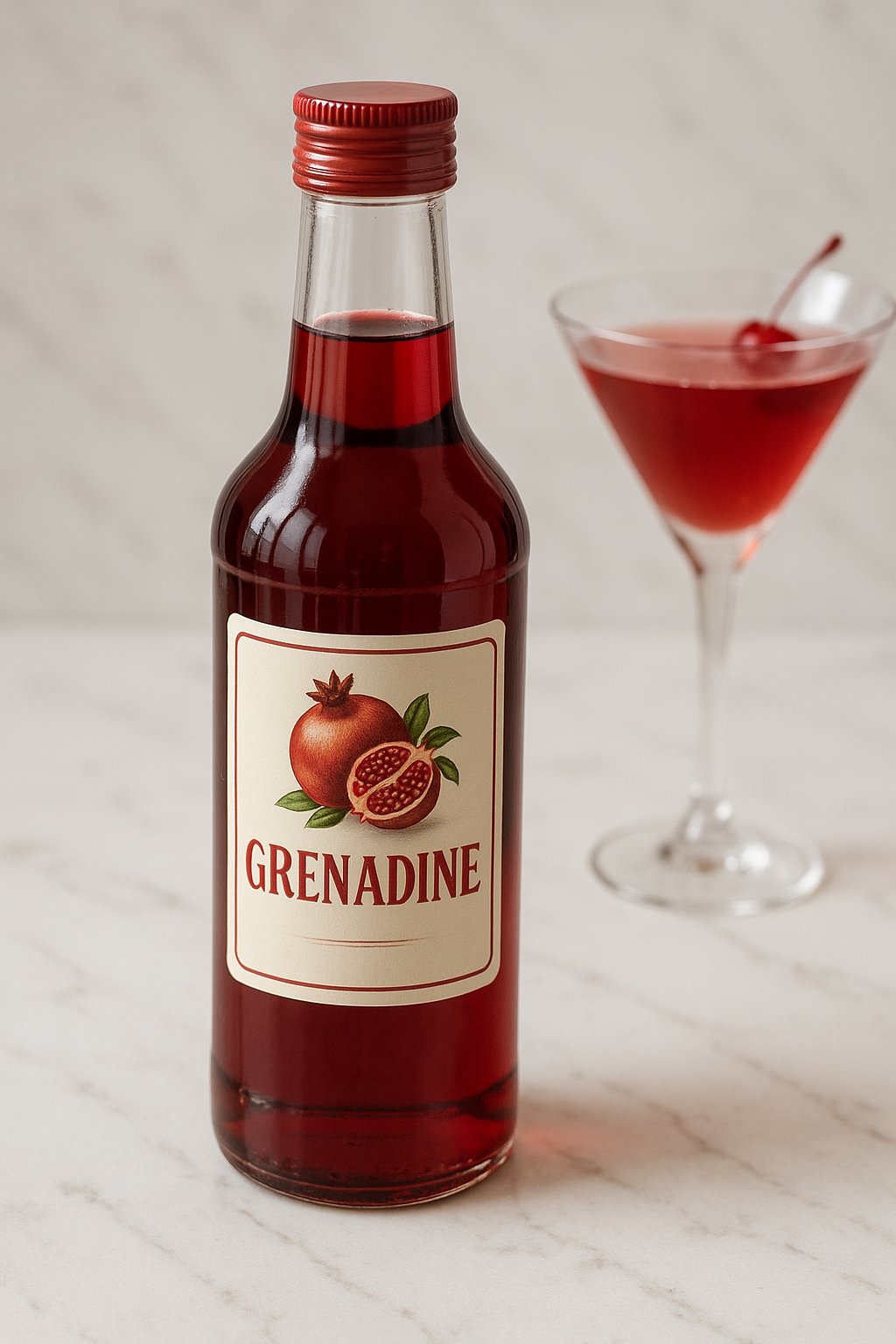
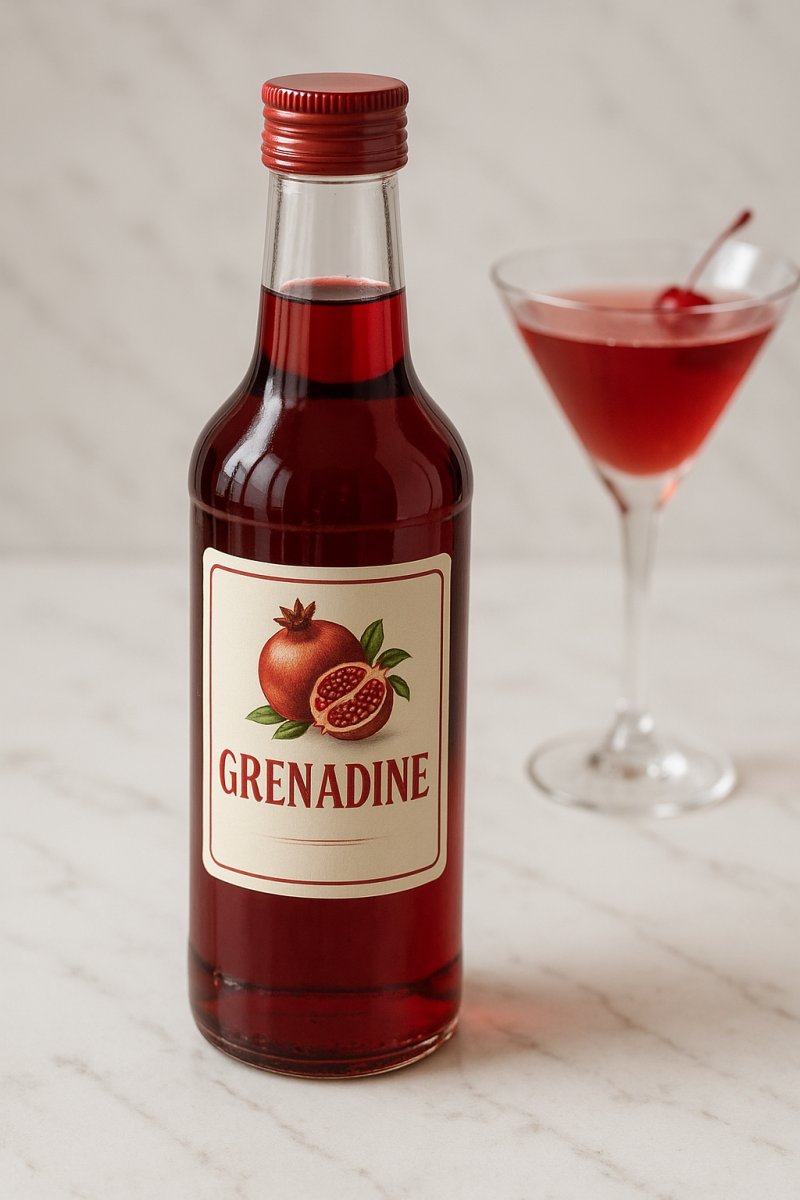
Grenadine is a sweet, bright red syrup often used in drinks and cocktails. The name comes from the French word grenade, which means pomegranate. In the past grenadine was made almost exclusively from real pomegranate juice and sugar. Today you can find different kinds, some are completely natural, others are heavily processed. I'll explain origin, growing regions and the varieties so it's easy to understand — even for children.
Origin and why pomegranates matter
Pomegranates are fruits with many red seeds inside a hard shell. Juice is made from those seeds and tastes sweet and slightly tart. Traditionally grenadine comes from that juice. Imagine cooking the juice with sugar down until it becomes thick and syrupy — that's the classic grenadine.
Pomegranates are fruits with many red seeds inside a hard shell. Juice is made from those seeds and tastes sweet and slightly tart. Traditionally grenadine comes from that juice. Imagine cooking the juice with sugar down until it becomes thick and syrupy — that's the classic grenadine.
Growing regions
Pomegranates grow best in warm areas with plenty of sun. Important growing regions are:
Pomegranates grow best in warm areas with plenty of sun. Important growing regions are:
- Mediterranean region: Countries like Spain, Italy and Greece.
- Middle East: Iran, Turkey and countries around the eastern Mediterranean.
- South Asia: India has large plantations.
- California: In the USA pomegranates are mainly grown in California.
These regions are warm and dry enough for the trees to produce good fruit. You can think of it like a sunbath: pomegranates like lots of sun to grow big and sweet.
Available varieties and types
Today you'll find grenadine in many different forms. Here are the main types, explained as for a child:
- Classic pomegranate grenadine (homemade or natural): Made from real pomegranate juice and sugar. It tastes the freshest and often has a slightly tart aftertaste. Like homemade applesauce — simple and genuine.
- Commercial "red syrups": Many supermarket grenadines are made from sugar, water, artificial flavors and red coloring. They are often cheaper and last longer, but taste less like real pomegranate. It's like bottled lemonade compared to freshly squeezed juice.
- Liqueur or cocktail variants: Some producers mix grenadine with alcohol or special flavors for bartenders. These are intended more for adults.
- Flavor variants: There are also versions with additional fruits like cherry or raspberry, which are sweeter or differently fruity.
- Light and low‑sugar variants: For people who want less sugar there are also options with sweeteners or less sugar.
- Pomegranate molasses (Pomegranate molasses): This is thicker and more concentrated than grenadine and is often used in cooking. It tastes more intense, almost like a dense juice.
Where to find grenadine
You can find grenadine in supermarkets, well‑stocked beverage shops, delicatessens and online. For natural, high‑quality varieties look in organic stores or at farmers' markets. In regions with many people from the Middle East you often find traditional varieties in specialist shops.
You can find grenadine in supermarkets, well‑stocked beverage shops, delicatessens and online. For natural, high‑quality varieties look in organic stores or at farmers' markets. In regions with many people from the Middle East you often find traditional varieties in specialist shops.
In short: if you want a fresh, authentic taste, look for grenadine made with real pomegranate juice. If only color and sweetness matter to you, the inexpensive variants are often enough. Both have their place — like fresh fruit and sweets — and it depends on what you want to do at the moment.