Menu & categories

Green beans

Crisp, low in calories and high in fiber

Wiki about green bean Nutri-Score A Vegan Yes Gluten-free Yes Lactose-free Yes Nut-free Yes
NUTRITION / 100 g
31 kcal 1.8 g Protein 7.0 g Kohlenhydrate 0.2 g Fett

Introduction

Fresh green beans
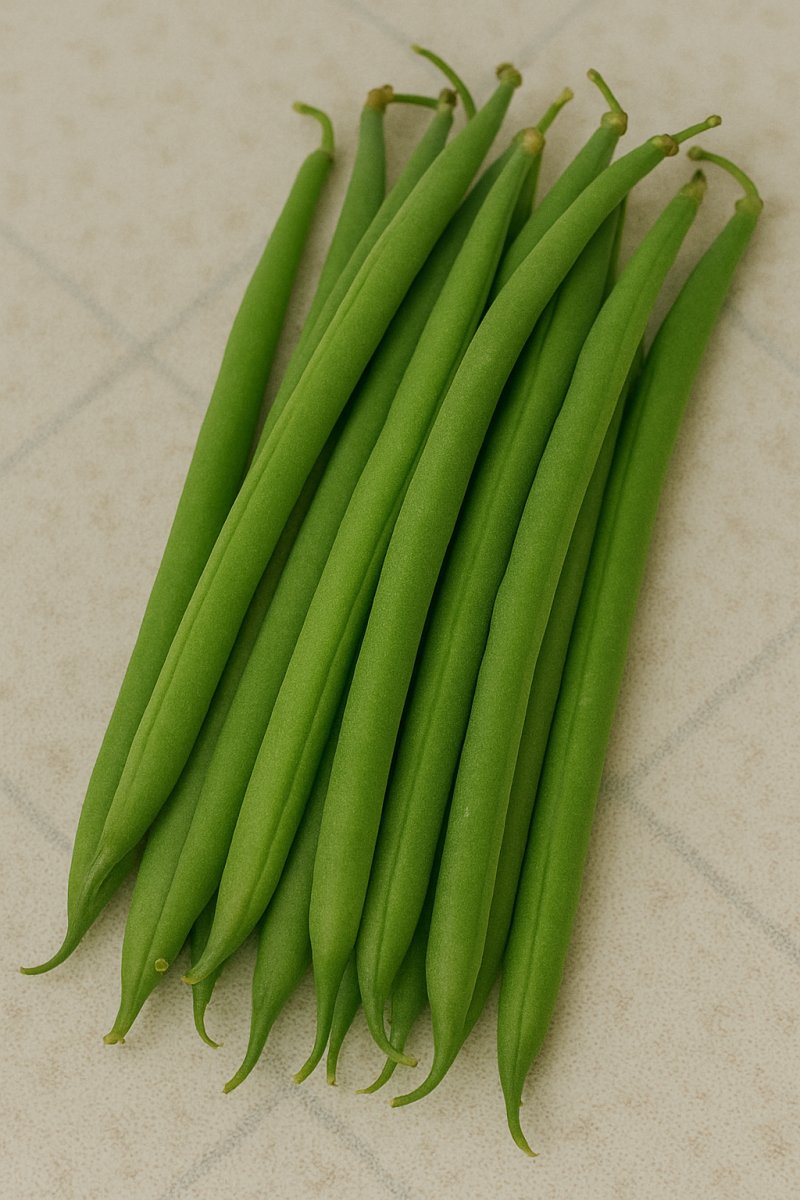
Green beans have accompanied me since childhood: crunchy, versatile and surprisingly elegant in the kitchen. As a 35-year-old editor from Europe juggling the weekly market, editorial deadlines and dinner, I often reach for this vegetable because it works reliably, tastes good and is convincing both in season and year-round. Green beans, also called string beans or garden beans, connect regional flavor with international cuisine – from the Mediterranean skillet to the French Salade niçoise. Their fresh color, tender bite and delicate sweetness make them an ingredient that can shine as both minimalist and festive.

What I particularly love about green beans is the combination of texture and aroma. Properly prepared – that is briefly blanched and then shocked in ice water – they stay bright green and keep their bite. I learned this technique years ago from a chef at a small culinary workshop on Lake Garda. Since then hardly any bean reaches my plate without this intermediate step. A colleague of mine swears by quick sautéing with shallots and a squeeze of lemon juice: this gives green beans a light roasted aroma that pairs wonderfully with fish, chicken or fried tofu.

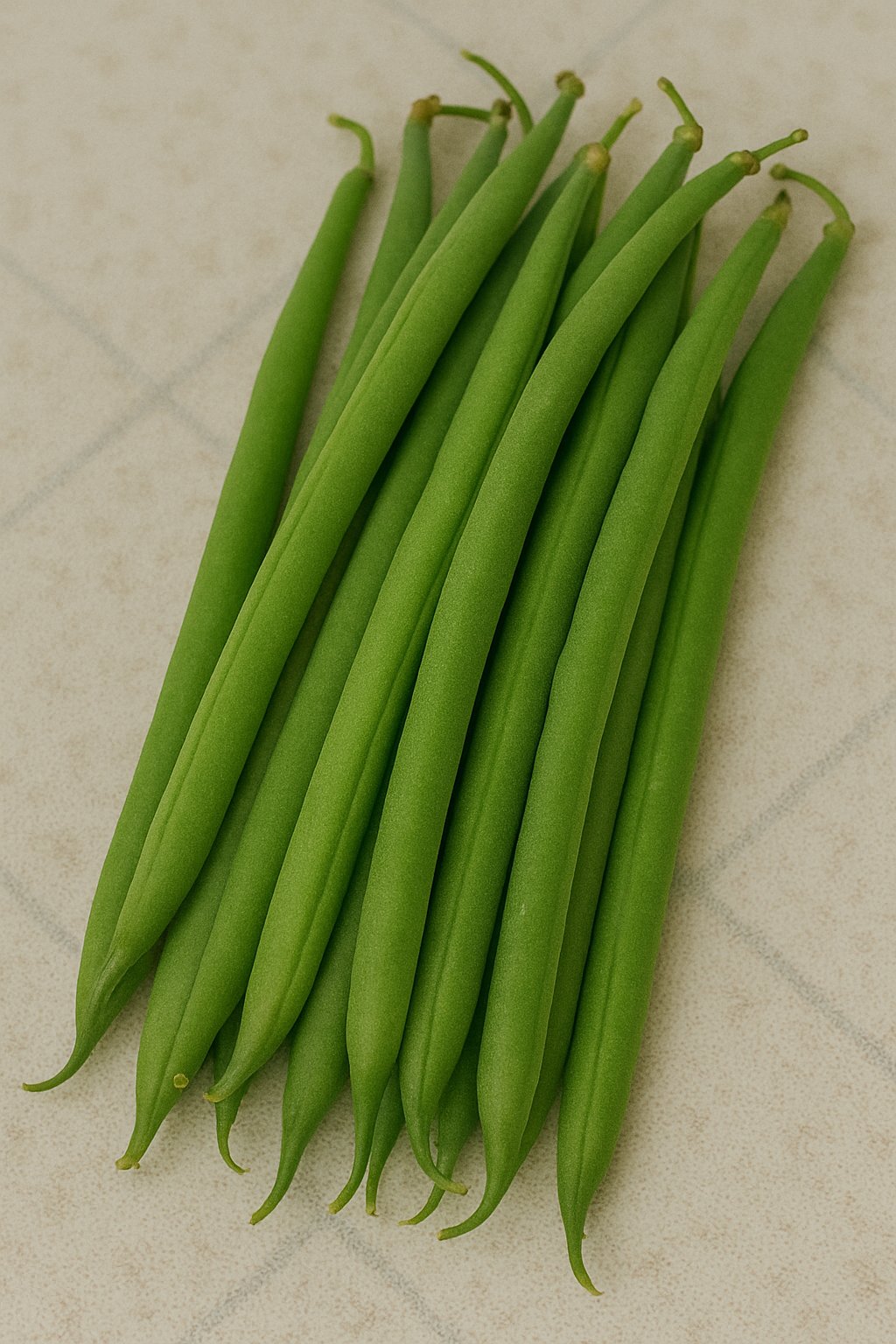
Availability plays a big role in everyday European life. Fresh green beans are available in season, but frozen varieties are also an excellent choice – they are harvested ripe and gently flash-frozen. At the weekly market I look for plump, unblemished pods that snap easily when bent and show few strings inside. These small quality signs determine whether the beans will crunch in a salad or soften in the pot.

The culinary uses of green beans are surprisingly varied. In Italian cuisine they often appear together with potatoes and pesto on the plate. In France they are part of classic bean salads with mustard dressing, and in Levantine cuisine they are gently stewed with tomatoes, garlic and olive oil. At home I often make a quick skillet of green beans, cherry tomatoes, capers and toasted almonds – an uncomplicated dinner that looks like more than it is.

Availability & types

Availability and types of green beans (also called garden beans, bush beans or pole beans) depend heavily on season, growing region and variety. Green beans are the pods of the bean plant harvested while still immature. They are eaten while the seeds inside are still small and tender. This makes them crunchy and mild in flavor. To help you navigate, here you can learn when green beans are available, where they come from and what types exist – simply explained and easy to understand.

Origin and cultivation
The bean plant originates from Central and South America. People there cultivated it many centuries ago. With explorers and traders beans reached Europe. Today green beans are grown worldwide in many countries because they are adaptable. They prefer warm temperatures, sun and a loose soil. In Europe they often come from regional cultivation in summer. In cooler months they are frequently imported from more southern countries, for example Spain, Morocco or Kenya. In greenhouses beans can also grow earlier or later in the year, but the largest quantities still come from open fields.

Availability through the year
In Central Europe the main season is from June to September. Then the pods are fresh, crunchy and usually cheapest. Out of season you will often find green beans as imported goods in the supermarket, and also as frozen products and in canned form (preserved in jars or cans).
- Fresh beans: best from regional markets in summer.
- Frozen beans: available year-round, already trimmed and often blanched.
- Jar/canned beans: year-round, already cooked and very practical when you need something quick.

Why are there so many varieties?
Breeders have over time developed different beans so that they vary in size, tenderness or robustness. Some grow low like small bushes, others climb on poles. They also differ in pod structure: some have a smooth, fine pod, others a fleshier one, and others still a rougher surface.
Details & nutrition

Property Value
Unit g
Average weight per piece 10
Calories per 100 31
Protein per 100 1.8
Carbohydrates per 100 7.0
Sugar per 100 3.3
Fat per 100 0.2
Saturated fat per 100 0.05
Monounsaturated fat 0.02
Polyunsaturated fat 0.09
Fiber per 100 3.4
Vitamin C (mg) per 100 12
Vitamin D (IU) per 100 0
Calcium (mg) per 100 37
Iron (mg) per 100 1.0
Nutri-Score A
CO₂ footprint 0.5 kg CO2e/kg
Origin Depending on the season: Germany, Netherlands, Spain, Morocco
Gluten-free Yes
Lactose-free Yes
Nut-free Yes
Vegan Yes
Note Raw green beans contain lectins and should be cooked thoroughly before consumption.

Technical & scientific information

Green beans denote the immature, edible-as-a-whole pods of various garden bean varieties (Phaseolus vulgaris) from the Fabaceae family. In German-speaking regions the terms Grüne Bohnen, pole beans (climbing types) and bush beans (compact types) are also common. Botanically, these are the young pods containing seeds, harvested before physiological maturity. Characteristic are fleshy, stringless pods in modern varieties, a tender bite when blanched, and a marked enzymatic activity that makes raw consumption problematic. Green beans are a versatile culinary ingredient, rich in fiber, secondary plant compounds and minerals, while also showing notable technological and nutritional properties.

Botany and morphology
Phaseolus vulgaris originates from Central and South America and has been cultivated worldwide in modern times. The plant is annual, with trifoliate leaves, papilionaceous flowers and typical legume pods. Green beans are offered in different pod shapes: round, flat, medium-width, with lengths of about 8–20 cm. Modern cultivars are stringless (without the tough sclerenchyma threads along the seam), which improves sensory quality. Climbing pole beans require supports, whereas bush types remain compact and mature faster. The root system contributes to the symbiosis with rhizobia, which fix atmospheric nitrogen and thus improve the nutrient balance.

Nutritional profile and micronutrients
Green beans have a low energy content (typically 25–35 kcal per 100 g raw), due to high water content (about 90 %) and moderate carbohydrate content (4–7 g/100 g). They are fiber-rich (2–3 g/100 g), with soluble and insoluble fractions that contribute to gut health. Protein content is around 2 g/100 g, with an amino acid pattern typical of legumes; combining them with cereals can increase protein biological value. Micronutrient-wise, vitamin K, folate, vitamin C and provitamin A stand out.

Wiki entry for: green bean
Active now: 18 visitors of which 2 logged-in members in the last 5 minutes