Availability and types of grated orange peel
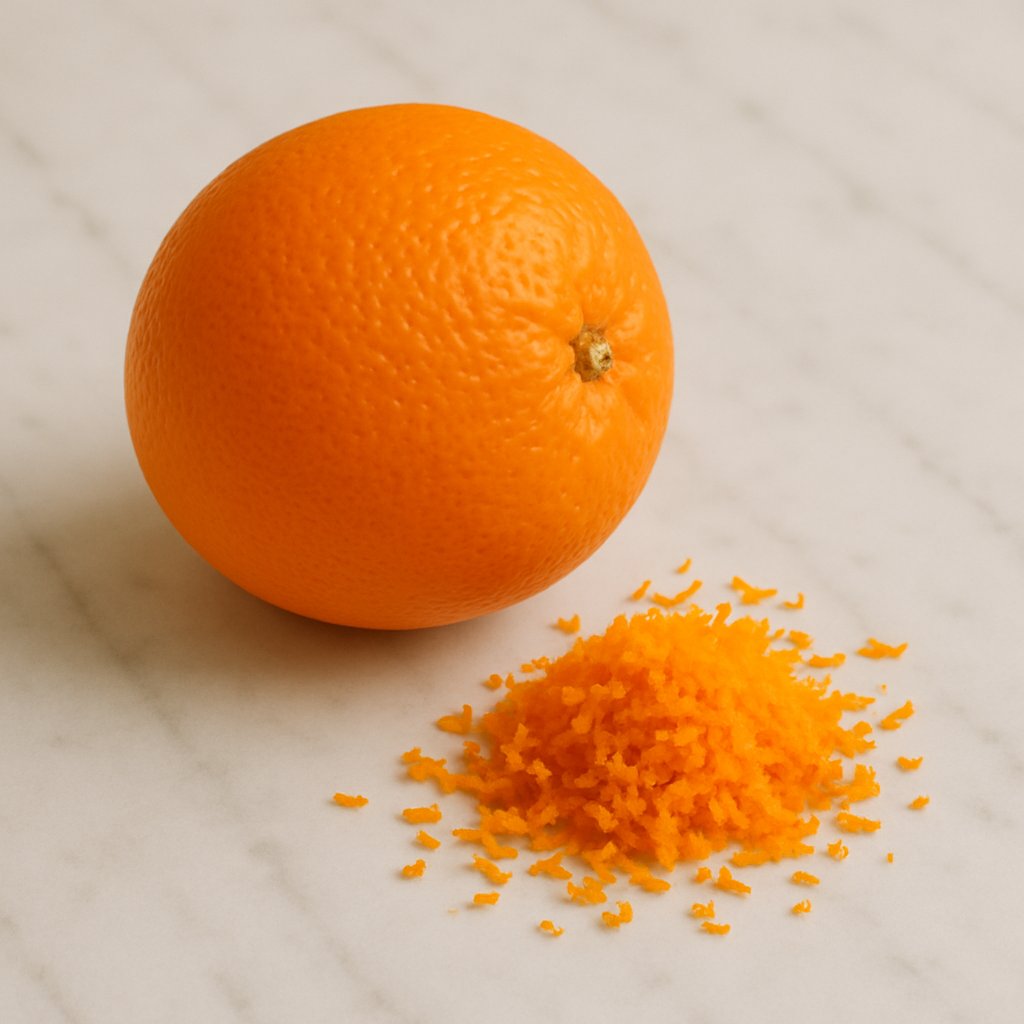
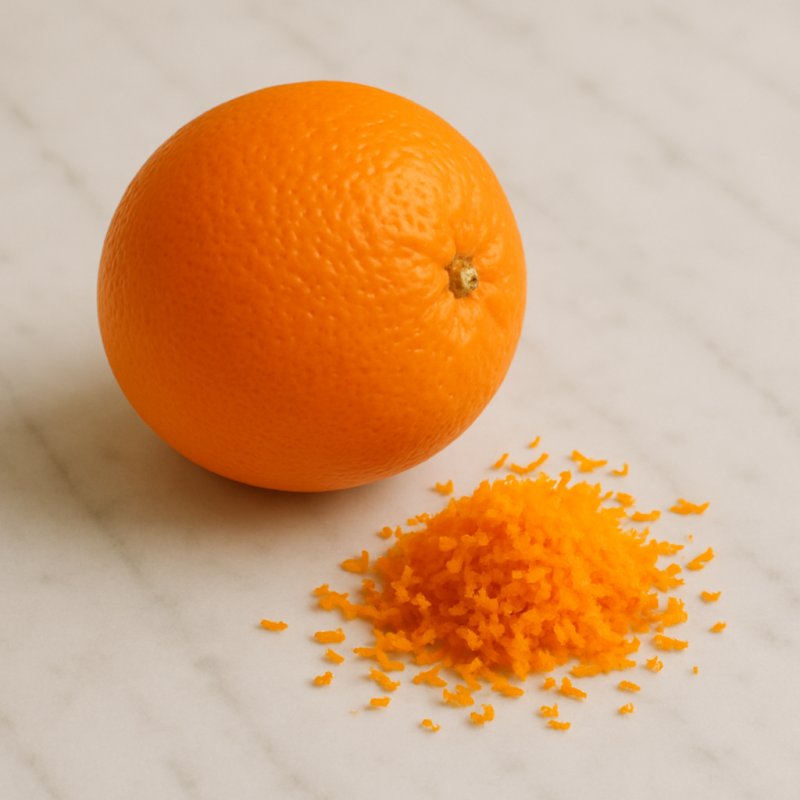
Grated orange peel is the fine, aromatic skin of oranges that is removed with a grater or zester. This ingredient is popular in many recipes because it is very fragrant and a few flakes add a lot of flavor. Here I explain where it comes from, where oranges grow and which variants you can find when buying or making it yourself — so simple that even a 12‑year‑old can understand it well.
Origin and growing regions
Oranges grow on trees in warm areas. Imagine orange trees like little solar stations: they collect warmth and light and store it in sweet fruits. The best-known growing regions are:
Oranges grow on trees in warm areas. Imagine orange trees like little solar stations: they collect warmth and light and store it in sweet fruits. The best-known growing regions are:
- Mediterranean (e.g. Spain, Italy): the climate is mild and sunny there — perfect for many orange types.
- South America (e.g. Brazil): Brazil is very large and has lots of space for orange plantations.
- USA (especially Florida and California): many oranges that end up in supermarkets grow there.
- Asia (e.g. China): many oranges are also grown here, often for the domestic market.
The orange peel you see in shops or at the market usually comes from fruits grown in these regions. Fresh oranges from local growers are often just as good if you can get them nearby.
Available varieties and types
Orange peel can look and smell different — it depends on the orange variety. The main types are:
Orange peel can look and smell different — it depends on the orange variety. The main types are:
- Navel oranges: these oranges are sweet and have a thick peel. Grated peel from navel oranges is very aromatic and suitable for cakes and desserts.
- Blood oranges: their flesh is red. Their peel often has a somewhat fruitier aroma, which pairs well with salads or drinks.
- Sweet oranges (all-purpose varieties): these are the most common in supermarkets. Their peel is versatile and suits almost everything — baked goods, sauces, marinades.
- Bitter oranges (also called “pomerances”): this peel is very aromatic but less sweet. It is often used for marmalades or special beverages.
Freshly grated vs. dried variants
Orange peel is available fresh or dried. Both have advantages and disadvantages:
Orange peel is available fresh or dried. Both have advantages and disadvantages:
- Freshly grated: you grate the peel directly from the orange. The scent is very intense, almost like a “burst of freshness.” Ideal when you want the full flavor. Use organic oranges if possible so there are no pesticides on the peel. If you don't have organic fruit, wash the peel thoroughly.
- Dried: often sold in jars or tins. Dried peel keeps longer and is convenient to store. The scent is not quite as strong as fresh, but still good enough for teas, spice mixes or baking.
Usage tips
A small tip: only the outer colored part of the peel (the so-called “zest”) contains most of the essential oils and the best flavor. The white part underneath (the white is called “mesocarp” or “albedo”) is often bitter, so you should avoid it if possible. When grating, hold the grater at an angle and rub gently to get fine, even strips or shavings.
A small tip: only the outer colored part of the peel (the so-called “zest”) contains most of the essential oils and the best flavor. The white part underneath (the white is called “mesocarp” or “albedo”) is often bitter, so you should avoid it if possible. When grating, hold the grater at an angle and rub gently to get fine, even strips or shavings.
In summary: grated orange peel is easy to obtain — fresh from the market, at the supermarket or dried in a jar. Depending on the orange type the aroma changes a bit, but all variants are useful for cooking, baking and drinks. Freshly grated smells the strongest, dried lasts longer. And if you grate the peel yourself, make sure to use only the colored outer side — then everything tastes best.