Menu & categories

Gorgonzola

Creamy Italian blue cheese made from cow's milk

Wiki about gorgonzola Nutri-Score D Vegan No Gluten-free Yes Lactose-free No Nut-free Yes
NUTRITION / 100 g
330 kcal 19 g Protein 0.5 g Kohlenhydrate 28 g Fett

Introduction

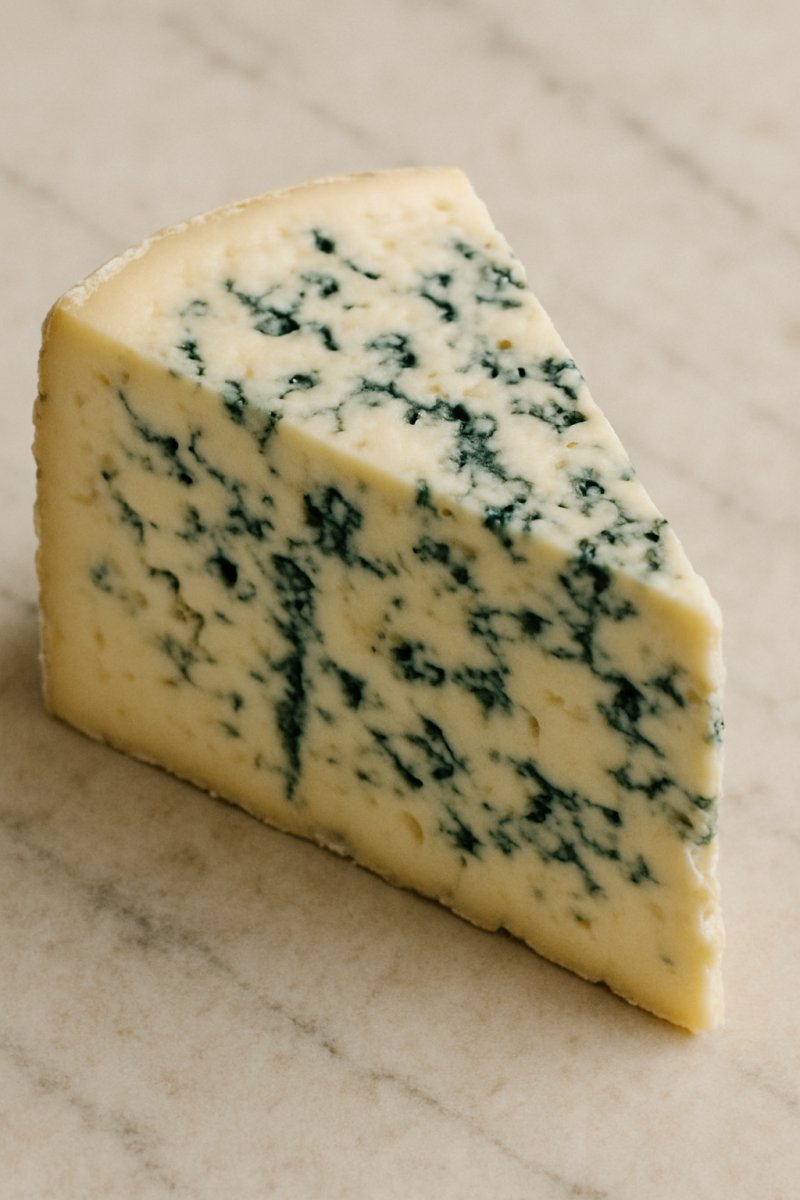
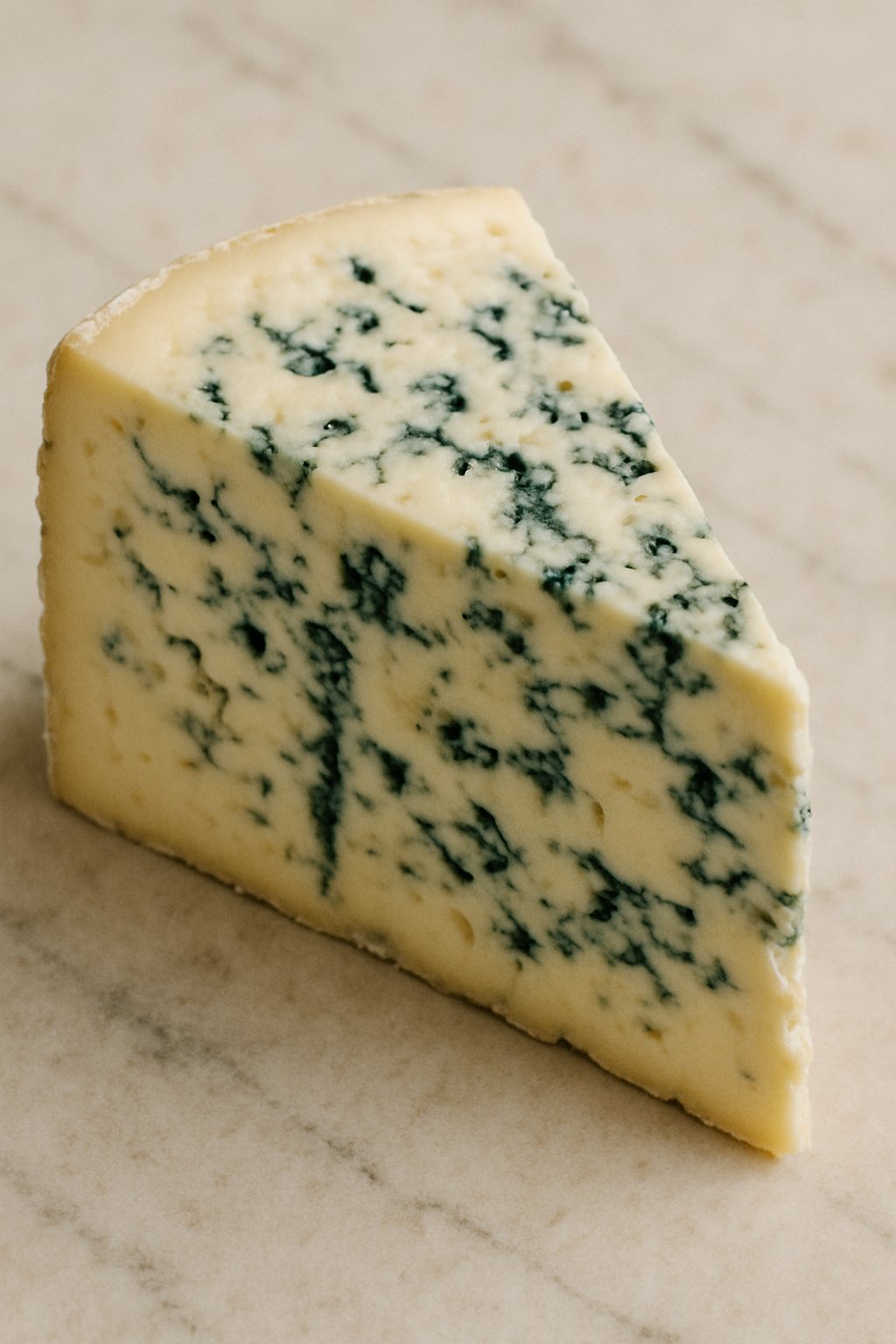
Piece of Gorgonzola cheese with blue-green veins of noble mold
I still remember well the first bite of real Gorgonzola: creamy, flavorful and a little cheeky, as if it had sneaked onto my bread. For me Gorgonzola is an ingredient that sparks conversation. It originally comes from Italy and carries a story of artisanal skill, regional identity and a touch of adventurous spirit. Even its appearance is promising: white to ivory paste streaked with blue-green veins that look visually like paintings on a small canvas.

When I think of the variety of Gorgonzola, I especially appreciate how versatile it is. There are milder varieties that taste soft and creamy, and stronger, more aged versions that present distinctly piquant notes. A colleague of mine swears by using the mild variety on a warm potato gratin, while another friend serves a stronger Gorgonzola with pears, which for her creates the perfect balance of sweetness and spice.

In my kitchen I use Gorgonzola not only on pizza or in risotto. It is a great companion to nuts, honey and dark bread. It also gives wonderful creaminess to sauces without losing its characteristic sharpness. I remember one evening when I spontaneously made gnocchi with a Gorgonzola sauce; the aroma filled the apartment and the guests immediately asked for the recipe.

A few practical tips I learned from my own cooking experiments:

  • Temperature: Gorgonzola unfolds its full aroma when it reaches room temperature before serving.
  • Pairings: it pairs particularly well with pears, figs, walnuts, honey and full-bodied red wines.
  • Storage: wrapped in cling film it stays aromatic in the refrigerator for several days, but I avoid plastic directly on the cut surface to preserve the flavor.
People say Gorgonzola is an ingredient for the brave — in reality it is above all for the adventurous. Whether as a small pleasure on a cheese board or as the centerpiece of a dish, it brings depth and personality to the plate. When leaving a well-laid table I often see a last crumb of Gorgonzola being passed around, bringing satisfied smiles. That, to me, is the true charm of this cheese: it creates connections, tells stories and tastes excellent.

Availability & types

Availability and types of Gorgonzola

Gorgonzola is a popular Italian cheese enjoyed by many for its strong flavor. It originates in Italy, more precisely from the area around Milan in the north of the country. Cheesemakers there have been passing down this recipe for centuries. Today Gorgonzola is produced not only in one town but in various parts of northern Italy – especially in the Piedmont region and Lombardy.

If you look for Gorgonzola in a store, you will find different varieties that differ in shape, flavor and fat content. The best known are:

  • Gorgonzola Dolce – “dolce” means sweet, but that does not mean sugary. It is mild and creamy, almost like a very soft fresh cheese with fine blue veins. Many people, including children, find it easy to eat because it is not very sharp.
  • Gorgonzola Piccante (also called “Naturale” or “Montagna”) – “piccante” means sharp or spicy. This cheese is firmer, somewhat drier and has a stronger, more intense flavor. It sometimes displays larger, darker blue streaks.
  • Gorgonzola Cremoso – as the name suggests, it is particularly creamy. It lies between Dolce and Piccante in taste and is good as a spread or in sauces.
You can imagine the different levels much like chocolate: Gorgonzola Dolce would be like milk chocolate – mild and creamy; Piccante would be like dark chocolate – intense and robust; Cremoso sits somewhere in between.

Gorgonzola is usually made from cow's milk. The cows graze on pastures and their milk is collected and processed. In some cases there are small differences depending on the farm or dairy, because for example the cows' feed or the climate can alter the milk. This is similar to tea or coffee: different regions impart slightly different flavors.

In the shop you will find Gorgonzola in various packagings:

  • as a piece (a large portion cut from the wheel),
  • in sliced portions,
  • as a soft cream or in jars (sometimes mixed with cream),
  • and often as part of cheese platters or prepackaged products.
Gorgonzola is widely available in many European countries because it is popular and often exported. In supermarkets you usually find it in the refrigerated cheese section or at the cheese counter, where it can be cut fresh. If you want to be sure, ask at the cheese counter for “Dolce” for a milder taste or “Piccante” if you prefer something spicier.

For people who do not like strong-flavored cheeses, Gorgonzola Dolce is a good introduction. Those who enjoy strong cheeses will be pleased with Piccante. Because there are different packagings and variants, Gorgonzola is easy to try, buy and use in many recipes – from bread to pasta. This way you can discover which type you like best.
Details & nutrition

Property Value
Unit g
Calories per 100 330
Protein per 100 19
Carbohydrates per 100 0.5
Sugar per 100 0.5
Fat per 100 28
Saturated fat per 100 18
Monounsaturated fat 8
Polyunsaturated fat 1
Fiber per 100 0
Vitamin C (mg) per 100 0
Vitamin D (IU) per 100 40
Calcium (mg) per 100 350
Iron (mg) per 100 0.3
Nutri-Score D
CO₂ footprint 12.0
Origin Italy
Gluten-free Yes
Lactose-free No
Nut-free Yes
Vegan No
Note Gorgonzola is an Italian blue cheese made from cow's milk. It is naturally gluten-free, but contains lactose and is not suitable for people with a milk protein allergy.

Technical & scientific information

Gorgonzola is a traditional Italian blue-veined cheese and one of the best-known raw milk or pasteurized cow's milk cheeses in Europe. Its characteristic blue-green veins are created by the introduction of mold spores, and it has a creamy to crumbly texture and an intense aroma that can range from mild to strong. Gorgonzola is typically formed into cylinders and aged for several weeks to months under controlled temperature and humidity conditions.

Production and microbiological aspects
Production begins with pasteurized cow's milk or, in traditional variants, milk left raw. After acidification by lactic acid bacteria (lactococci and lactobacilli) rennet is added to cause coagulation. After cutting and forming the curd pieces, salting takes place, either by rubbing the rind with salt or by a brine bath. Essential for the development of the blue mold is the addition of spores of Penicillium roqueforti or related strains, which are distributed in the milk or applied to the cheese curd. During aging the wheels are pierced several times with needles to introduce oxygen into the interior; this aerobic area allows the mold to grow and the typical veins to develop.

Physicochemical changes during ripening
The ripening of Gorgonzola is marked by enzymatic processes: proteolysis (protein breakdown) by plasmaproteases, bacterial proteases and fungal enzymes leads to the release of peptides and amino acids, which are essential for flavor and texture. Lipolysis by lipases and esterases releases free fatty acids and esters, which contribute to the typical piquant and buttery notes. The pH usually rises moderately as proteolytic activities release ammonia and basic compounds. This promotes softness in the interior of the wheel while the rind remains firmer.

Chemical composition and nutritional values
Gorgonzola is an energy-dense food with high fat and protein content. Typical nutritional values per 100 g are approximately: energy 350–420 kcal, fat 28–36 g (of which saturated fatty acids are significant), protein 18–22 g and carbohydrates very low (<1–3 g, mainly lactose). Water content varies by type from about 35–55 %. Minerals such as calcium (approx. 600–900 mg/100 g) and phosphorus, as well as fat-soluble vitamins (A, D, E), are present in relevant amounts. Sodium content is moderate to high due to salting and should be considered in low-sodium diets.

Sensory properties and types
Gorgonzola is often divided into two main types: Gorgonzola Dolce, a mild, creamy cheese with a short aging period and a soft, spreadable consistency, and Gorgonzola Piccante (also Gorgonzola Naturale), which is aged longer, develops a firmer texture and more intense, sharper flavors. Sensory notes are dominated by spicy, earthy, nutty and umami-like characteristics resulting from the combination of proteolysis, lipolysis and microbiological activities.

Health aspects
From a nutritional perspective Gorgonzola provides high-quality animal proteins, calcium and fat-soluble vitamins. At the same time, its high fat and salt content should be taken into account, especially with cardiovascular risk factors. People with lactose intolerance often tolerate aged cheeses better because lactose is largely broken down during ripening. Those allergic to molds or individuals with weakened immune systems should avoid aged blue cheeses, as live molds or fungal metabolites may pose theoretical risks. Pregnant women are often advised to avoid unpasteurized soft cheeses; pasteurized Gorgonzola generally presents a lower Listeria risk, but caution is still recommended.

Storage and use
Gorgonzola should be stored refrigerated at about 4–8 °C in a tight package to minimize aroma loss and drying out. In the kitchen Gorgonzola is used in many ways: plain on bread, in sauces, risottos, as a topping for pizza and salads or to enrich meat dishes. The creamy structure of the dolce types is particularly suitable for sauces, while the spicier type enhances more robust dishes.

Overall, Gorgonzola is a technically complex product whose character results from microbiological and enzymatic processes. Its nutrient density makes it a valued but also energy-rich food, and its consumption should be considered within nutritional considerations.

Wiki entry for: gorgonzola
Active now: 20 visitors of which 2 logged-in members in the last 5 minutes