Availability and types of gooseberries
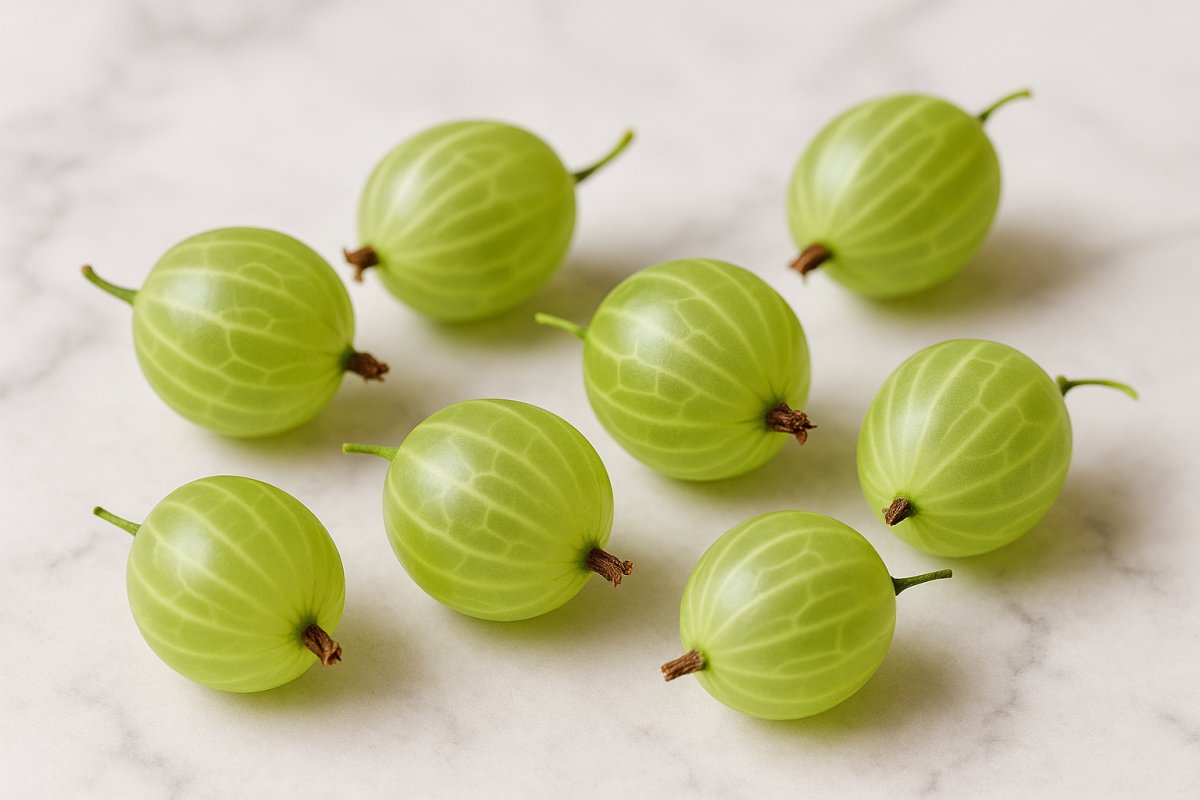
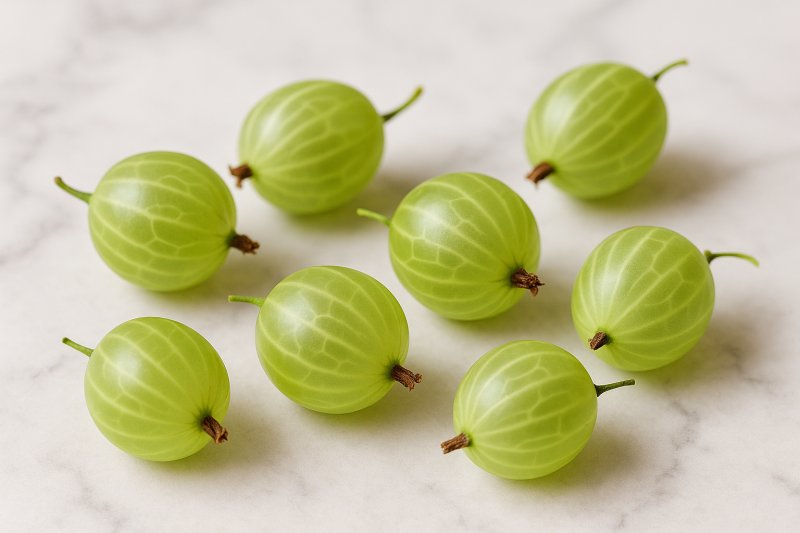
Gooseberries are small fruits originally from Europe and parts of Asia. Their taste can be compared to something between a tart grape and a currant. They grow on bushes and prefer cooler climates, so they are particularly common in countries such as Germany, the United Kingdom, Scandinavia, Russia and parts of North America. They are rarer in warm countries.
Season and availability
Fresh gooseberries are mostly available in summer – in Central Europe the main harvest period is roughly between June and August. The exact timing depends on the weather: with a warm spring they ripen earlier, with cool weather somewhat later. Out of season you can often buy gooseberries as frozen fruit, jam, preserves or dried. Frozen ones retain much of their flavor and are convenient when you want to make cakes or sauces in winter.
Fresh gooseberries are mostly available in summer – in Central Europe the main harvest period is roughly between June and August. The exact timing depends on the weather: with a warm spring they ripen earlier, with cool weather somewhat later. Out of season you can often buy gooseberries as frozen fruit, jam, preserves or dried. Frozen ones retain much of their flavor and are convenient when you want to make cakes or sauces in winter.
Important growing regions
- Central Europe: many home gardeners and farmers grow gooseberries – therefore they are easy to find in supermarkets and markets.
- United Kingdom: there is a long tradition of gooseberry cultivation here; some varieties originate from England.
- Scandinavia and Russia: well suited because of the cool climate.
- North America and New Zealand: in certain regions they are also grown, often for the freezing or processing market.
Varieties and types
There are many different varieties of gooseberries. They can be distinguished by color, taste and whether the bush has thorns:
There are many different varieties of gooseberries. They can be distinguished by color, taste and whether the bush has thorns:
- Colors:
- Green gooseberries: often somewhat more tart, especially if not fully ripe.
-
- Red gooseberries: usually become sweeter when ripe and are often more popular with children.
-
- Yellow/white varieties: more delicate in taste and attractive to look at because they are lighter.
- Flavor types: some are very sour (good for sauces and pies), others are milder and almost sweet.
- Thorny or thornless: historically most gooseberry bushes had many thorns that pricked when harvesting. Today there are also thornless varieties that make picking easier.
- Special variants:
- Hybrids like Jostaberry: this is a cross between a gooseberry and blackcurrant. It tastes like a mix of both fruits.
-
- Cultivars with names: many varieties have their own names (for example 'Invicta' or 'Hinnonmäki'), which denote different breeding lines with certain traits like size or sweetness.
Shopping tip: If you are looking for fresh gooseberries, look for firm fruits without blemishes. Red or yellow varieties are often sweeter, green ones more tart. Frozen gooseberries are practical when fresh produce is out of season.
In summary: gooseberries grow mainly in cooler regions of Europe and the North, are available fresh in summer and year-round as frozen or preserved goods. There are many varieties in different colors and flavor profiles, from very tart to almost sweet — and there are both thorny and thornless bushes, so there is something for every taste and harvesting preference.