Availability and types
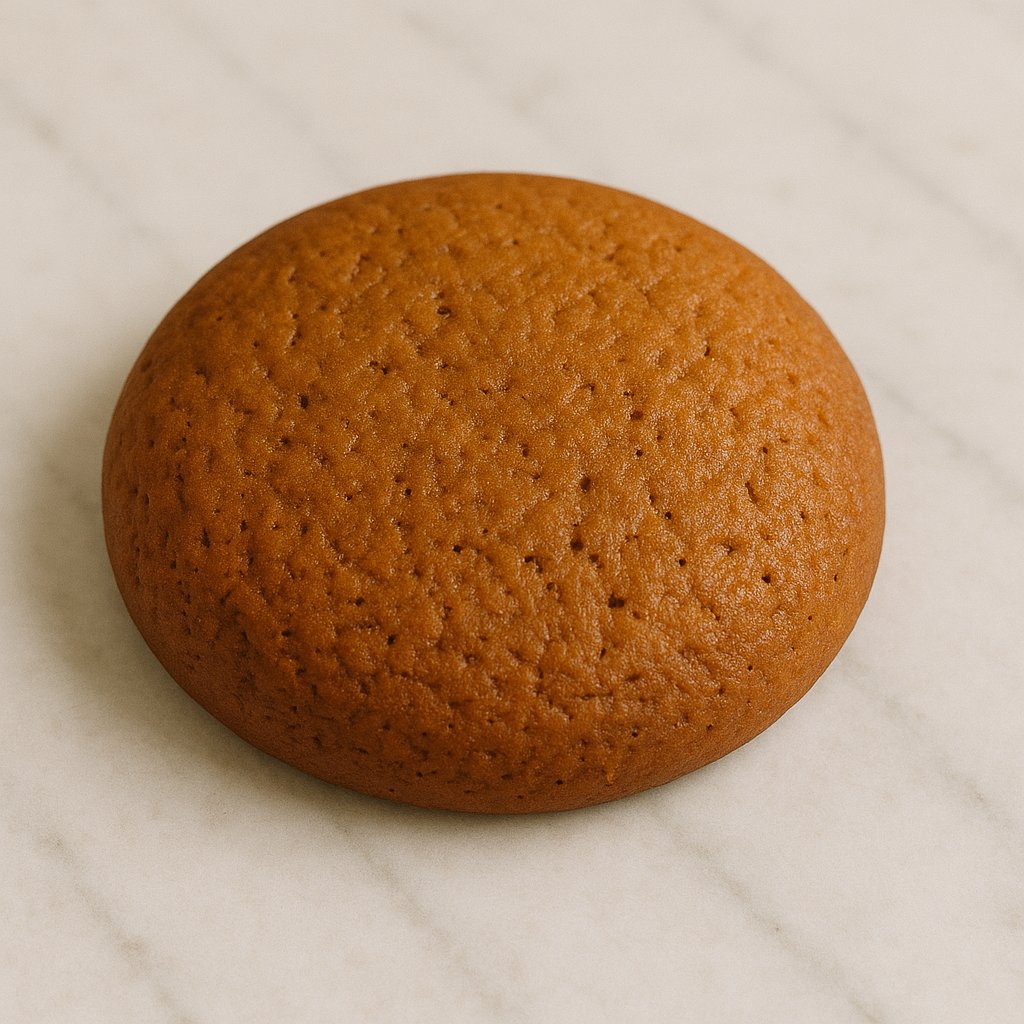
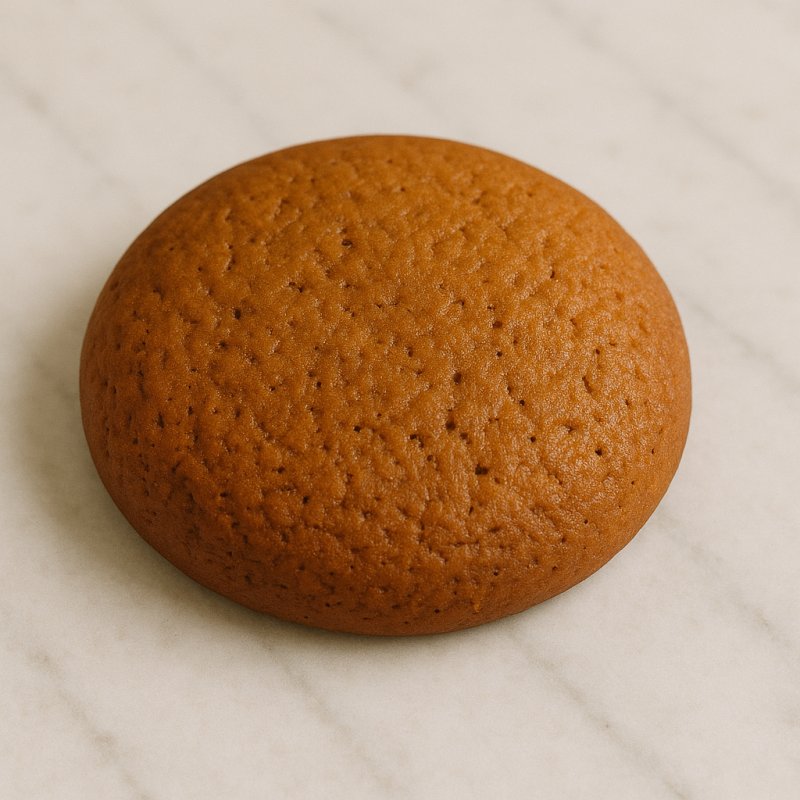
When you think of gingerbread, you often imagine the colorful hearts and cat heads of the Christmas season. But gingerbread is not just a single pastry; it is an entire family of recipes and shapes available in many places. Simply put: gingerbread can be found in supermarkets, at Christmas markets, in bakeries and sometimes all year round — depending on which variety you are looking for.
Where does gingerbread come from?
Gingerbread has its roots in Europe, especially in Germany. Cities like Nuremberg are very well known for it; there are even specific rules there about how genuine "Nürnberger Lebkuchen" may be produced. Originally such spiced cookies were baked many hundreds of years ago. They used to serve not only as a sweet treat but also as a gift or something shared at special celebrations.
Gingerbread has its roots in Europe, especially in Germany. Cities like Nuremberg are very well known for it; there are even specific rules there about how genuine "Nürnberger Lebkuchen" may be produced. Originally such spiced cookies were baked many hundreds of years ago. They used to serve not only as a sweet treat but also as a gift or something shared at special celebrations.
Growing regions of the ingredients
Gingerbread itself doesn't grow in fields, since it is a baked product. But many ingredients come from different regions:
Gingerbread itself doesn't grow in fields, since it is a baked product. But many ingredients come from different regions:
- Spices such as cinnamon, cloves, anise and cardamom often come from warmer countries like Sri Lanka, India or Indonesia. These places are like spice farms where the plants thrive.
- Nuts such as almonds or hazelnuts are grown in Europe, North Africa or the Mediterranean region. Nuts often give gingerbread a nutty flavor and a firm texture.
- Honey comes from bees, which forage worldwide; in Germany and other countries bees collect nectar that becomes the delicious honey that sweetens and moistens gingerbread.
- Flour is made from cereals like wheat and is grown in fields in many European countries.
What varieties and variations exist?
Gingerbread comes in many shapes, flavors and degrees of hardness. Here are some easy-to-understand examples:
Gingerbread comes in many shapes, flavors and degrees of hardness. Here are some easy-to-understand examples:
- Soft gingerbread: These are moist and almost cake-like. They often contain a lot of honey and spices. They are good for dipping into a cup of hot cocoa.
- Hard gingerbread: These are crunchy and last longer. At Christmas markets you often see larger, decorated pieces that can be hung on strings.
- Spiced gingerbread: In these, the flavor of the spices is central — cinnamon, cloves and nutmeg, for example. They smell very Christmassy.
- Chocolate-coated gingerbread: Some gingerbreads are coated with dark or milk chocolate. This makes them even sweeter and more chocolatey.
- Gingerbread with nuts or almonds: These contain pieces of nuts in the dough or on top — making them somewhat more savory.
- Regional specialties: In different towns there are local types, for example the famous Nürnberger Lebkuchen or Elisenlebkuchen, which contain particularly many nuts and less flour. Such specialties sometimes have special rules so they may bear the name.
When is gingerbread easiest to find?
The peak time is clearly the Advent and Christmas season: then you'll find the widest selection at markets, bakeries and supermarkets. But some varieties, especially packaged ones or very popular brands, are often available year-round. If you're looking for something truly special, it's worth visiting a specialty bakery or a regional market.
The peak time is clearly the Advent and Christmas season: then you'll find the widest selection at markets, bakeries and supermarkets. But some varieties, especially packaged ones or very popular brands, are often available year-round. If you're looking for something truly special, it's worth visiting a specialty bakery or a regional market.
In summary: gingerbread is a versatile treat with roots in Europe, made from ingredients sourced from various growing regions. There are soft and hard variants, with or without chocolate, with nuts or many spices. The selection is largest at Christmastime, but some types are available all year round.