Menu & categories

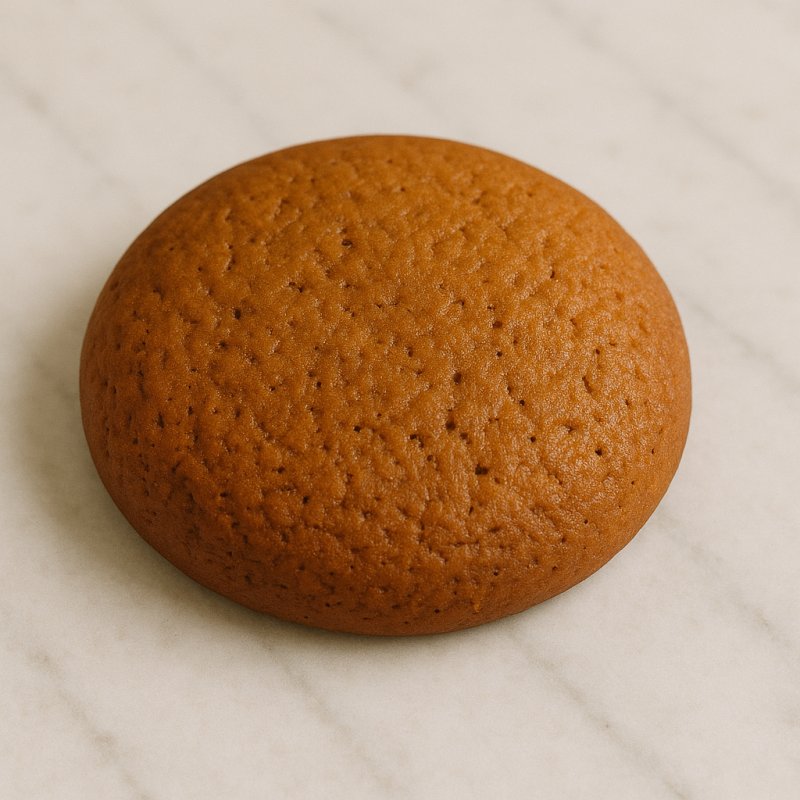
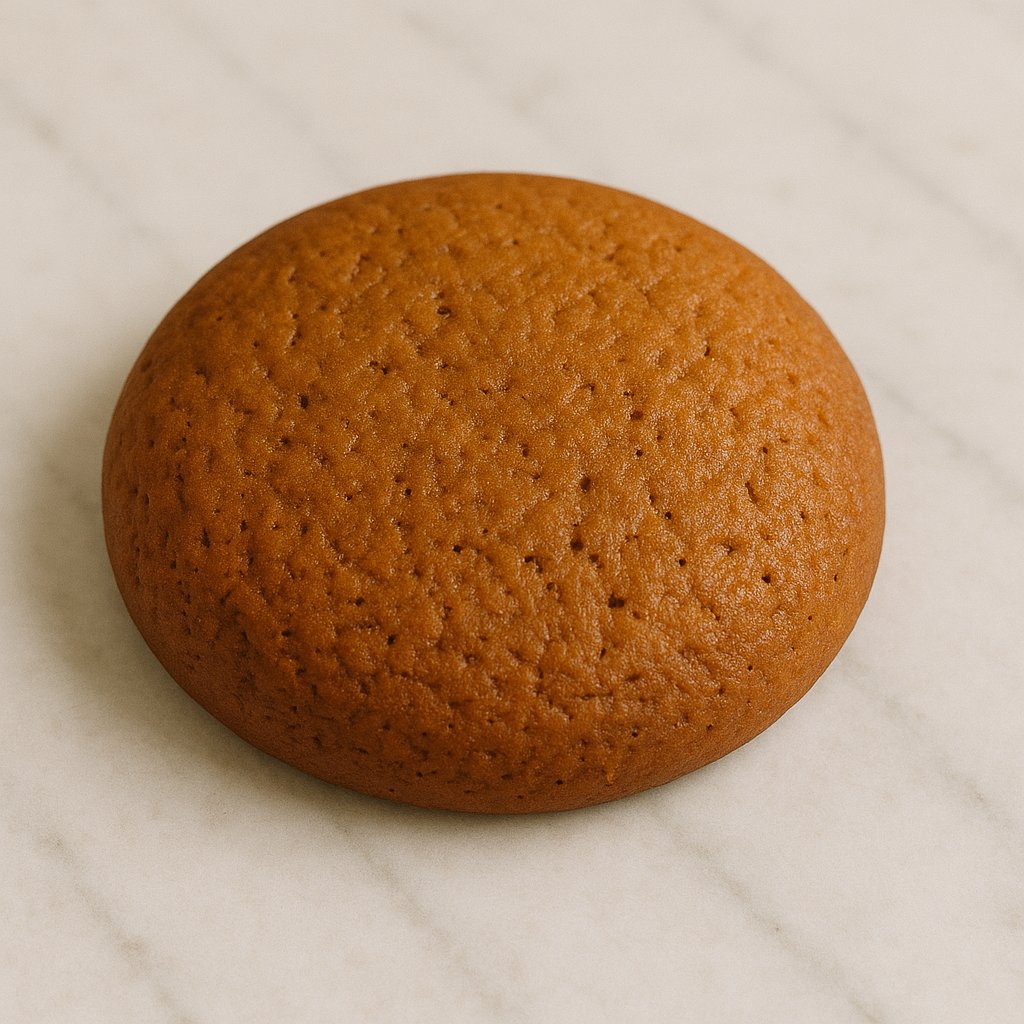
Gingerbread (Lebkuchen)

Traditional Christmas pastry with spices and nuts

Wiki about gingerbread cookie Nutri-Score D Vegan No Gluten-free No Lactose-free No Nut-free No
NUTRITION / 100 g
380 kcal 7 g Protein 63 g Kohlenhydrate 9 g Fett

Introduction

Several Lebkuchen on a plate
When I think of gingerbread, that warm scent immediately rises in me: a mixture of cinnamon, cloves, nutmeg and honey that even on gray winter days turns the room into a little Christmas market. I still remember how I consciously tasted a piece for the first time after a neighbor had handed me a hand-painted heart shape over the garden fence. It wasn't a perfect pastry, rather rustic and a bit overbaked, but the spices were so intense that I immediately knew: this is a classic that connects generations.

For me, gingerbread is more than just a pastry; it is a chameleon of baking. There are the soft varieties that almost melt when bitten into, and the crunchy wafer gingerbreads whose edges provide pleasant contrasts when chewing. One winter weekend I once tried to reconstruct the ideal consistency after a friend told me about an old family recipe. The experiment ended in a considerable cloud of flour, but in the end we sat with hot drinks and laughed about the crooked shapes — and they tasted excellent anyway.

What defines the taste are the ingredients and their proportions. In recipes I often come across the following core components:

  • Flour or gingerbread spice flours
  • Honey or syrup as a binder and flavoring
  • Spices such as cinnamon, cardamom, cloves and nutmeg
  • Nuts, almonds or sometimes candied fruit
I also appreciate the cultural diversity of this pastry. During a city trip I came across a small bakery that offered a modern variant with dark chocolate and sea salt instead of classic wafers. My colleague, who actually didn't like sweets, was surprised how well the combination worked. Such discoveries show that gingerbread builds on traditional roots while leaving room for creativity.

To me, gingerbread belongs to the season like lanterns to an autumn walk. It tells stories: of craftsmanship, family, of regional recipes that are handed down. And when I think of the smell that escapes when opening a cookie tin, I know that a small moment of warmth and togetherness is beginning.

Availability & types

Availability and types

When you think of gingerbread, you often imagine the colorful hearts and cat heads of the Christmas season. But gingerbread is not just a single pastry; it is an entire family of recipes and shapes available in many places. Simply put: gingerbread can be found in supermarkets, at Christmas markets, in bakeries and sometimes all year round — depending on which variety you are looking for.

Where does gingerbread come from?
Gingerbread has its roots in Europe, especially in Germany. Cities like Nuremberg are very well known for it; there are even specific rules there about how genuine "Nürnberger Lebkuchen" may be produced. Originally such spiced cookies were baked many hundreds of years ago. They used to serve not only as a sweet treat but also as a gift or something shared at special celebrations.

Growing regions of the ingredients
Gingerbread itself doesn't grow in fields, since it is a baked product. But many ingredients come from different regions:

  • Spices such as cinnamon, cloves, anise and cardamom often come from warmer countries like Sri Lanka, India or Indonesia. These places are like spice farms where the plants thrive.
  • Nuts such as almonds or hazelnuts are grown in Europe, North Africa or the Mediterranean region. Nuts often give gingerbread a nutty flavor and a firm texture.
  • Honey comes from bees, which forage worldwide; in Germany and other countries bees collect nectar that becomes the delicious honey that sweetens and moistens gingerbread.
  • Flour is made from cereals like wheat and is grown in fields in many European countries.
What varieties and variations exist?
Gingerbread comes in many shapes, flavors and degrees of hardness. Here are some easy-to-understand examples:

  • Soft gingerbread: These are moist and almost cake-like. They often contain a lot of honey and spices. They are good for dipping into a cup of hot cocoa.
  • Hard gingerbread: These are crunchy and last longer. At Christmas markets you often see larger, decorated pieces that can be hung on strings.
  • Spiced gingerbread: In these, the flavor of the spices is central — cinnamon, cloves and nutmeg, for example. They smell very Christmassy.
  • Chocolate-coated gingerbread: Some gingerbreads are coated with dark or milk chocolate. This makes them even sweeter and more chocolatey.
  • Gingerbread with nuts or almonds: These contain pieces of nuts in the dough or on top — making them somewhat more savory.
  • Regional specialties: In different towns there are local types, for example the famous Nürnberger Lebkuchen or Elisenlebkuchen, which contain particularly many nuts and less flour. Such specialties sometimes have special rules so they may bear the name.
When is gingerbread easiest to find?
The peak time is clearly the Advent and Christmas season: then you'll find the widest selection at markets, bakeries and supermarkets. But some varieties, especially packaged ones or very popular brands, are often available year-round. If you're looking for something truly special, it's worth visiting a specialty bakery or a regional market.

In summary: gingerbread is a versatile treat with roots in Europe, made from ingredients sourced from various growing regions. There are soft and hard variants, with or without chocolate, with nuts or many spices. The selection is largest at Christmastime, but some types are available all year round.
Details & nutrition

Property Value
Unit g
Average weight per piece 30
Calories per 100 380
Protein per 100 7
Carbohydrates per 100 63
Sugar per 100 37
Fat per 100 9
Saturated fat per 100 2.5
Monounsaturated fat 3
Polyunsaturated fat 3.5
Fiber per 100 3
Vitamin C (mg) per 100 0
Vitamin D (IU) per 100 0
Calcium (mg) per 100 60
Iron (mg) per 100 2.5
Nutri-Score D
CO₂ footprint 2.5
Origin Europe
Gluten-free No
Lactose-free No
Nut-free No
Vegan No
Note Lebkuchen are a spiced pastry, often made with nuts, almonds, honey or syrup and sometimes chocolate or icing. Exact nutritional values and allergens may vary depending on the recipe and manufacturer.

Technical & scientific information

Gingerbread refers both to a traditional baked product and to the ingredient mixes used to make it, which typically consist of flour, sugar or honey, eggs, fats, various spices and often nuts or almonds. Chemically, gingerbread is a complex, heterogeneous food matrix system in which carbohydrates, proteins, lipids, water and secondary plant compounds are present in different aggregation states and interactions.

Composition and constituents
The basic components of a classic gingerbread dough are:

  • Carbohydrates: mainly from flour (starch) and sugar or honey. Starch provides the matrix structure after gelatinization and retrogradation; sugar contributes to glass formation, sweetness and water binding.
  • Proteins: mainly from flour (gluten) and eggs. Proteins influence dough viscosity, gel formation during baking and the Maillard reaction, which produces color and flavor compounds.
  • Fats: butter or vegetable fats provide lipid phases that make the texture soft or tender, influence crumb moisture and carry flavors. Fats partially emulsify with proteins and water.
  • Nuts and almonds: supply mono- and polyunsaturated fatty acids, proteins, fiber and micronutrients such as vitamin E and minerals (e.g. magnesium, potassium).
  • Spices and secondary plant compounds: typical spices include cinnamon, cloves, nutmeg, cardamom and allspice. These contain essential oils and phenolic compounds with antioxidant and aromatic effects.
  • Leavening agents: bicarbonate, baking powder or baker's ammonia (ammonium carbonate) generate CO2 or reactions that affect volume, pore structure and texture.
Nutrition values
The nutrient density of gingerbread varies by recipe; typically 100 g of commercial formulations provide between 350–500 kcal. Energy comes mainly from carbohydrates and fats. Protein content is moderate (depending on nut content), fiber is present through wholegrain flours and nuts, and micronutrient amounts depend on ingredients like nuts, honey and spices.

Processing methods
Production includes mixing dry and wet components, optionally kneading or stirring to homogenize, shaping or cutting and subsequent baking. Thermal processes lead to several important chemical and physical changes:

  • Starch gelatinization and retrogradation: on heating starch swells, cross-links and forms firm structures after cooling.
  • Maillard reaction: between reducing sugars and amino groups of proteins, brown pigments (melanoidins) and a complex aroma profile are formed. Temperature, humidity and pH modulate these reactions.
  • Caramelization: sugar decomposes above certain temperatures and contributes to color and toasted aromas.
  • Gas formation by leavening agents: CO2 development influences volume and porosity.
Health aspects
Gingerbread is an energy-dense food high in sugar and fat; excessive consumption can lead to increased energy intake and, over time, weight gain. However, nuts and spices can provide beneficial nutrients and secondary plant compounds. For people with allergies, gluten, eggs and tree nuts are particularly relevant. Also, honey can contain Clostridium botulinum spores, so caution is advised for infants under one year. Spices contain bioactive compounds with antioxidant properties, but their concentration in a typical serving is often limited.

Sensory properties and storage
Texture, moisture content and aromas change during storage due to variations in water activity, starch retrogradation and lipid processes such as oxidation. Suitable packaging (barrier films, controlled humidity) and cool or dry storage can extend shelf life and sensory quality. Antioxidants from spices and nuts can delay rancidity.

In summary, gingerbread is a chemically and physically versatile baked product whose properties are largely determined by composition, thermal processing and storage conditions. The balance between nutritional drawbacks due to sugar and fat and positive nutrient contributions from nuts and spices depends on the exact recipe, which explains the diversity of traditional and industrial variants.
Wiki entry for: gingerbread cookie
Active now: 12 visitors of which 2 logged-in members in the last 5 minutes