Availability and types of ginger
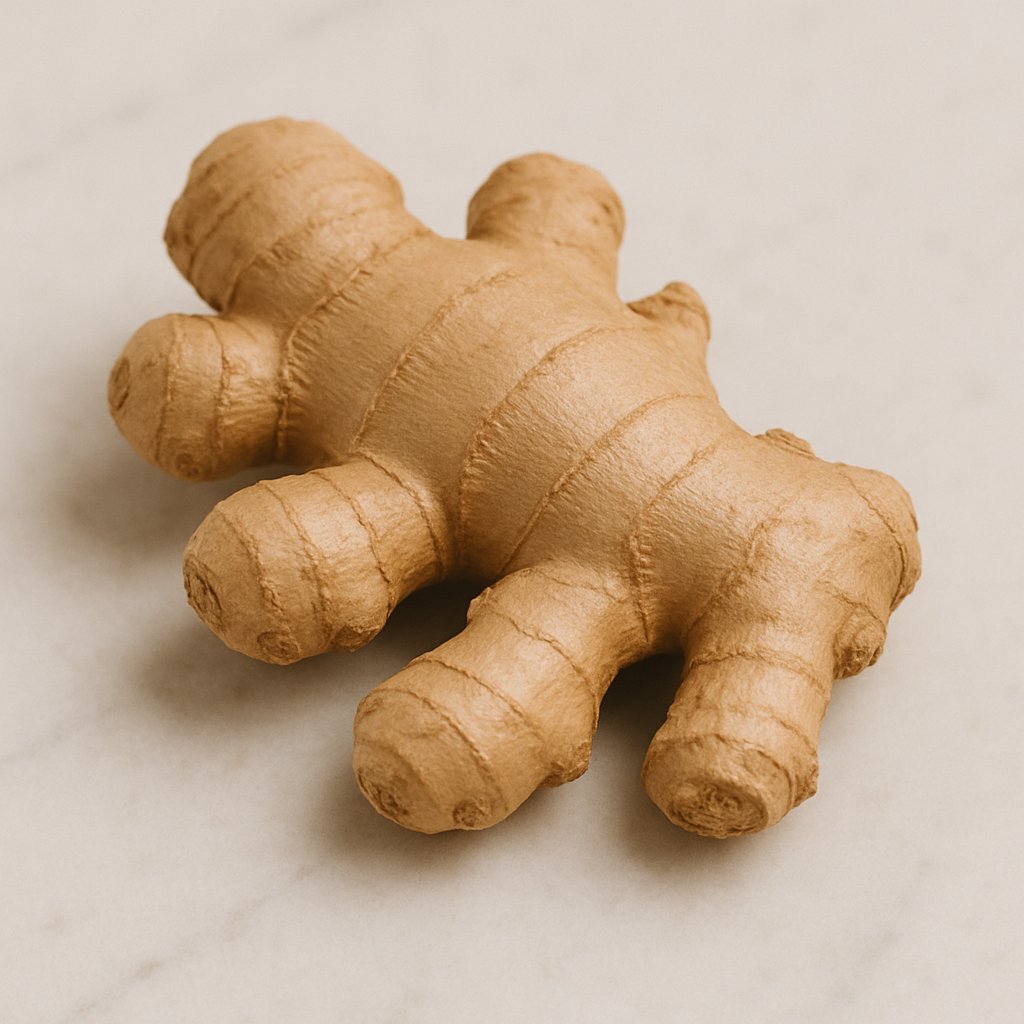
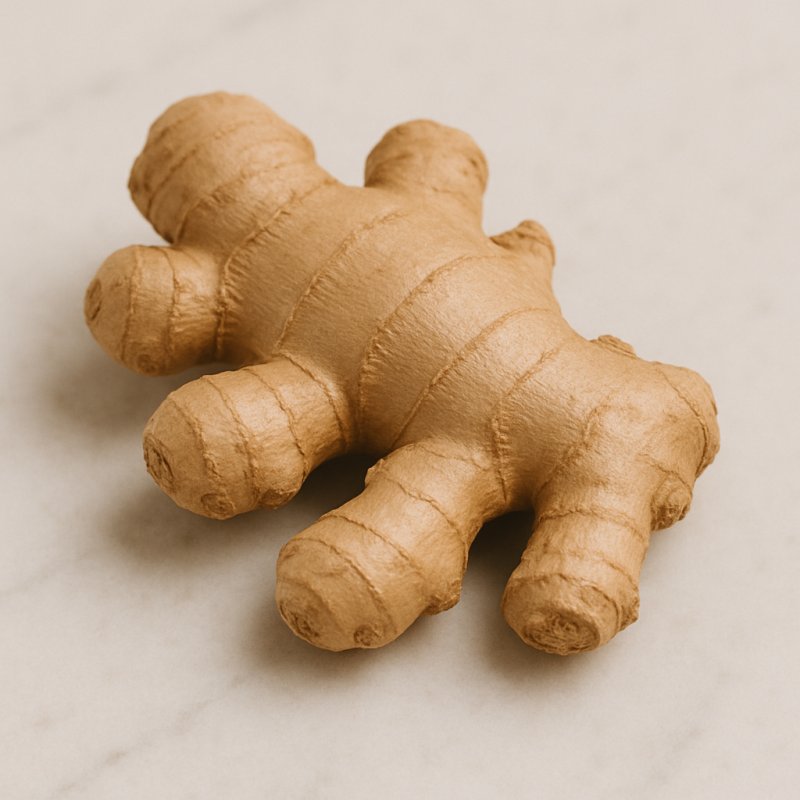
Ginger is a root that can be found in many supermarkets, markets and health-food stores. You can buy it fresh, dried, powdered or pickled. Fresh ginger looks like a knobbly piece of plant, often beige-brown on the outside and yellowish inside. When you look for it in the store, you usually get small pieces that can simply be cut off. Dried ginger lasts longer and comes as pieces, powder or slices in jars or bags. Pickled ginger, as often seen with sushi, comes in thin pink or white slices and tastes sweet-and-sour.
Origin and cultivation areas
Ginger originally comes from Southeast Asia. Today it is grown in many warm countries because it prefers heat, rain and moist soils. The largest growing regions are
Ginger originally comes from Southeast Asia. Today it is grown in many warm countries because it prefers heat, rain and moist soils. The largest growing regions are
- China – one of the largest producing countries and also a major exporter of fresh and dried ginger.
- India – ginger is grown here for fresh use and as a spice.
- Thailand and Vietnam – known for special varieties often used in Southeast Asian kitchens.
- Jamaica – known for very aromatic ginger, often used in drinks and sweets.
- African countries such as Nigeria and Ethiopia – ginger is increasingly cultivated there as well, especially for the local market.
Available varieties and variants
There is not just one kind of ginger. You can discover different varieties that differ in taste, size and skin. Some typical variants are:
There is not just one kind of ginger. You can discover different varieties that differ in taste, size and skin. Some typical variants are:
- Fresh ginger – the knobbly root you find in the supermarket. It is juicy and has a sharp-spicy aroma.
- Jamaican ginger – often peeled a bit thinner, but very aromatic and hot. Some people say it tastes particularly "fiery".
- Japanese ginger (Sakura-Gari) – usually cut thinner and pickled, which is why it is pink; it is served as an accompaniment to sushi.
- Yellow/Chinese ginger – commonly grown in China, it has a smoother skin and a strong aroma.
- Young ginger – very fresh, tender roots with a lighter, thinner skin. It is less fibrous and milder in taste, good for cooking or eating raw.
- Dried or powdered ginger – keeps for a long time and is suitable for baked goods, spice blends or seasoning when fresh ginger is not available.
- Pickled ginger – thin slices in vinegar and sugar; it is soft, sweet-and-sour and eaten as an accompaniment.
How to choose ginger
When you buy fresh ginger, look for pieces that are firm and heavy in the hand. Avoid those that look soft or shriveled — that means they are old. Young ginger roots have a thinner skin and are easier to peel or can even be scraped with a spoon. For powder: the finer and more intense the aroma, the better.
When you buy fresh ginger, look for pieces that are firm and heavy in the hand. Avoid those that look soft or shriveled — that means they are old. Young ginger roots have a thinner skin and are easier to peel or can even be scraped with a spoon. For powder: the finer and more intense the aroma, the better.
Example of use
Think of ginger as a small pot of spicy seasoning: freshly grated it fits wonderfully in tea or curries, dried it goes into cookies or gingerbread, and pickled it is the fresh side dish for sushi. That way you can always choose the appropriate variant depending on the variety and form.
Think of ginger as a small pot of spicy seasoning: freshly grated it fits wonderfully in tea or curries, dried it goes into cookies or gingerbread, and pickled it is the fresh side dish for sushi. That way you can always choose the appropriate variant depending on the variety and form.
Overall, ginger is therefore easy to find and available in many variants – fresh, dried, ground or pickled – and grows mainly in warm, humid countries like China, India, Thailand and Jamaica. Each variant has its own taste and use, so you can choose the right option depending on the recipe or preference.