Availability and types
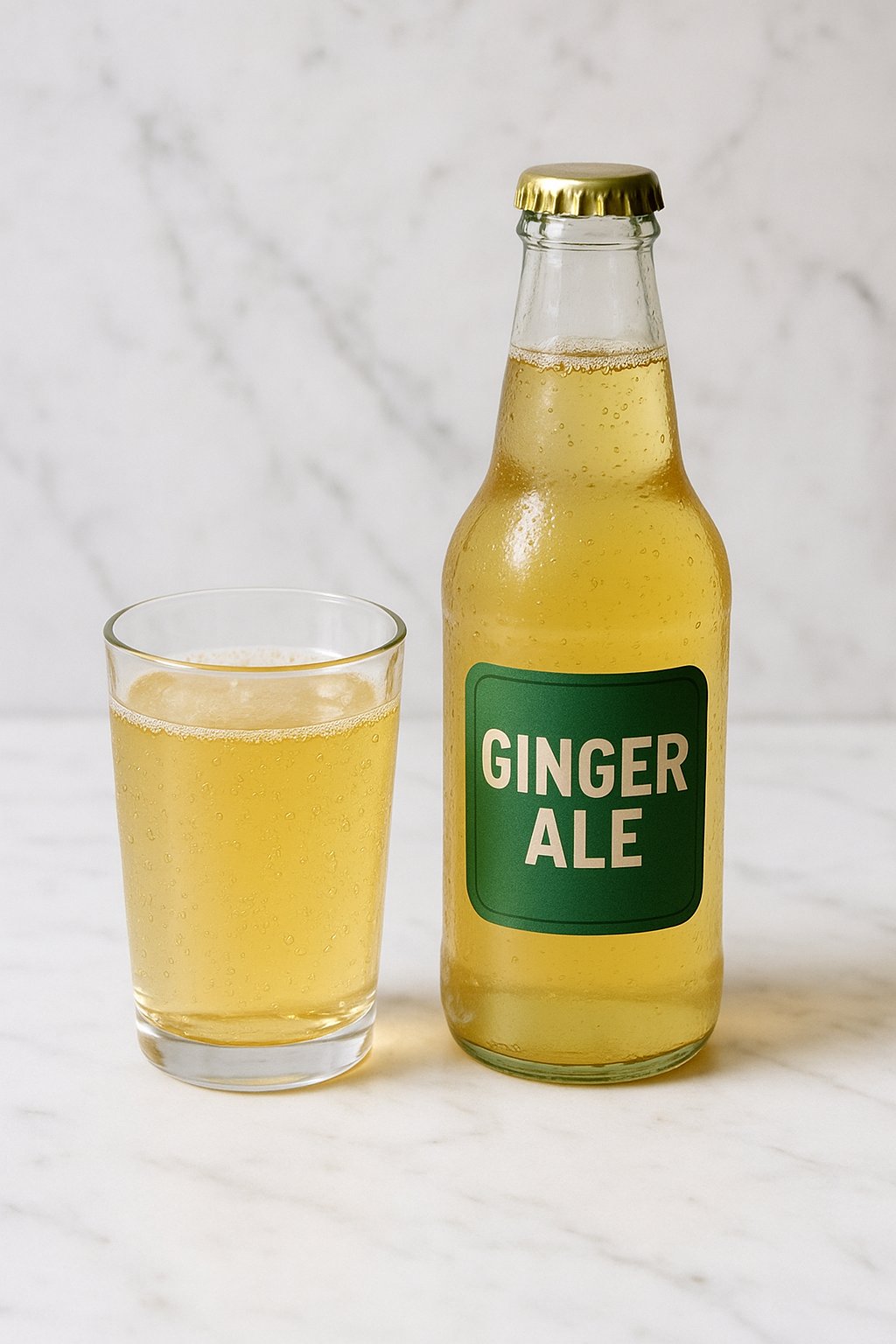
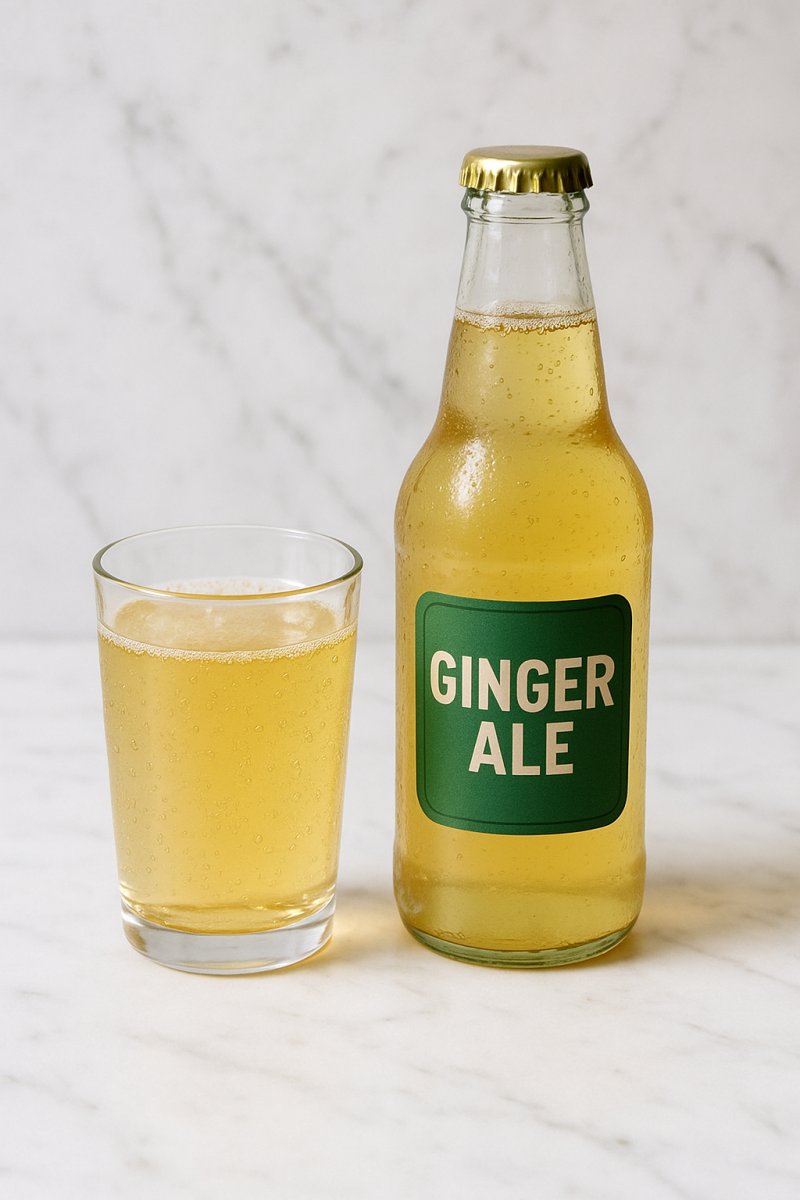
Ginger Ale is a fizzy ginger-flavored beverage that can be bought almost anywhere. It was originally made in the 19th century as a kind of medicine or restorative drink against stomach aches and nausea. Over time people made it sweeter and more refreshing, so today it is consumed like a soft drink. You can find Ginger Ale year-round in supermarkets, kiosks, cafés, bars and online – so it is very accessible, similar to cola or orange soda.
Production is easy to explain: you take water with carbonation (the small bubbles that make the drink fizzy), add sugar or sweetener, ginger flavor (this can be real ginger juice or a concentrated flavor) and sometimes a bit of lemon. Some varieties use real ginger, others rely more on flavorings or concentrates. A concentrate is a strong liquid with a lot of flavor that is then mixed with water – like syrup for lemonade.
Ginger Ale is available in various packages:
- Glass bottles – often for the flavor enthusiast.
- Cans – convenient to take away or for parties.
- Plastic bottles – in many sizes, including very large ones for home use.
- Dispensing systems or syrup dispensers in bars/cafés – where the drink is mixed fresh.
There are several important types and variants of Ginger Ale. Here are the main ones, explained simply:
- Regular (sweet) Ginger Ale: This is the most common type, tastes mildly of ginger and is often nicely fizzy. Perfect when you want something refreshing.
- “Dry” or “pale” Ginger Ale: This variant is less sweet and has a lighter ginger flavor. You can compare it to a dry apple juice: less sugar, more subtle flavor.
- Diet or Zero variants: Here sugar is replaced by low-calorie sweeteners so the drink has almost no calories. It tastes similar but is intended for people watching their sugar intake.
- Ginger Beer: Although the name sounds similar, Ginger Beer is bolder and often a bit sharper in ginger flavor. Some varieties are slightly cloudy (not completely clear) because they use real ginger. Some Ginger Beers can even contain alcohol, but that is not the norm.
- Handmade or “craft” varieties: Small producers use real ginger and less sugar. These versions often taste more intense and “authentic”, almost like freshly pressed juice with bubbles.
- Mixed or flavored: Some producers mix ginger with lemon, lime or exotic fruits. It’s like a combo of two favorite drinks.
- Alcoholic variants or mixed drinks: There are also beverages that combine Ginger Ale or Ginger Beer with alcohol – these are usually sold in bars or in special bottles and are not for children.
Overall Ginger Ale is very versatile: there are mild, sweet varieties for children and adults, craft versions with real ginger for those who prefer something more natural, and sugar-free versions for diet-conscious consumers. You can drink it as a refreshing beverage, use it as a mixer for cocktails, or try a little Ginger Ale for an upset stomach – many people find ginger to have a soothing effect.