Availability and types
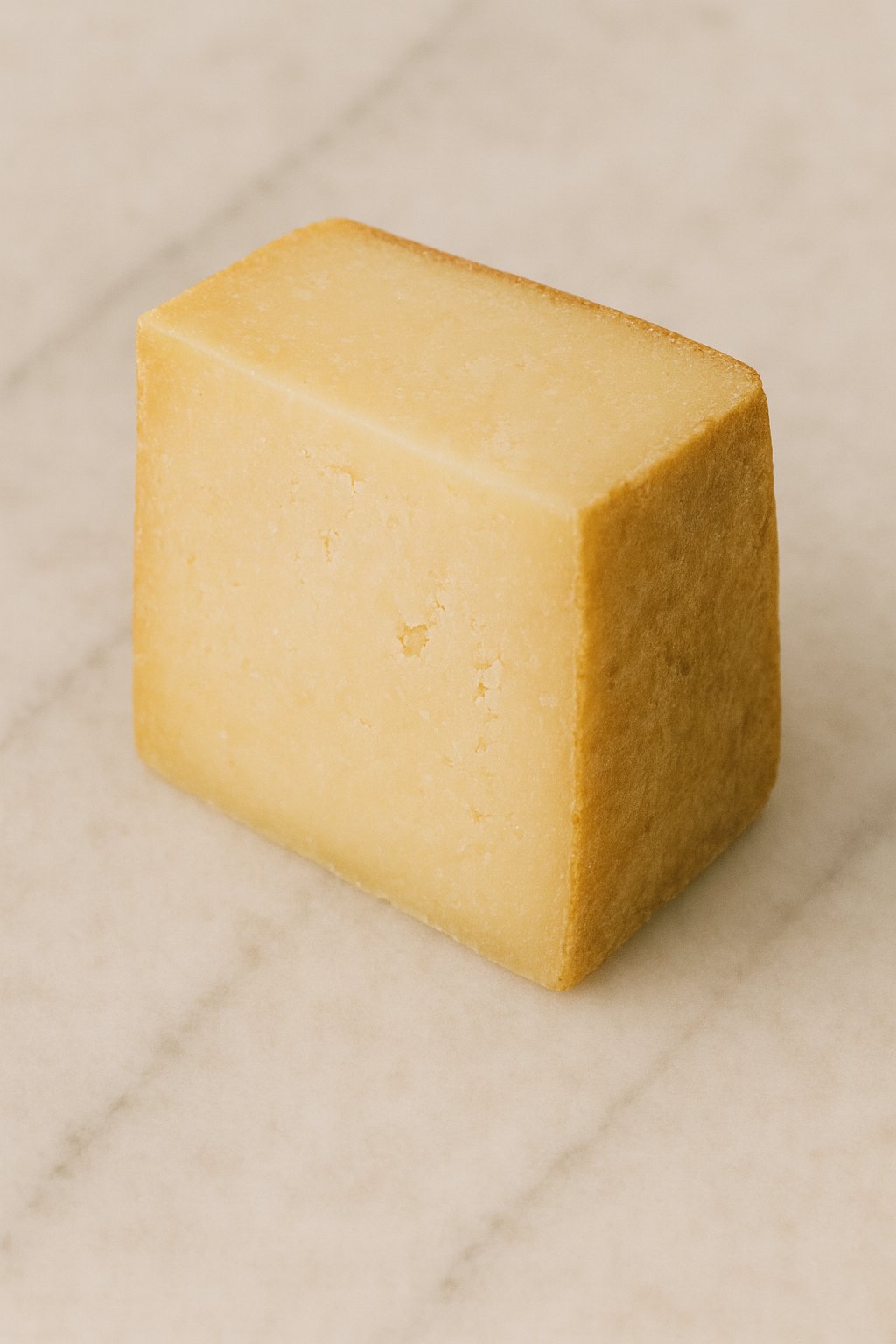
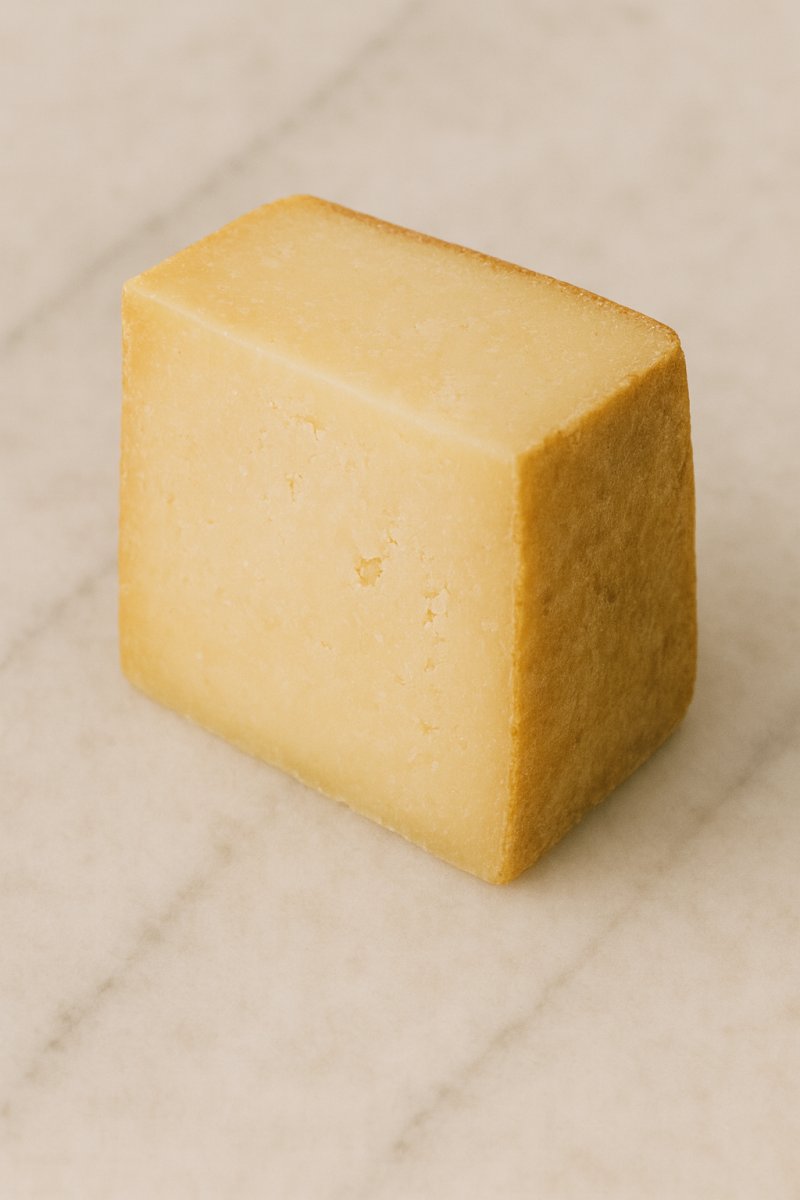
Fontina is a popular Italian cheese that originates from the Aosta Valley region in northwest Italy. Imagine Fontina as a cheese with a small hometown: many people immediately associate it with green mountain meadows and the cows that graze there. Because it originally comes from a specific area, some varieties are also called Fontina Valdostana, which means “Fontina from the Aosta Valley.”
Today, however, Fontina is no longer produced only there. You can find it in various parts of Europe and even in other countries such as the USA. This often happens like this: when an idea or a food tastes particularly good, people elsewhere try to make it too. It is important to know that it can make a difference whether the Fontina comes from the Aosta Valley or is produced elsewhere. The genuine Fontina Valdostana often has a protected designation that indicates it was made according to traditional rules in that exact area.
There are several types and variants of Fontina. Here are the most common, explained as for a 12‑year‑old child:
- Traditional Fontina (Valdostana): This variety comes from the Aosta Valley. It is made from raw milk — that is milk that hasn’t been heavily heated — and is aged in a particular way. The taste is often nutty, slightly sweet and pleasantly robust. Sometimes it becomes a bit more pungent the older it gets.
- Young Fontina: This cheese has only been aged for a short time, so it hasn’t been stored long. It is soft, melts very well and tastes mild. Young Fontina is great for warm dishes like melted cheese recipes or as a bread topping.
- Aged Fontina: This variant is matured for longer and develops a stronger, more intense taste. The texture can become firmer and somewhat crumbly. Aged Fontina pairs well with heartier dishes or on a cheese board.
- Industrially produced Fontina: Some Fontina is replicated in larger factories. It resembles the traditional version, but production methods and the milk used can be different. This type is often cheaper and widely available in supermarkets.
- Regional imitations: In other countries there are cheeses that are meant to look and taste like Fontina. They sometimes carry the name “Fontina,” but they are not always exactly the same as the original Fontina Valdostana. You can think of them like different brands of a popular toy: they look similar, feel similar, but there are small differences.
How do you find Fontina in the store? Fontina is available in many supermarkets, either at the cheese counter or packaged in the refrigerated section. In well‑stocked delicatessens or markets with Italian specialties you’ll often find higher‑quality variants, sometimes even the genuine Fontina Valdostana. If you want to be sure, check labels: names like “Valdostana” or indications of origin often show that it is the traditional variety.
In summary: Fontina comes in different versions — from mild and melting to robust and aged — and it originally comes from the Aosta Valley in Italy. Some varieties are the true traditional type, others are imitations or modern versions. So everyone, depending on taste and cooking purpose, has a choice among several types of this tasty cheese.