Menu & categories

Fig

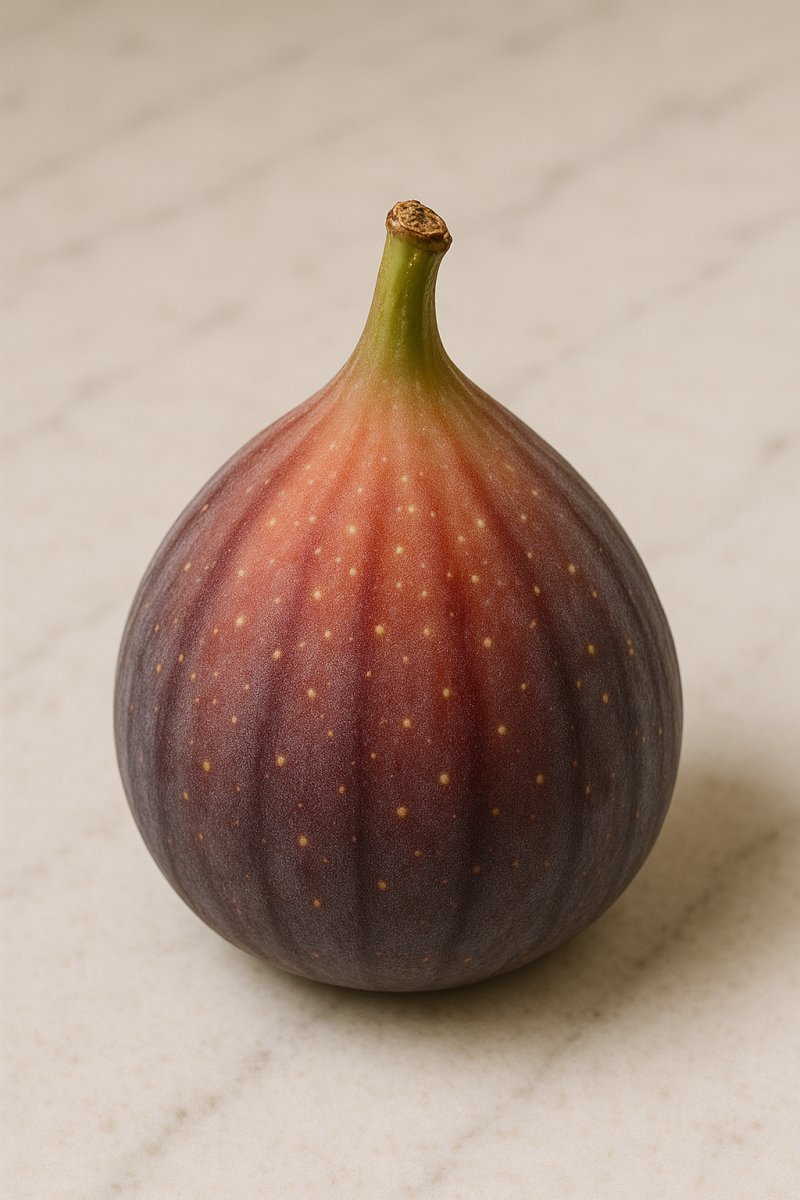
Sweet, fiber-rich fruit with valuable minerals

Wiki about fig Nutri-Score B Vegan Yes Gluten-free Yes Lactose-free Yes Nut-free Yes
NUTRITION / 100 g
74 kcal 0.8 g Protein 19.0 g Kohlenhydrate 0.3 g Fett

Introduction

Fresh ripe figs, whole fruits and cut halves
I still remember the first scent of figs that hit me when I opened a wooden crate at the weekly market: sweet, warm and almost honey-like, with a faint earthy note that immediately reminded me of long summer afternoons. Since then I have developed a small obsession. Figs are for me more than just fruit; they are stories in miniature — sweet, sensual and sometimes surprisingly crisp when caramelized.

What fascinates me about figs is their versatility. Fresh they are delicate and juicy, the flesh almost jam-like, while the skin provides a subtle chewiness. Dried they unfold a concentrated sweetness and a dense, chewy texture that shines in both desserts and mueslis. I once prepared a dinner where a colleague looked sceptical at the combination of figs, goat cheese and rosemary — in the end she was the one asking me for the recipe.

The fig is also a small wonder in the kitchen: it pairs with salty components, fatty meats, bitter herbs and strong cheeses. A few quick ideas:

  • Fresh figs with goat cheese and honey as a starter
  • Grilled figs with lamb or duck breast
  • Dried figs in stews or as a snack
  • Fig jam on toasted bread with a touch of lemon
Botanically speaking figs are unusual — they rely on pollinators, which I have always watched with a mix of curiosity and mild wonder. In culinary terms they are uncomplicated: a few cuts, a splash of lemon, perhaps a drizzle of olive oil, and you have a small work of art. I clearly remember a picnic where a fresh fig tree stood nearby and we felt almost like thieves when we pinched a handful.

Whether in savory dishes or sweet creations, figs bring depth and character. They require a little attention in handling, but reward every effort with rich aroma and texture. For me they symbolize how simple ingredients can transform a plate — and they remind me how much joy discovering new combinations in the kitchen can bring.

Availability & types

Availability and types of fig

Figs are fruits many people enjoy because they are sweet and soft. They do not grow on bushes but on trees, the fig trees. Figs originally come from the Mediterranean region and parts of western Asia. That means: long ago people in those areas ate figs for the first time and began intentionally planting the trees. Today, however, figs are cultivated in many warm places around the world.

Origin and growing regions
Figs prefer warm, sunny and relatively dry locations. Therefore they grow well in countries around the Mediterranean such as Spain, Italy, Greece and Turkey. There are also many fig plantations in North Africa, the Middle East and parts of the USA (for example California). Fig trees tolerate little frost – this means they would die in very cold areas. Some figs also grow in mixed gardens where they are protected from the cold.

Available varieties and types
There are many different fig varieties. They can roughly be divided into two groups: fresh figs and dried figs. Fresh figs are eaten directly from the tree, while dried figs are preserved by drying and then taste like sweet snacks. Within these groups there are various colors, shapes and flavor profiles.

  • Green figs: Often light to dark green on the outside. Inside they are usually pink to red. They are sweet and juicy, a bit like honey.
  • Dark figs: Outside almost black or purple. Inside they are deep red and very aromatic. Some call them “Black Mission” or similar names.
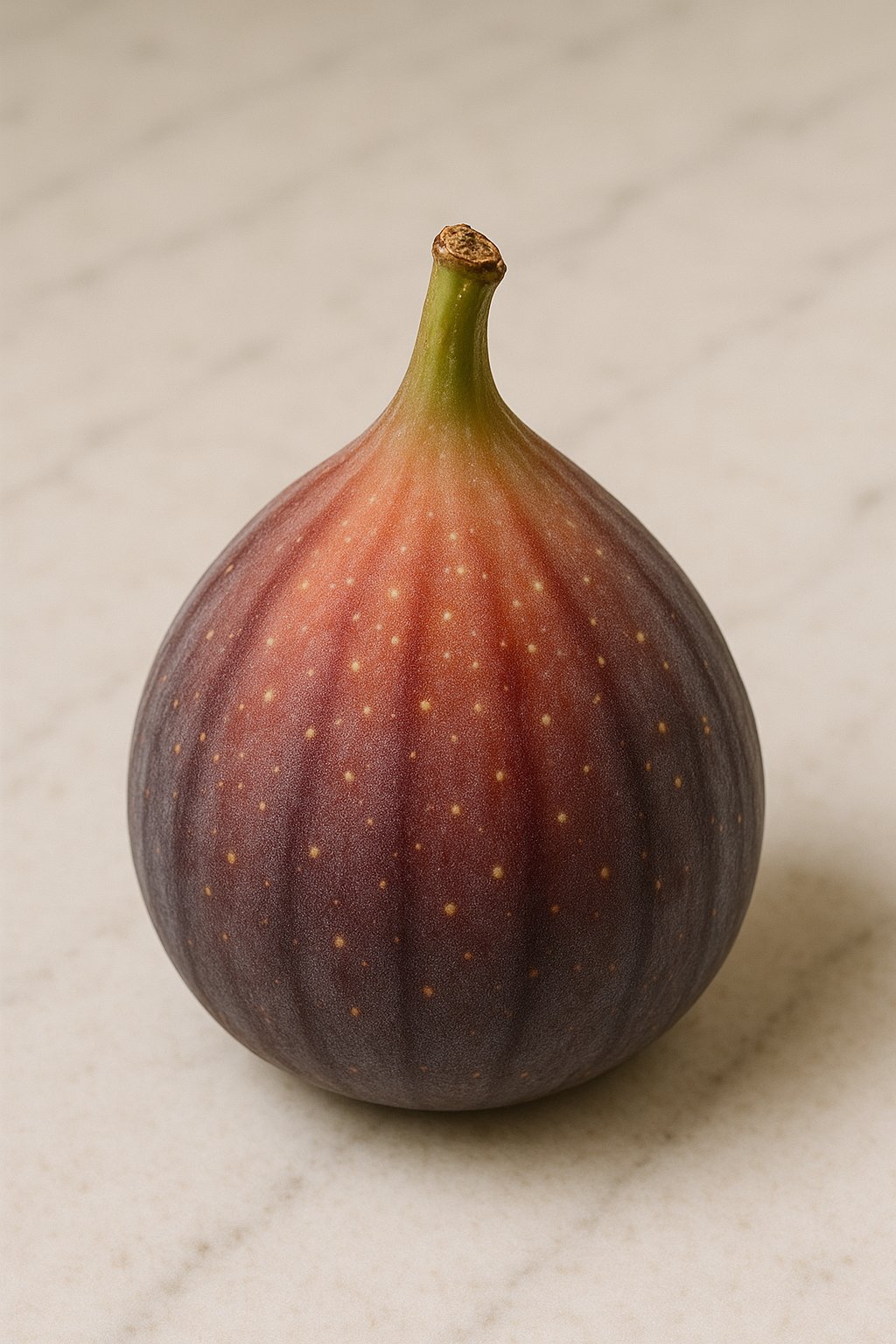
  • Purple or red varieties: These have a reddish‑purple skin and often particularly intense flavor.
  • Pale varieties: Some figs are lighter, almost yellowish. They are milder in taste.
Some varieties have a firm core or many small seeds inside that crunch when chewed. Others are very soft and almost jam-like. The selection in the shop depends on which variety is grown in the region and whether it is in season.

Season and availability in stores
Fresh figs have a limited season: in Europe they are usually available fresh from late summer to early autumn. This is similar to apples or berries: there is a time when they come fresh from the tree and taste especially good. Outside the season you will often find dried figs in supermarkets or figs imported from warmer countries. Dried figs are available year‑round and keep for a long time.

Buying tips
If you want to buy fresh figs, look for ones that yield slightly to the touch but are not too mushy. Fresh figs should not have a strong odor or large bruises. Dried figs are a practical option because they are sweet and long‑lasting. Both varieties can be eaten directly or used in muesli, on bread or in warm dishes.

In summary: figs originally come from the Mediterranean and are now grown in many warm countries; there are green, dark, purple and pale varieties; fresh figs are particularly good only in season, while dried figs are available year‑round. This way you can enjoy this delicious fruit at different times and in different forms.
Details & nutrition

Property Value
Unit g
Average weight per piece 50
Calories per 100 74
Protein per 100 0.8
Carbohydrates per 100 19.0
Sugar per 100 16.0
Fat per 100 0.3
Saturated fat per 100 0.05
Monounsaturated fat 0.07
Polyunsaturated fat 0.15
Fiber per 100 2.9
Vitamin C (mg) per 100 2.0
Vitamin D (IU) per 100 0
Calcium (mg) per 100 35
Iron (mg) per 100 0.4
Nutri-Score B
CO₂ footprint 0.4
Origin Mediterranean region, Middle East
Gluten-free Yes
Lactose-free Yes
Nut-free Yes
Vegan Yes
Note Nutritional values refer to fresh figs, not dried figs.

Technical & scientific information

Fig (Ficus carica) is the edible fruit of the common fig tree and belongs to the genus Ficus in the family Moraceae. Botanically it is a false fruit or syconium organ, in which the actual flowers and later seeds lie within an internally closed, spherical hollow structure. Fruit varieties vary in color, shape and size; common cultivars have greenish, purple or nearly black skins and pale to dark red flesh.

Morphology and ripening: The fig is a short‑stalked, sac‑like structure with a small opening (ostiolum) at the tip, through which pollinators such as specific gall wasps can enter. Many cultivated varieties develop parthenocarpic fruits that ripen without external pollination. Ripening usually occurs in several phases: an initial growth phase, increased sugar accumulation and a softening phase characterized by enzymatic changes in cell wall polysaccharides.

Chemical composition and constituents: Fresh figs consist mainly of water (approx. 70–80 %), carbohydrates (mainly sucrose, glucose and fructose, total 15–20 %), fiber (particularly pectins and cellulose, 2–4 %) as well as small amounts of protein (about 0.5–1.3 %) and lipids (<1 %). Other relevant components include:

  • Minerals: potassium, calcium, magnesium and phosphorus in notable amounts;
  • Vitamins: traces of vitamin A, B‑group vitamins (notably B6) and vitamin K as well as small amounts of vitamin C in fresh fruit;
  • Phenolic compounds: flavonoids, anthocyanins (in dark varieties) and other antioxidants that contribute to the ORAC value;
  • Enzymes: proteases such as ficin, a cysteine‑containing enzyme that shows proteolytic activity and occurs in the latex.
Nutritional values: Fresh figs provide moderate energy (approx. 70–100 kcal per 100 g) mainly from simple sugars, whereas dried figs are considerably more energy‑dense (approx. 250–300 kcal per 100 g) and have a higher concentration of fiber and minerals per unit mass. The glycemic index varies depending on ripeness and processing; dried figs can, due to concentrated sugars, produce a higher glycemic effect.

Processing methods: Figs are eaten fresh, dried, made into jams, syrups, pastes and baked goods or used as an ingredient in savory dishes. Drying is traditionally done in the sun or industrially in drying ovens; industrial processing also employs enzymatic and heat treatments to optimize texture and shelf life. Treatment with sulfur dioxide can be used to preserve color, while thermal processes affect the content of heat‑sensitive vitamins and phenolics.

Health aspects: The fiber supports intestinal peristalsis and can positively influence the microbiome. The combination of fiber and soluble pectins contributes to satiety and blood sugar regulation. Antioxidant constituents can counteract oxidative stress, although bioavailable effects depend on variety and processing. Proteolytic enzymes such as ficin are used in food technology to tenderize meat and in medical‑pharmaceutical contexts for specific applications. Allergic reactions are possible, particularly in latex‑allergic individuals, as fig latex can cause cross‑reactions.

Ecological and agronomic aspects: Fig trees are drought‑resistant and adapted to Mediterranean climates. They display diverse ecological interactions, for example specialized symbioses with certain Blastophaga cicadas (Ficus pollinators) in wild populations. Cultivation practices range from extensive traditional orchards to modern intensive systems with irrigation and mechanical harvest.

In summary, the fig is a nutritionally relevant fruit with a high content of readily available sugars, beneficial fiber and secondary plant compounds. Its proteolytic enzymes and antioxidant components make it interesting both for food technology and health contexts; at the same time processing and storage require measures to preserve color, texture and nutrient profile. The choice between fresh and dried form significantly affects energy density and metabolic effects upon consumption.

Wiki entry for: fig
Active now: 24 visitors of which 2 logged-in members in the last 5 minutes