Menu & categories

Thick milk

A creamy and nutritious milk alternative.

Wiki about fermented milk Nutri-Score B Vegan No Gluten-free Yes Lactose-free No Nut-free Yes
NUTRITION / 100 g
100 kcal 4.5 g Protein 5 g Kohlenhydrate 6 g Fett

Introduction

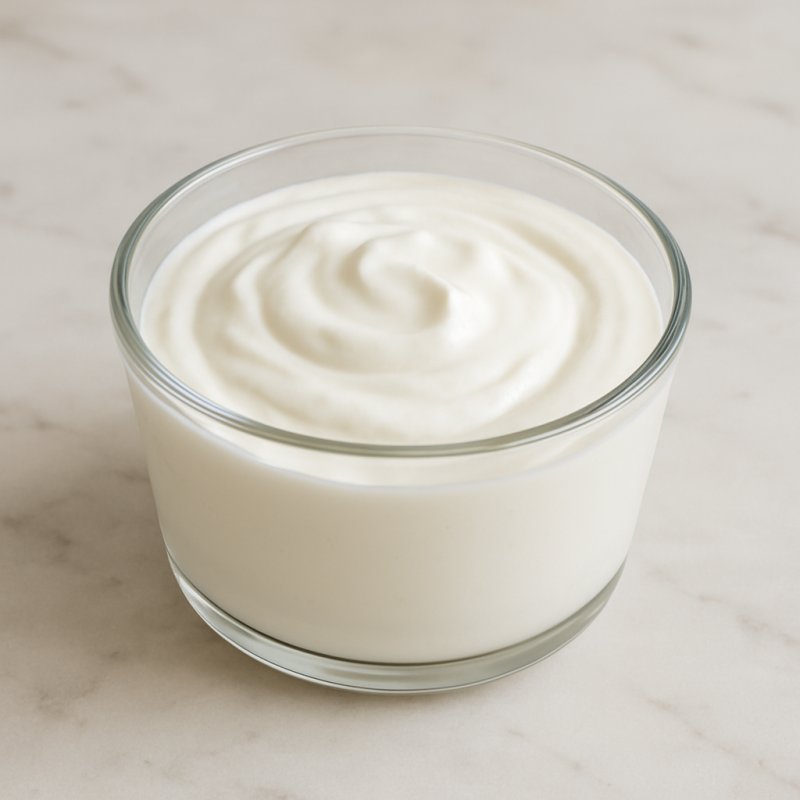
A bowl of thick milk
I still remember well the first day I discovered Dickmilch. It was while browsing in a small, charming grocery store in a picturesque town. The smell of fresh bread and herbs was in the air when I came across a shelf full of various dairy products. The Dickmilch caught my eye immediately – it looked so inviting and mysterious. What exactly should I do with this ingredient?

For those who don't know, Dickmilch is a special type of dairy product made from pasteurized whole milk that becomes thick and creamy through the addition of lactic acid bacteria. In many cultures it is used as a kind of healthy alternative to yogurt or sour cream. I still remember the first time I tasted it – the texture was so silky and the flavor pleasantly mild. It felt like a small culinary discovery worth exploring further.

A colleague of mine, a true gourmet, swears by Dickmilch in his smoothies. He says it gives his creations a particular creaminess that no other ingredient can achieve. I tried it myself and must say I agree with him. When you blend Dickmilch with fresh fruit and a touch of honey, you get an incredibly tasty and nutritious breakfast that keeps you full for a long time.

But Dickmilch can do much more! Here are a few exciting ideas on how to use it in your kitchen:

  • Baking: Dickmilch works wonderfully in muffins and pancakes. It ensures a moist batter and brings a pleasant flavor.
  • Salad dressings: Mix Dickmilch with herbs, garlic and a little lemon for a creamy dressing that elevates your salads.
  • Dip: Combine Dickmilch with cream cheese and spices for a delicious dip that is perfect for vegetables or chips.
Overall, Dickmilch is a versatile ingredient that should not be missing from any kitchen. Its creamy texture and mild flavor make it a great companion in many dishes. So if you're looking for a new culinary challenge, try Dickmilch and be inspired by its possibilities. Who knows, it might become your new kitchen favorite!

Availability & types

Dickmilch is a special kind of milk product that is very popular in many countries. It is produced when regular milk is acidified by specific bacteria. These bacteria help the milk thicken and develop a pleasant, slightly tangy taste. Dickmilch is a very healthy ingredient that contains many nutrients and has a long history.

Origin
The history of Dickmilch goes back to ancient times. It was produced many centuries ago in Europe and Asia. People noticed that milk that was not consumed immediately would thicken and sour over time. They found that this Dickmilch could be used to cook various dishes or eaten on its own. Today, Dickmilch is made in many countries, especially in Europe, where it is popular in countries such as Germany, Austria and Switzerland.

Production regions
Dickmilch is made from cow's milk, goat's milk or sheep's milk. These animals are raised in many different regions of the world. In Germany, for example, there are large dairy farms specialized in the production of Dickmilch. The cows graze on lush meadows, and the milk they produce is the basis for Dickmilch. There are also smaller farms where farmers keep their own cows or goats and process the milk themselves.

Available varieties and types
There are different kinds of Dickmilch that vary in flavor and consistency. Here are some of the best-known variants:

  • Buttermilk: This type of Dickmilch has a particularly fresh and slightly tangy taste. It is often used in baking, for example for pancakes or muffins.
  • Yogurt: Although yogurt is not technically exactly the same as Dickmilch, they have many similarities. Yogurt is also made from milk and has a creamy consistency. Many people eat yogurt as a snack or for breakfast.
  • Quark: Quark is another tasty variant. It is even thicker than Dickmilch and is often used in desserts or for cooking. You can also mix quark with fruit to prepare a healthy snack.
  • Sour cream: This type of Dickmilch has a higher fat content and is very creamy. Sour cream is often used as a topping for soups or in sauces.
In summary, Dickmilch is a versatile ingredient available in many different forms. Whether you enjoy it plain, use it in a recipe or include it in a healthy breakfast, Dickmilch is always a good choice. It not only has a pleasant flavor but is also rich in nutrients that are beneficial for our bodies. The next time you're at the supermarket, take a look at the different Dickmilch varieties and try something new. You'll be surprised at how many delicious possibilities there are!
Details & nutrition

Property Value
Unit g
Calories per 100 100
Protein per 100 4.5
Carbohydrates per 100 5
Sugar per 100 4
Fat per 100 6
Saturated fat per 100 4
Monounsaturated fat 1
Polyunsaturated fat 1
Fiber per 100 0
Vitamin C (mg) per 100 0
Vitamin D (IU) per 100 0
Calcium (mg) per 100 120
Iron (mg) per 100 0.1
Nutri-Score B
CO₂ footprint 1.2
Origin Germany
Gluten-free Yes
Lactose-free No
Nut-free Yes
Vegan No
Note Thick milk is a versatile product that can be used in many recipes.

Technical & scientific information

Dickmilch, also known as soured milk or buttermilk, is a traditional dairy product produced by the fermentation of pasteurized milk. This fermentation process is typically initiated by specific lactic acid bacteria that transform the milk into a thicker state and change its flavor. Dickmilch has a long history in many cultures and is known for its creamy texture and slightly acidic taste.

Chemical composition and constituents

The chemical composition of Dickmilch varies depending on the milk source and fermentation method, but typically contains:

  • Water: About 85–90% of Dickmilch is water.
  • Fats: The fat content ranges between 2 and 5%, depending on the milk used.
  • Proteins: Dickmilch contains about 3–4% protein, mainly in the form of casein and whey proteins.
  • Carbohydrates: Lactose content is about 3–4%, with a portion of the lactose converted into lactic acid during fermentation.
  • Minerals: Dickmilch is rich in minerals such as calcium, magnesium and phosphorus.
  • Vitamins: It contains essential vitamins, particularly B-group vitamins as well as vitamins A and D.
Processing methods

The production of Dickmilch begins with pasteurization of the milk to kill unwanted microorganisms. Specific lactic acid bacteria are then added, typically strains of Lactobacillus and Streptococcus. These bacteria ferment the milk by converting lactose into lactic acid, which leads to thickening and the development of the characteristic sour taste. The fermentation process usually lasts between 12 and 24 hours and takes place at controlled temperatures to optimize bacterial activity.

Nutritional values

The nutritional values of Dickmilch can vary depending on the manufacturer and recipe, but the following are average values per 100 ml:

  • Calories: 60–80 kcal
  • Fat: 2–5 g
  • Protein: 3–4 g
  • Carbohydrates: 3–4 g
  • Calcium: 100–120 mg
Health aspects

Dickmilch is known for its probiotic properties, which can help promote a healthy gut flora. The lactic acid bacteria it contains support digestion and can strengthen the immune system. In addition, because fermentation reduces lactose content, Dickmilch is often better tolerated than fresh milk by many people with lactose intolerance.

Wiki entry for: fermented milk
Active now: 6 visitors of which 2 logged-in members in the last 5 minutes