Menu & categories

Fennel seeds

Aromatic seeds with an intense anise flavor and high nutrient content

Wiki about fennel seed Nutri-Score B Vegan Yes Gluten-free Yes Lactose-free Yes Nut-free Yes
NUTRITION / 100 g
345 kcal 15.8 g Protein 52 g Kohlenhydrate 14.9 g Fett

Introduction

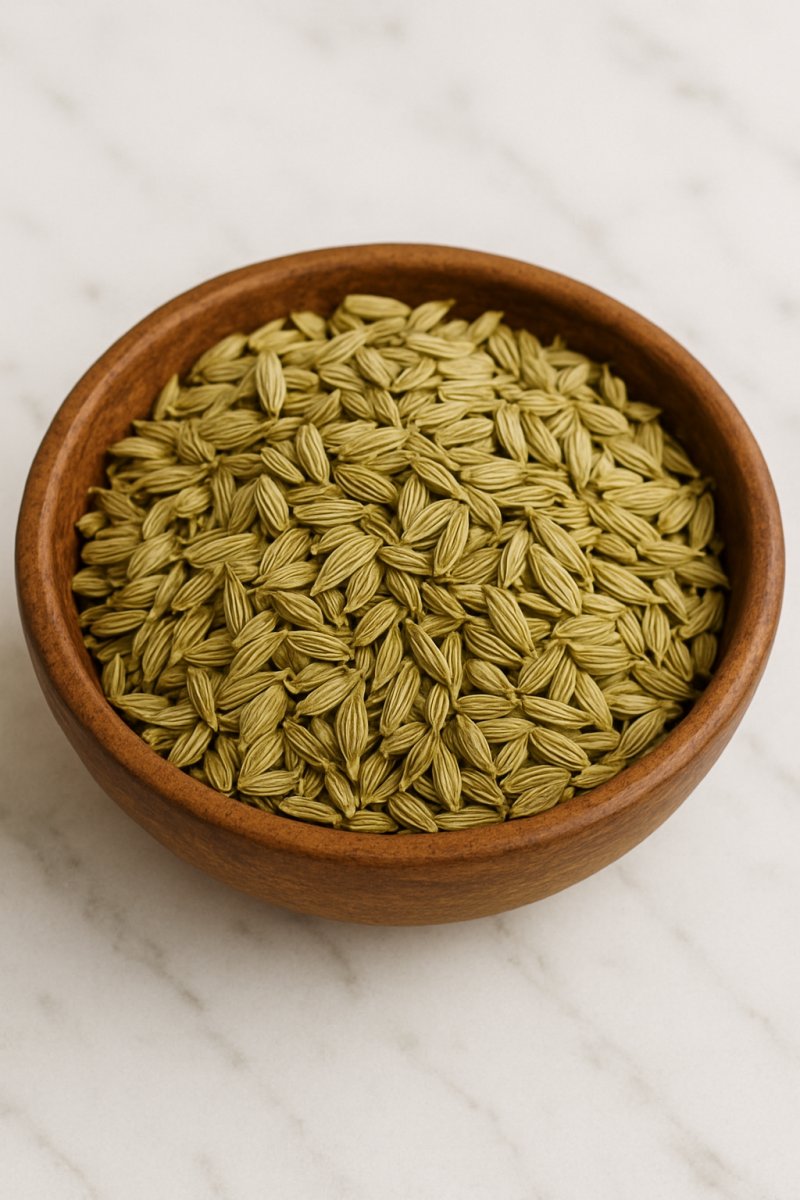
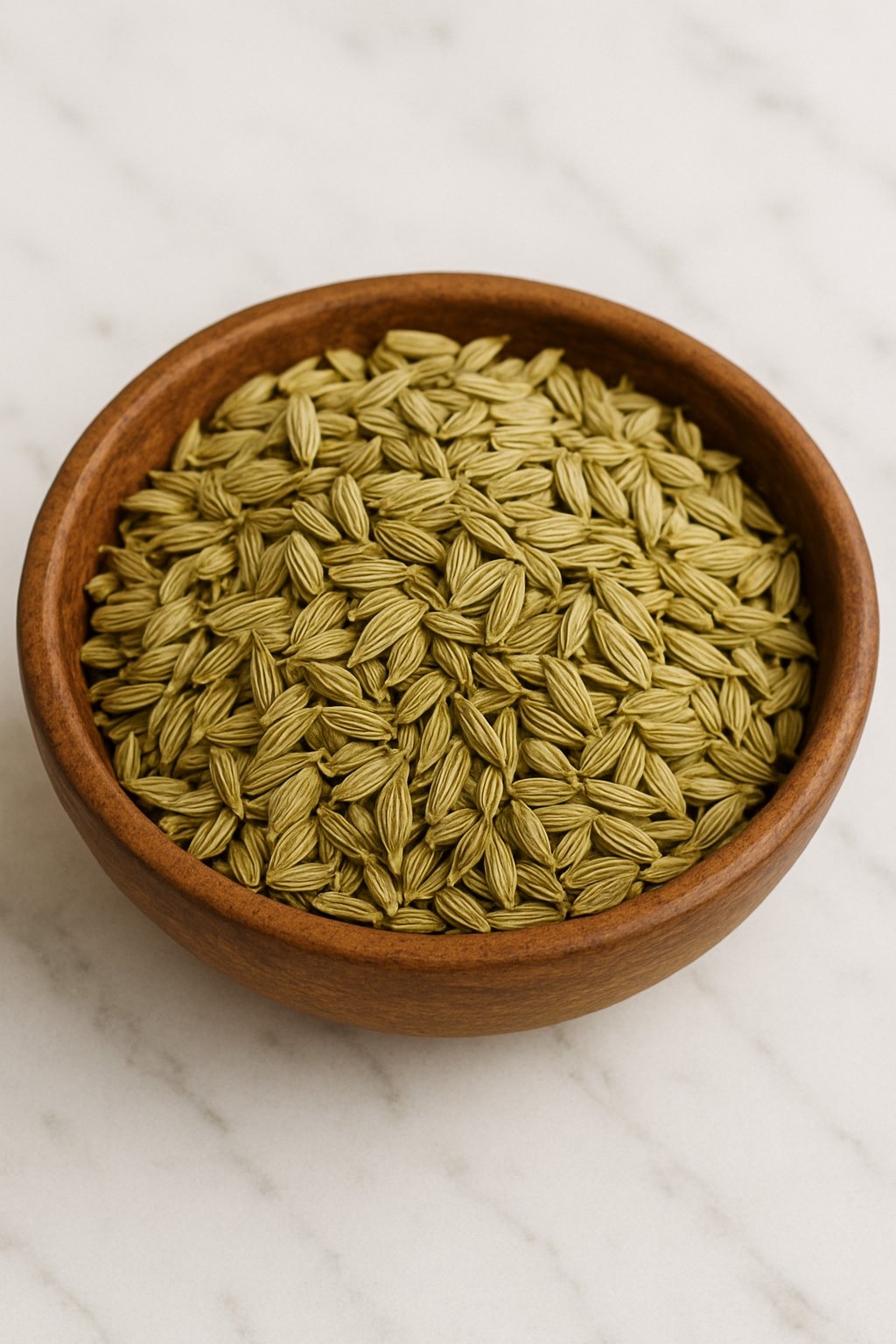
Dried fennel seeds in a bowl
I have to admit, fennel seeds have always fascinated me: small, unassuming, and yet they carry an entire universe of flavor within them. The first time I consciously cooked with them I only thought of licorice, but I quickly realized how complex this spice really is. A colleague once brought a tin on a trip we took together, and the scent that rose when it was opened felt like a warm memory of Mediterranean markets.

Fennel seeds come from the wild fennel plant and are prized in many kitchens across Europe, North Africa and Asia. They can be used whole or ground and develop a deeper, nuttier note when roasted. I still remember when, as a beginner in a small kitchen, I accidentally left while roasting for too long — the result was darker than intended, but surprisingly delicious in a bean sauce.

Typical uses

  • Fish dishes, where they nicely complement the sea flavours.
  • Bread, especially in rustic varieties and sourdoughs.
  • Stews and braised dishes that benefit from their warm, anise-like tone.
  • Desserts and herbal liqueurs where a light licorice note is desired.
I like fennel seeds equally in savory and sweet recipes, and I often sprinkle a pinch on roasted vegetables to achieve a surprising complexity. Sometimes I mix them with black pepper and coriander to make a simple marinade that always impresses. A friend once asked me why his fennel tea wasn't as aromatic as mine; I advised him to lightly toast the seeds before infusing — a small step with big effect.

Apart from taste, fennel seeds also offer practical advantages: they are traditionally considered digestive aids and are used as a home remedy after heavy meals in many cultures. For me they are a little bit of kitchen magic: inexpensive, long-lasting and able to make any dish a little more interesting. In the end it's this combination of history, flavour and personal memory that makes fennel seeds an indispensable companion at the stove for me.

Availability & types

Availability and types of fennel seeds

Fennel seeds are the small, elongated seeds of a plant called fennel. They look like tiny green or brown rice-like grains and have a fresh, slightly sweet anise or licorice flavour. Because they taste and smell good, they are used in many cuisines and also as a tea. Here I explain where fennel seeds come from, where they are grown and which varieties you can find in the store — explained so simply that a 12‑year‑old could understand.

Origin
Fennel originally comes from the Mediterranean region. That means the plant first grew in countries like Italy, Greece or the south of France. Over the centuries people have brought fennel to many other places because it is useful and tastes good. Today fennel can be found on several continents.

Growing regions
Fennel plants like warm, sunny places and well-drained soil — places where water does not stay for long. That is why fennel is mainly grown in these regions:

  • Mediterranean: Countries like Italy, Spain and Greece are classic growing areas. There the climate is ideal.
  • Southern Europe and parts of Asia: In countries like Turkey or India fennel also grows well.
  • North America: In the USA and Canada fennel is grown in warmer areas.
  • Other regions: Some farmers in South America, Australia or South Africa grow fennel when the climate allows.
Because fennel seeds need little space, you can find them not only on large fields but sometimes also in small gardens or in pots on balconies.

Available varieties and types
Not all fennel seeds are the same. There are different varieties that vary a little in taste, size or colour. The main variants are:

  • Green fennel seeds: These look slightly greenish and have a fresh aroma. They are very common and often found in supermarkets.
  • Brown fennel seeds: Sometimes the seeds are darker, especially if they have been stored for a long time or because they are a different variety. The flavour is similar, sometimes a bit stronger.
  • Ground fennel: Instead of whole seeds there are also ground versions like powder. This is convenient if you don't want to crush the seeds yourself.
  • Oil and extracts: Oil can also be extracted from fennel seeds. This oil has a strong aroma and is sometimes used in cooking or for medicinal purposes.
  • Organic or conventional variants: Organic fennel seeds are grown without chemical pesticides. Conventional seeds can be produced with other methods. Both taste similar, but some people prefer organic for environmental reasons.
How to find fennel seeds in the store?
You can usually find fennel seeds in the spice section of supermarkets, in health food stores or at farmers' markets. Sometimes they are placed near teas because they can be used for infusions. They are available loose in large jars, in small packets or as ground powder in tins.

In summary, fennel seeds are widespread and available in many varieties. Whether you buy them at the supermarket, at a market or grow them in your garden — they are easy to find and have small differences in colour, shape and processing. This variety makes fennel seeds practical for many recipes and everyday use, because you can always find a type that suits your taste.
Details & nutrition

Property Value
Unit g
Calories per 100 345
Protein per 100 15.8
Carbohydrates per 100 52
Sugar per 100 0
Fat per 100 14.9
Saturated fat per 100 0.5
Monounsaturated fat 9.9
Polyunsaturated fat 1.7
Fiber per 100 39.8
Vitamin C (mg) per 100 21
Vitamin D (IU) per 100 0
Calcium (mg) per 100 1196
Iron (mg) per 100 18.5
Nutri-Score B
CO₂ footprint 1.8
Origin Primarily the Mediterranean region and Western Asia, today grown worldwide in temperate zones
Gluten-free Yes
Lactose-free Yes
Nut-free Yes
Vegan Yes
Note Nutritional values refer to whole dried fennel seeds. Because of their high fiber and mineral content, fennel seeds are usually used in small amounts as a spice or for tea.

Technical & scientific information

Fennel seeds (Foeniculum vulgare) are the dried fruits of the culinary herb fennel, which belongs to the carrot family (Apiaceae). Botanically they are elliptical double achenes, which in size and shape are often mistaken for small seeds but contain multiple seeds. Fennel seeds are used worldwide as a spice, in teas and in traditional medicine and have a characteristic sweet-aromatic flavor with anise-like notes.

Chemical composition and constituents
The chemical composition of fennel seeds is complex and consists of several classes of secondary plant compounds. The main components are:

  • Essential oils: Major constituents are anethole (up to 60–80% of the oil), fenchone, estragole and limonene. These compounds determine the aroma and many pharmacological effects.
  • Phenolic compounds: Flavonoids such as quercetin and glucosinolate-like substances, which have antioxidant properties.
  • Fats and lipids: Fatty acid fractions (about 15–25%) with linoleic and oleic acid as significant components.
  • Dietary fibre: A high proportion of soluble and insoluble fibre contributes to satiety and bowel function.
  • Minerals and vitamins: Small amounts of potassium, calcium, iron and vitamin C as well as traces of other micronutrients.
Nutritional values
Fennel seeds are energy-dense because of their oil content. Typical nutritional values per 100 g of dry seeds are in the range of 400–500 kcal, with a fat content of about 15–20 g, carbohydrates (mainly fibre and some free sugars) around 40–50 g and a protein content of about 15–20 g. These values vary depending on origin, harvest time and drying degree.

Processing methods
Fennel seeds are processed in several stages that affect quality and aroma. Harvesting of the ripe fruits is followed by air drying or drying in facilities to reduce moisture and prevent mold growth. Afterwards the seeds can be used whole, ground or briefly roasted before use to intensify the aroma. For the production of essential oils steam distillation is performed, in which the volatile fractions are separated and further purified.

Pharmacological and health aspects
Traditionally fennel seeds are used for digestive complaints such as bloating, fullness and cramps. Studies suggest that the essential oil, particularly anethole, may have antispasmodic, carminative and protective effects on the gastrointestinal tract. Fennel also shows antimicrobial activity against various bacteria and fungi in vitro, although the clinical relevance remains to be established.

From a nutritional perspective fennel seeds provide fibre, plant proteins and essential fatty acids. During breastfeeding they are traditionally used to promote milk production; evidence and mechanisms here are inconsistent. Excessive consumption or use in sensitive individuals can cause irritation or allergic reactions due to components such as estragole or high concentrations of anethole. Pregnant women should consult a physician before high intake or therapeutic use.

Safety and quality aspects
In industrial processing residues, microbiological contamination and levels of undesirable secondary metabolites must be monitored. Standardization of extracts is often based on anethole content or total oil percentage. Medicinal and dietary supplement products are subject to specific purity requirements and limits for potentially toxic components.

Applications
Fennel seeds have versatile culinary uses: whole in baked goods, stews and marinades, ground in spice blends or as an infusion in teas. In the cosmetics and food industry the essential oils are used as flavoring agents. In research fennel remains an interesting model for studying plant aromatic compounds, their biological activity and for the development of standardized extracts for therapeutic purposes.

In summary, fennel seeds are an aromatic, chemically complex ingredient with nutritional benefits and pharmacologically active constituents. Their safety and efficacy depend on dose, processing and individual sensitivity; therefore for therapeutic use verified products and professional advice are recommended.

Wiki entry for: fennel seed
Active now: 12 visitors of which 2 logged-in members in the last 5 minutes