Menu & categories

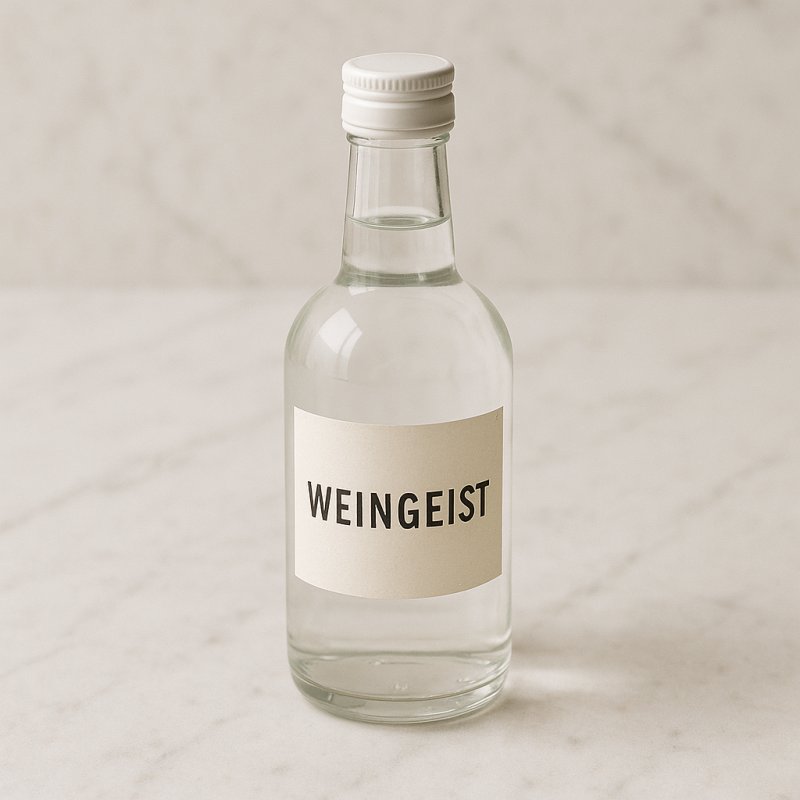
Pure wine spirit 95 Vol. %

High-proof alcohol for various applications

Wiki about ethyl alcohol 95% vol. Nutri-Score E Vegan Yes Gluten-free Yes Lactose-free Yes Nut-free Yes
NUTRITION / 100 ml
700 kcal 0 g Protein 0 g Kohlenhydrate 0 g Fett

Introduction

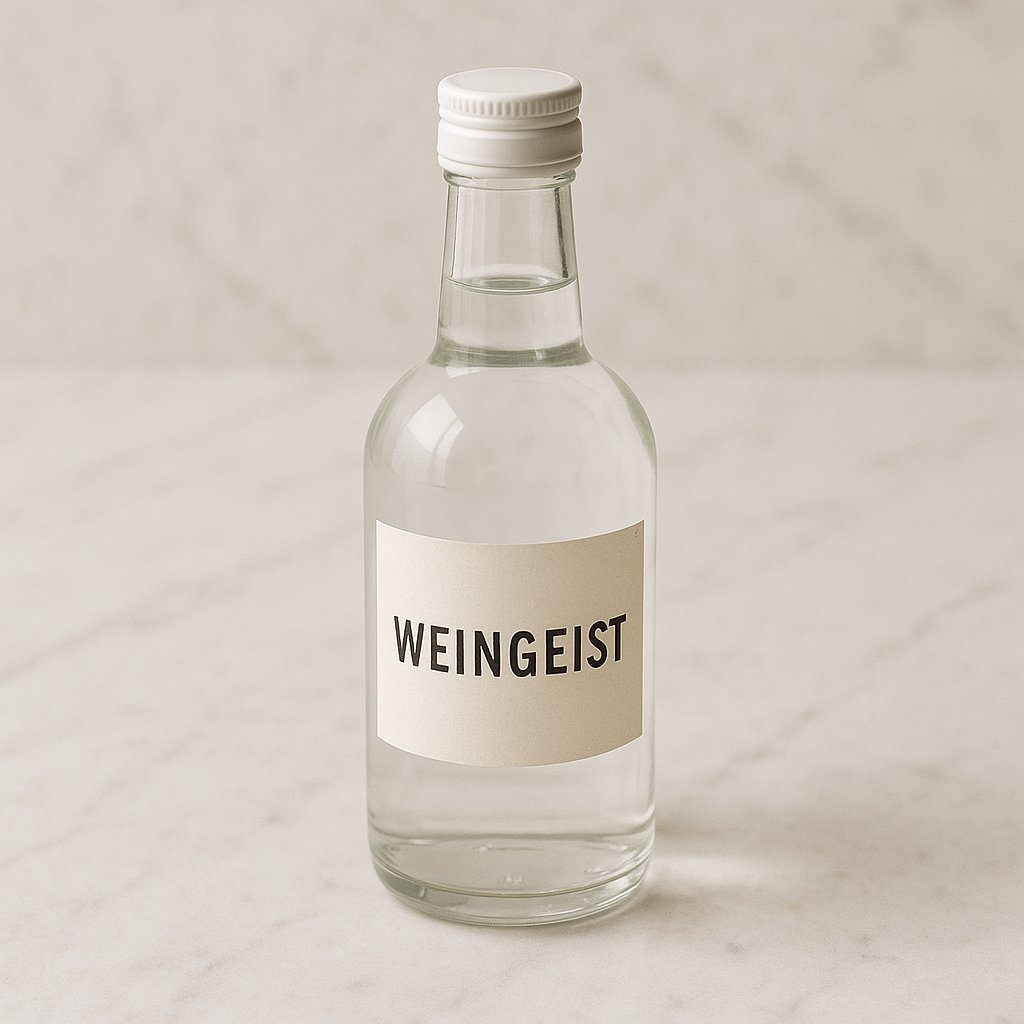
Bottle with pure wine spirit 95 Vol. %
I still remember my first attempt at experimenting with neutral spirit pure 95 Vol. %. It was on a rainy Sunday when I decided to turn my kitchen into a small laboratory. A colleague of mine had told me about his fantastic creations – from homemade liqueurs to aromatic extracts. With a bottle of neutral spirit in my hand I felt like an alchemical master.

Neutral spirit, also known as neutral alcohol, has an alcohol content of 95 Vol. %. That sounds like a challenge at first, doesn’t it? But I can tell you it is an incredibly versatile ingredient that plays a central role in the worlds of cooking and spirits. Its pure, neutral taste allows the flavors of other ingredients to be highlighted without overpowering them. That makes neutral spirit an indispensable companion in the production of liqueurs, essences and home remedies.

Once I wanted to create a homemade raspberry liqueur. I cut fresh raspberries and mixed them with sugar and neutral spirit. The combination of sweet, juicy raspberries with the high alcohol content was simply heavenly. After a few weeks of waiting, during which the berries released their flavors into the neutral spirit, I had a delicious liqueur that made every summer evening a special experience.

But neutral spirit is not only suitable for liqueurs. I also learned how to make aromatic extracts with it. Vanilla extract? No problem! Just place some vanilla pods in neutral spirit and voilà – you have a homemade, intense extract that can be used in any dessert. I can’t wait to use this secret weapon in my next baking projects.

Of course there are some things to keep in mind when handling neutral spirit. It should always be used safely and responsibly. The high concentration can be overwhelming if you’re not careful. But don’t worry, with a bit of practice and a spirit of experimentation anyone can work magic with neutral spirit.

In the world of cooking and mixing, neutral spirit pure 95 Vol. % is more than just an alcohol – it is a key to countless possibilities. So next time you’re in the kitchen, remember that a little neutral spirit can not only refine your creations but also bring a lot of fun. Be inspired and dare to be creative!

Availability & types

Availability and types of neutral spirit pure 95 Vol. %

Neutral spirit, also known as neutral alcohol, is a very pure form of alcohol obtained from various plant sources. It has a high alcohol content of 95 Vol. %, which means it is 95% alcohol and only 5% water. This high concentration makes it a versatile ingredient used in many areas, from food and beverage production to pharmaceuticals.

Origin

The origin of neutral spirit is very interesting. It is usually made from grapes, but other fruits, grains or even sugar beets can be used. The production process often begins with the fermentation of fruits or other plant raw materials, which means that natural sugars are converted into alcohol. After fermentation the alcohol is heated in a distillation to separate the pure alcohol from water and other substances. The result is a clear, pure alcohol with a very neutral taste.

Growing regions

Neutral spirit is produced in many countries around the world, but the best-known growing regions are in countries famous for their wine, such as:

  • France: A lot of grape wine is produced here, which forms the basis for neutral spirit production.
  • Germany: There is also a long tradition of wine production here, and neutral spirit is a popular product.
  • Italy: In Italy neutral spirit is often used in the production of various spirits.
  • Spain: In Spain neutral spirit is also obtained from grapes grown in the country’s various wine regions.
The variety of growing regions shows that neutral spirit can be made from many different types of raw materials, giving it great flexibility.

Available types and variants

Overall, there are several different variants of neutral spirit that can differ in production method and the raw materials used. Some of the best-known types are:

  • Grape neutral spirit: This is the most common type made from grapes. It has a very neutral taste and is often used in cocktails or as a base for other spirits.
  • Grain neutral spirit: This variant is made from various grains such as wheat or rye. It has similar properties to grape neutral spirit but is often somewhat cheaper.
  • Potato neutral spirit: This less common form is made from potatoes. It has a slightly different taste but is favored in some regions.
The different varieties of neutral spirit can vary in their use. Some are specifically intended for the production of liqueurs or spirits, while others are used as a base for foods or drinks.
Details & nutrition

Property Value
Unit ml
Calories per 100 700
Protein per 100 0
Carbohydrates per 100 0
Sugar per 100 0
Fat per 100 0
Saturated fat per 100 0
Monounsaturated fat 0
Polyunsaturated fat 0
Fiber per 100 0
Vitamin C (mg) per 100 0
Vitamin D (IU) per 100 0
Calcium (mg) per 100 0
Iron (mg) per 100 0
Nutri-Score E
CO₂ footprint 0.5
Origin Germany
Gluten-free Yes
Lactose-free Yes
Nut-free Yes
Vegan Yes
Note High-proof alcohol, ideal for making tinctures and for disinfection.

Technical & scientific information

Neutral spirit, also known as ethanol or ethyl alcohol, is a highly pure alcohol that is typically specified with a purity of 95 percent by volume (Vol. %). This form of neutral spirit is widely used in the food and beverage industry, in pharmaceuticals and in the chemical industry. The chemical formula of ethanol is C2H5OH, and it is a colorless, odorless liquid that is miscible with water.

Chemical composition and properties

  • Formula: C2H5OH
  • Molar mass: 46.07 g/mol
  • Density: about 0.789 g/cm³ at 20 °C
  • Melting point: -114.1 °C
  • Boiling point: 78.37 °C
A purity of 95 Vol. % means that 95 percent of the total volume consists of ethanol, while the remaining 5 percent may be water and other impurities. This high purity is crucial for many applications as it affects the efficiency and quality of end products.

Processing methods

Neutral spirit is obtained by fermenting sugars found in plant raw materials such as grains, fruit or sugarcane. The process includes several steps:

  • Fermentation: Yeasts convert sugars into ethanol and carbon dioxide.
  • Distillation: The produced alcohol is concentrated by distillation to reach the desired purity.
  • Rectification: In some cases the alcohol is further purified to remove unwanted components.
Applications

Neutral spirit is used in various sectors, including:

  • Food industry: Use in the production of spirits, essences and flavors.
  • Pharmacy: Use in disinfectants, medicines and cosmetics.
  • Chemical industry: Use as a solvent, as a component in chemical reactions and for the production of other chemical compounds.
Health aspects

Although neutral spirit is used in many products, it is also a potentially harmful substance, especially at high concentrations. Consuming pure neutral spirit can lead to health problems, including:

  • Acute poisoning: Large amounts can cause impaired consciousness, respiratory problems and even death.
  • Long-term consequences: Regular consumption can lead to liver disease, dependence and other chronic health problems.
Therefore it is important to use neutral spirit only in intended and recommended applications and to avoid contact with undiluted alcohol.

Wiki entry for: ethyl alcohol 95% vol.
Active now: 26 visitors of which 2 logged-in members in the last 5 minutes