Menu & categories

Elderberry juice

A refreshing and healthy beverage.

Wiki about elderberry juice Nutri-Score B Vegan Yes Gluten-free Yes Lactose-free Yes Nut-free Yes
NUTRITION / 100 ml
60 kcal 0.5 g Protein 15 g Kohlenhydrate 0.1 g Fett

Introduction

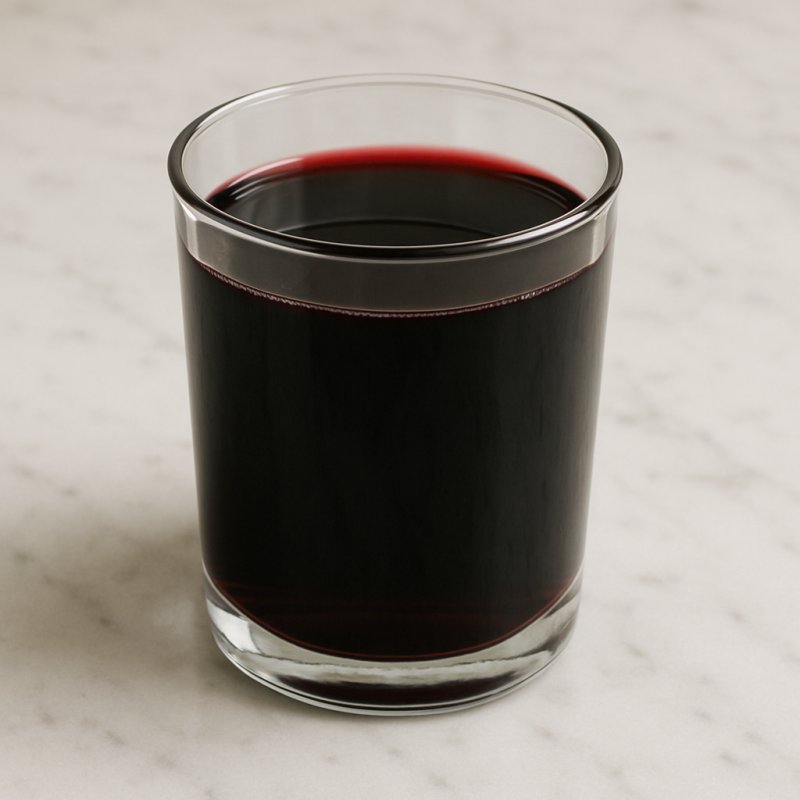
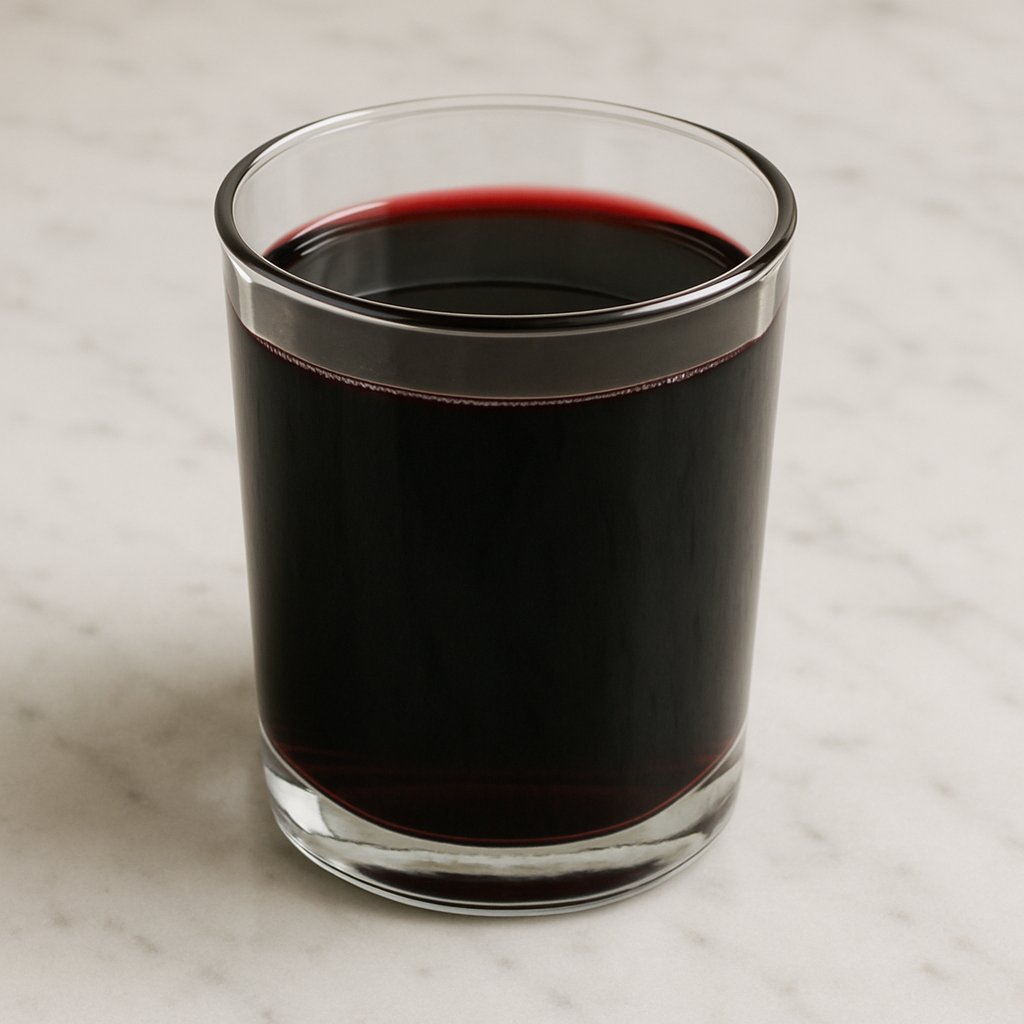
Glass of elderberry juice
I still remember well the summer when I first enjoyed elderberry juice. It was a bright sunny day, and I was sitting in the garden with friends when one of them produced a bottle of this deep purple elixir. The taste was a revelation! Fresh, fruity and with a slight, pleasant sweetness that immediately captivated me. From that moment I knew I wanted to learn more about this wonderful ingredient.

Elderberries are not only delicious but also very healthy. They are rich in vitamins, especially vitamin C, and antioxidants that strengthen our immune system and help us stay fit. They are also known to have anti-inflammatory properties. So when I enjoy a glass of elderberry juice, I have a small health elixir in my hand.

A colleague of mine, an enthusiastic hobby gardener, once decided to plant his own elderberry bush in the garden. I was skeptical, as I mainly knew elderberries from the supermarket. But after a few months the bush was bursting with juicy, dark berries. It was a sight that inspired me to get involved myself. We picked the berries, and I helped him make the first homemade elderberry juice. The whole procedure was huge fun! We cooked the berries with water and sugar and filtered the juice through a fine cloth. The scent that arose was simply heavenly.

What I especially appreciate about elderberry juice is its versatility. Whether as a refreshing drink on warm days, as a base for cocktails or even as an ingredient in savory dishes – the possibilities are endless. I once tried a recipe for elderberry sorbet that was not only tasty but also very easy to make. You can simply freeze the juice with some water and sugar and then fluff it up with a fork. A perfect summer dessert!

If you have never tried elderberry juice, I can only advise you to try it! Whether homemade or store-bought, this juice brings not only color but also flavor to your kitchen. So, now I am curious about your stories and experiences with this wonderful ingredient. Let yourself be inspired and discover the world of elderberry juice!

Availability & types

Elderberry juice is a delicious drink made from the small, dark berries of the elder tree. To learn more about this tasty ingredient, let's look at where elderberries come from, where they are grown and which different varieties and forms exist.

Origin of the elder

The elder tree, also known as Sambucus nigra, is a shrub that grows in many parts of the world. Originally it comes from Europe, but it is also found in parts of Asia and North America. In the wild elder often grows at roadsides, in forests or in gardens. The berries are small, but they have a great, sweet taste that delights many people.

Growing regions

In Germany the elder is very popular and is planted in many gardens. The best conditions for elder growth are sunny spots with well-drained soil. Elder bushes are quite hardy and can thrive in various climate zones. They are often found in:

  • Gardens
  • Forests
  • Parks
In recent years many people have started growing elder themselves, since the berries are not only tasty but also healthy. They are rich in vitamins and antioxidants, making them a great ingredient for juices and other drinks.

Available varieties and types

There are different kinds of elder that can vary in taste and color. The most well-known are:

  • Black elder: This variety has the dark berries we use for the juice. They have an intense flavor and are the most common choice for making elderberry juice.
  • Red elder: These berries are also edible, but they taste a bit different and are less common. They are often used in jams or jellies.
In addition there are many different products made from elderberries. Besides the classic elderberry juice there are also:

  • Elderflower syrup: This is a sweet syrup made from the flowers of the elder tree. It can be used in drinks or desserts.
  • Elderberry liqueur: An alcoholic drink made from elderberries and often very aromatic.
  • Elderberry jam: A tasty way to enjoy the berries in winter.
In most supermarkets or health food stores you can buy elderberry juice. You often find it in bottles or as a syrup to mix with water. Many people love to enjoy elderberry juice in a glass with ice cubes, especially on warm days.

In summary, elderberry juice is a great ingredient that is not only tasty but also healthy. It is important to know where elderberries come from and how they are grown.
Details & nutrition

Property Value
Unit ml
Calories per 100 60
Protein per 100 0.5
Carbohydrates per 100 15
Sugar per 100 12
Fat per 100 0.1
Saturated fat per 100 0
Monounsaturated fat 0
Polyunsaturated fat 0
Fiber per 100 0
Vitamin C (mg) per 100 40
Vitamin D (IU) per 100 0
Calcium (mg) per 100 10
Iron (mg) per 100 0.1
Nutri-Score B
CO₂ footprint 0.2
Origin Europe
Gluten-free Yes
Lactose-free Yes
Nut-free Yes
Vegan Yes
Note Elderberry juice is rich in antioxidants and has a positive effect on the immune system.

Technical & scientific information

Elderberry juice is a popular beverage made from the berries of the elder tree (Sambucus nigra). These small, dark berries are known not only for their sweet-and-sour taste but also for their various health benefits and rich chemical composition. The use of elderberries goes back to antiquity, where they were used both in traditional medicine and in cooking.

Chemical composition and constituents
Elderberries are rich in bioactive compounds that are responsible for their health benefits. The most important constituents include:

  • Flavonoids: These antioxidants, such as quercetin and kaempferol, help reduce inflammation and combat free radicals in the body.
  • Vitamins: Elderberries are an excellent source of vitamin C, which strengthens the immune system and acts as an antioxidant. They also contain B vitamins, which are important for energy metabolism.
  • Minerals: The minerals contained include potassium, calcium and iron, which are essential for various bodily functions.
  • Fiber: These contribute to digestive health and support blood sugar regulation.
Nutritional values
The nutrient density of elderberries is remarkable. Per 100 grams of fresh elderberries there are approximately:

  • Calories: 73 kcal
  • Protein: 0.66 g
  • Fat: 0.33 g
  • Carbohydrates: 18.4 g
  • Fiber: 7 g
These values can vary depending on the processing method, especially if sugar or other ingredients are added.

Processing methods
The production of elderberry juice takes place in several steps:

  • Harvest: The berries are usually harvested in late summer or early autumn when they are ripe.
  • Cleaning: After harvest the berries are thoroughly washed to remove dirt and insects.
  • Pressing: The berries are then crushed and pressed to extract the juice. This can be done by mechanical pressing or by cooking the berries, followed by straining.
  • Pasteurization: To increase shelf life the juice is often pasteurized to kill harmful microorganisms.
  • Bottling: The finished juice is bottled into bottles or other containers and stored refrigerated.
Health aspects
Elderberry juice is often used as a home remedy for colds and flu. Studies have shown that the antioxidants contained in elderberries have anti-inflammatory and immune-boosting properties.

Wiki entry for: elderberry juice
Active now: 26 visitors of which 2 logged-in members in the last 5 minutes