Menu & categories

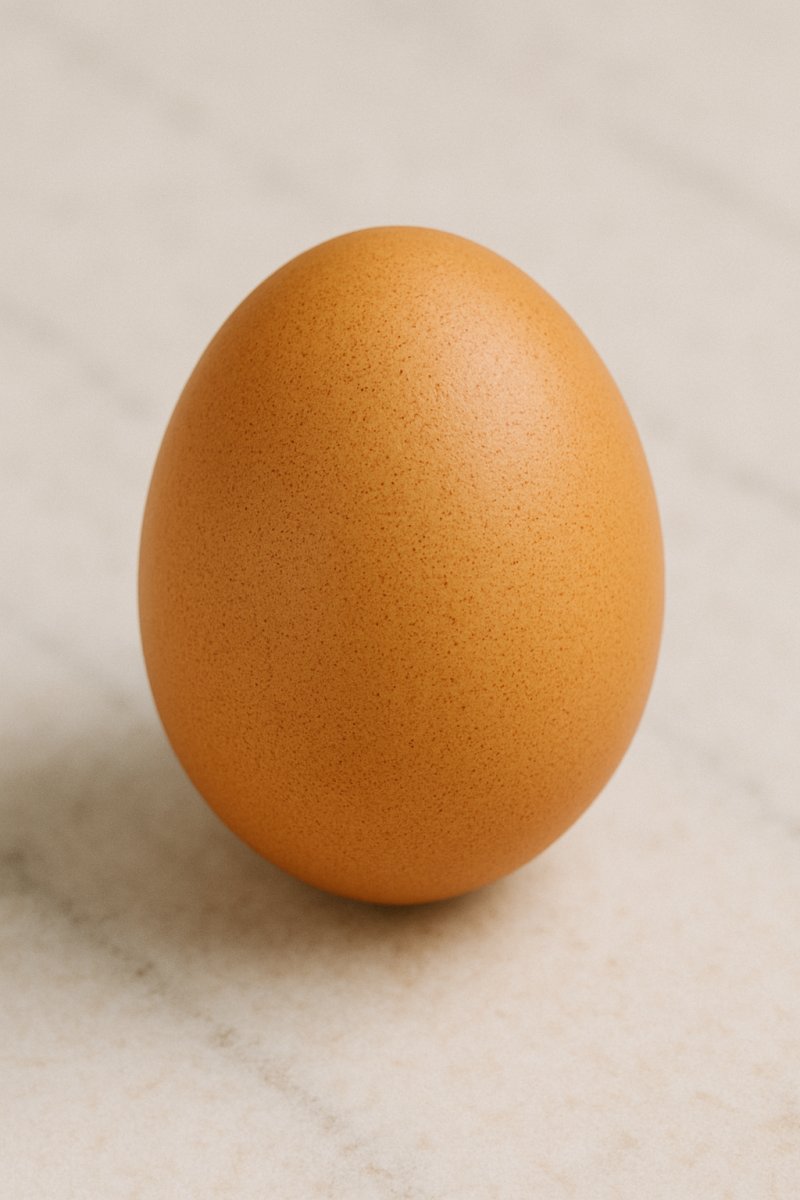
Egg

Versatile source of protein with valuable micronutrients.

Wiki about egg Nutri-Score B Vegan No Gluten-free Yes Lactose-free Yes Nut-free Yes
NUTRITION / 100 g
143 kcal 12.6 g Protein 0.7 g Kohlenhydrate 9.5 g Fett

Introduction

Egg
I have a long love affair with the egg, and it begins anew every time I open the refrigerator and see those small, unassuming shells. For me the egg is a culinary chameleon: it can be tender and foamy, creamy and velvety, or crisp and firm. I still remember a rainy afternoon when I saved a soufflé in a tiny kitchen because I knew exactly how to whip egg whites properly. That feeling when the mixture is perfect is indescribable.

The egg consists of shell, egg white and yolk, and each component has its own talents. The yolk is a natural emulsifier and makes sauces like hollandaise incomparably smooth. The egg white traps air and provides volume in meringue or when whipping sponge batter. Together they are indispensable in so many techniques that a kitchen without eggs seems almost unthinkable.

On my travels I have seen how differently people handle eggs. A colleague of mine swears by his grandmother's pudding‑like scrambled eggs, while a friend in southern Europe celebrates a soft‑boiled breakfast egg with coarse sea salt every morning. Such rituals show how much culture and memory can be contained in a single egg.

Practical tips that have helped me in everyday life:

  • Freshness can be tested with water: fresh eggs sink, old ones float.
  • A clean, grease‑free spoon helps when separating yolk and white.
  • For even cooking, eggs should be at room temperature.
  • Observe salmonella precautions: for sensitive people cook eggs thoroughly.
Whether fried, poached, as meringue or in a creamy zabaglione: the egg remains for me a small miracle of the kitchen, constantly offering new possibilities while also providing familiar moments of comfort. I hope it creates such moments for you as well.

Availability & types

Availability and types

An egg usually comes from the domestic chicken, which people have kept for a very long time. Originally chickens lived in Southeast Asia and were domesticated because they lay eggs regularly. Today there are chicken farms around the world – from small farms in your neighborhood to large operations in other countries. This means: eggs are almost always available, year‑round, because chickens do not lay only in one season.

Where the eggs in the supermarket come from exactly can vary. Some are from nearby farms, others are produced in large regions and distributed widely. In Europe or Germany, for example, there are many farms that supply eggs. In warm countries like Spain or Brazil there are also large quantities of eggs. The important point is: you can buy eggs in many shops – from a small market stall to a big supermarket or at the weekly market directly from the farmer.

There are different categories and variants of eggs. These help you know how the chickens were kept or what size the egg is. Here are the most important ones, simply explained:

  • Organic eggs: the hens receive organic feed and have more space to move. It's similar to a child having plenty of playground space at school.
  • Free‑range eggs: these hens are allowed outside during the day, onto a meadow or yard. They have more variety in their lives than animals kept only indoors.
  • Barn‑raised: hens live in barns but can move freely inside the barn. It's like a large room where they can walk around.
  • Cage farming / small group housing: here the hens have less space. In many countries very tight cages are banned or restricted because animal welfare is important.
  • Sizes: eggs come as S, M, L, XL – this only indicates how large and heavy the egg is. For a cake you might prefer L or XL.
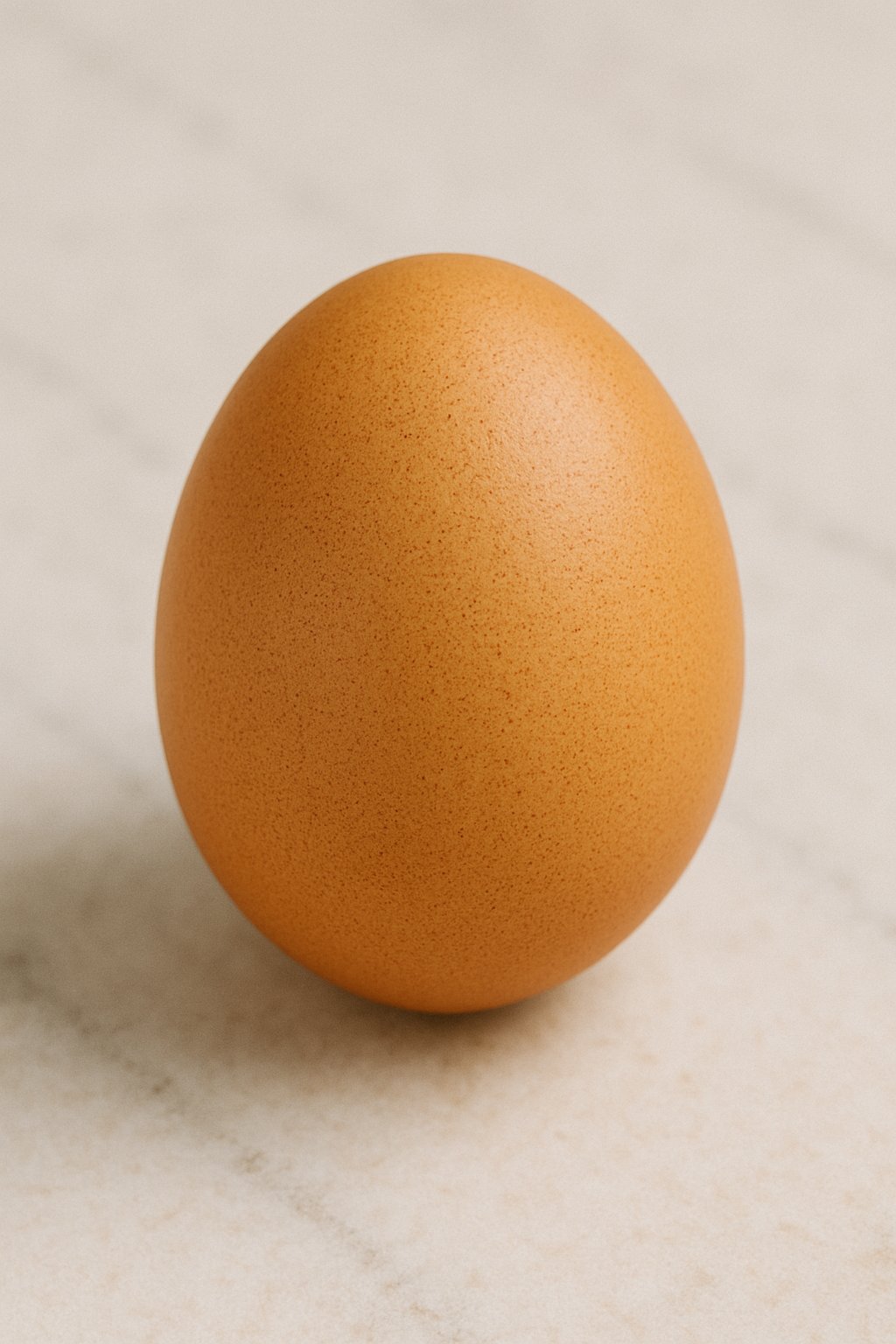
  • Colors: eggs can be white, brown or even slightly greenish. The color depends on the chicken breed, but they usually taste the same.
  • Special egg types: duck eggs, goose eggs or quail eggs can sometimes be found at the market. They are only different in size or have a different taste.
  • Pasteurized eggs: sometimes eggs are briefly heated so that bacteria are reduced. It's similar to washing hands – it makes the egg safer, especially for people who like raw ingredients.
Simply put: the labels on the packaging give information. They state whether an egg is organic, whether it comes from free‑range, what size it is and often also a code that reveals the origin. If you need an example: an organic egg is like a sandwich where you know exactly what is inside and where the ingredients come from.


In summary, eggs are very easy to obtain and there are many variants – from the common chicken to special types like quail eggs. The choice often depends on how much space the hens had, whether you want organic or what size you need. If you look at the packaging you will find the main indications so you can choose the egg that suits you.
Details & nutrition

Property Value
Unit g
Average weight per piece 58
Calories per 100 143
Protein per 100 12.6
Carbohydrates per 100 0.7
Sugar per 100 0.4
Fat per 100 9.5
Saturated fat per 100 3.1
Monounsaturated fat 3.6
Polyunsaturated fat 1.9
Fiber per 100 0.0
Vitamin C (mg) per 100 0.0
Vitamin D (IU) per 100 87
Calcium (mg) per 100 56
Iron (mg) per 100 1.8
Nutri-Score B
CO₂ footprint 0.48 kg CO2e/100 g
Origin Germany/EU (depending on husbandry and origin)
Gluten-free Yes
Lactose-free Yes
Nut-free Yes
Vegan No
Note Nutritional values refer to the whole egg (without shell). Raw consumption is recommended only with caution for risk groups.

Technical & scientific information


Egg in food science and culinary contexts primarily refers to the chicken egg, which is a versatile ingredient due to specific chemical and physical properties. A chicken egg consists of an outer shell, two thin shell membranes, the egg white (albumen) and the egg yolk (yolk). The shell is composed mainly of calcium carbonate and serves as a physical barrier against microorganisms, while the internal structures contain water, proteins, lipids, vitamins and minerals.

Chemical composition and nutritional values: an average egg (approx. 50 g) provides about 70 kcal. The macronutrient distribution includes roughly 6–7 g of high‑quality protein, about 5 g of fat and under 1 g of carbohydrates. The egg white is about 90% water and about 10% proteins, including ovalbumin, ovotransferrin, lysozyme and avidin. The yolk contains lipids (triglycerides, phospholipids such as lecithin), cholesterol (typical value around 180–200 mg per large egg) as well as fat‑soluble vitamins.

Key micronutrients: eggs are rich in vitamins A, D, E and K as well as B‑vitamins like B12, riboflavin and folate. Mineral salts such as iron, phosphorus and selenium are also present. The yolk also provides choline, which is important for neural functions, and compounds like lutein and zeaxanthin, which have antioxidant properties relevant to eye health.

Proteins and digestion: the proteins in eggs have a high biological value; their amino acid profile meets human requirements very well. Digestibility increases with heat because thermal denaturation makes proteins more accessible to proteolytic enzymes. Raw eggs contain avidin, a protein that binds biotin; heating inactivates avidin, removing the risk of a biotin‑deficiency effect.

Functional properties in the kitchen: eggs act as an emulsifier (lecithin in the yolk stabilizes oil‑water systems), as a leavening agent (incorporation of air stabilized by denatured proteins), as a binder, as a fining and foam stabilizer, and as a structure former during gelation. Temperature‑dependent coagulation is central to many preparations: egg white begins to set at around 62–65 °C, yolk at about 65–70 °C.

Processing methods and technical aspects: industrial and domestic processes include pasteurization (liquid eggs or in‑shell, to reduce Salmonella), drying to whole‑egg powder, and separation of white and yolk. During heating, Maillard reactions and protein denaturation occur, affecting texture, flavor and color. When whipping egg whites, denatured proteins stabilize foam structures, and acidity (e.g. vinegar) can increase foam stability.

Health aspects and safety: Salmonella enterica is considered the most important microbiological risk in eggs; safe storage, adequate cooking and pasteurization greatly reduce this risk. Allergies to chicken egg proteins are especially common in children, with most patients developing tolerance during childhood. The role of eggs in blood cholesterol balance is individual; for the majority of the population moderate egg consumption has only limited effects on cardiovascular risk, depending on the overall dietary pattern.

Storage and quality: shelf life depends on storage conditions. In countries where eggs are washed and thus the natural protective coating is removed, refrigeration is common. Intact shells and a centered yolk are indicators of fresh eggs. Sensory and microbiological tests are used in production for quality control.

In summary, the egg is a technically and biochemically well‑characterized ingredient with pronounced functional properties, high nutritional value and specific safety requirements. Its versatility in gastronomy and food technology is based on clearly definable physico‑chemical processes that are both nutritionally relevant and culinarily useful.
Wiki entry for: egg
Active now: 6 visitors of which 2 logged-in members in the last 5 minutes