Availability and types of egg yolk
Egg yolk is the yellow core of a chicken egg and therefore easy to obtain in most parts of the world. If you go to a supermarket, a farmers' market or even small village shops, you'll find eggs, and inside them is the yolk. Eggs mostly come from chickens, so the "growing areas" are actually farmyards or poultry farms. These farms can be very small — perhaps just a few chickens in a garden — or very large with many chickens in a barn. In rural areas fresh farm eggs are particularly popular because you often know exactly how the chickens are kept.
Yolk is available in different forms and qualities. Here are the main types explained in simple terms:
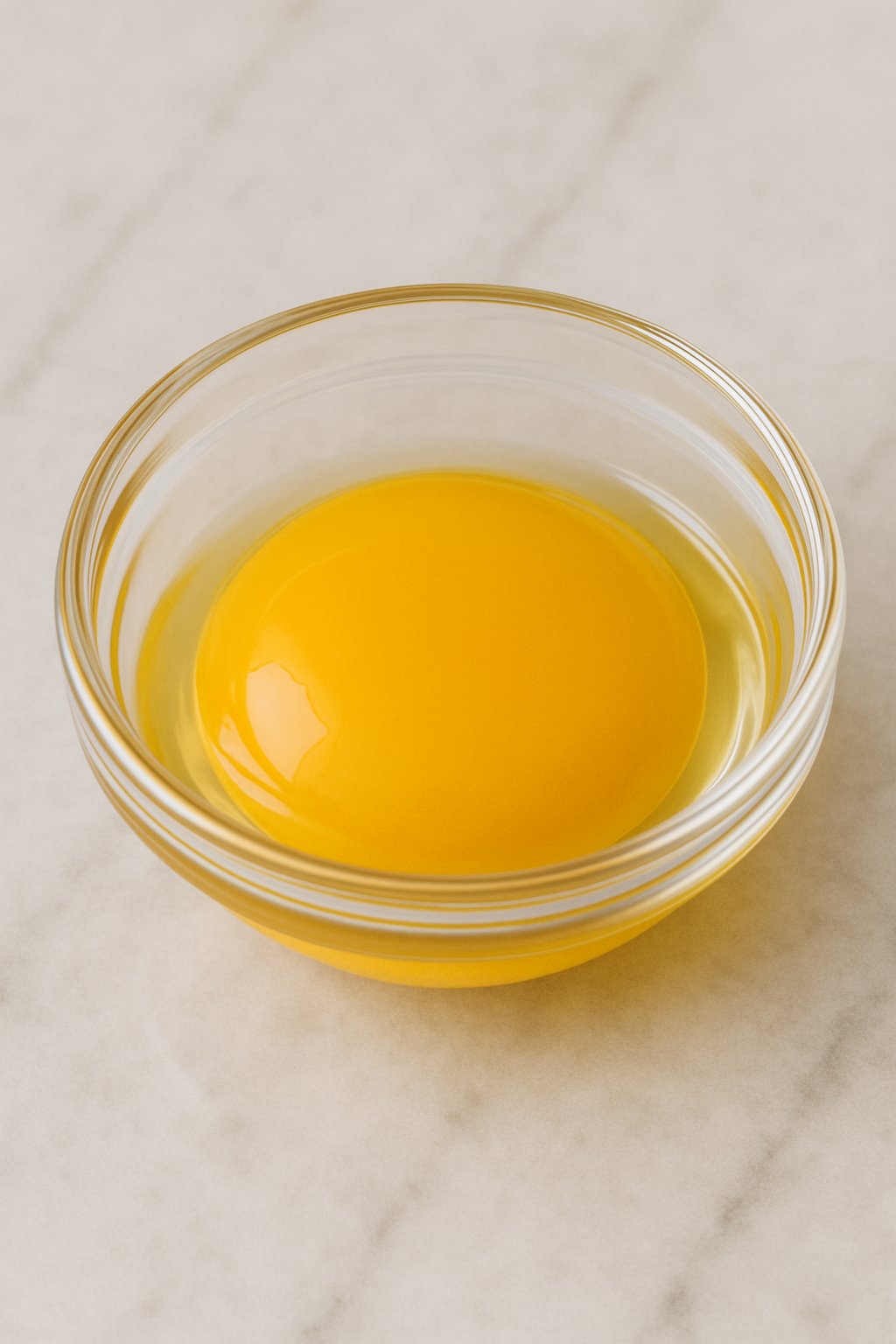
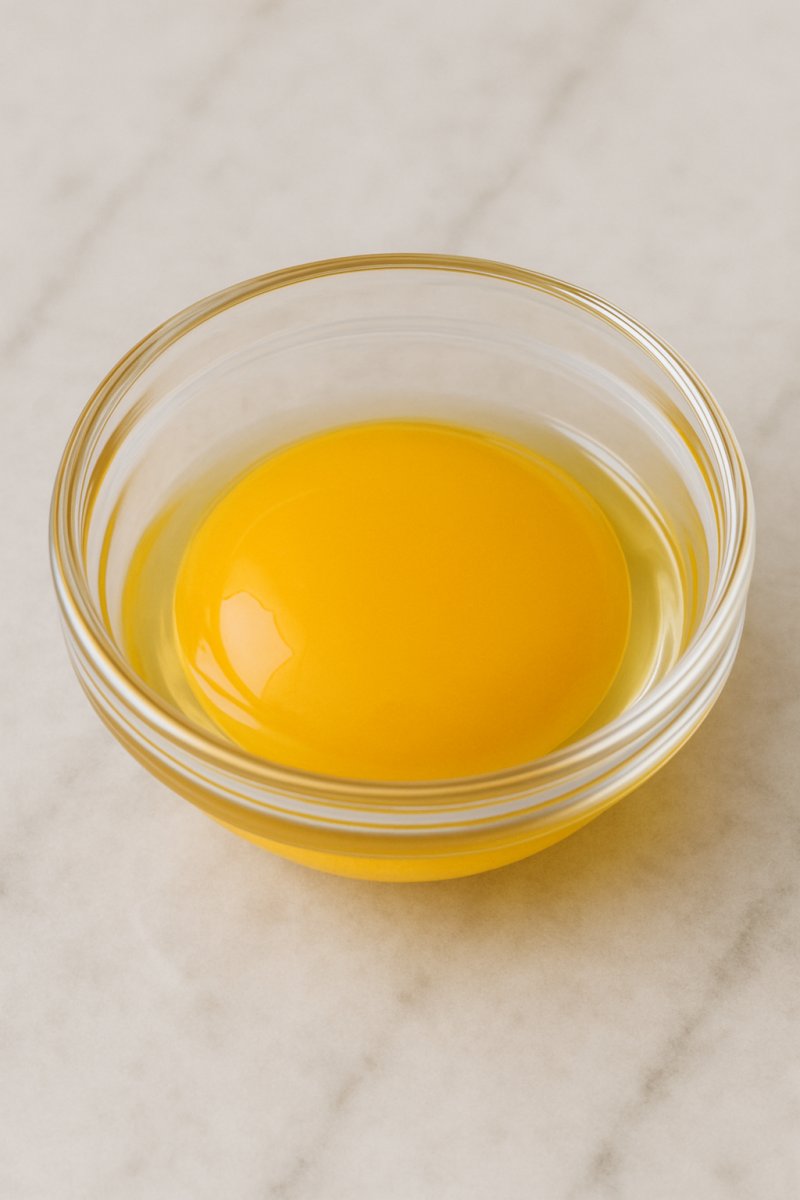
- Fresh yolk: this is the yolk from a regular fresh egg. You crack the egg and separate the yellow (yolk) and the white (albumen). Fresh yolk is soft, round and brightly yellow or orange. It is suitable for baking, cooking and for sauces.
- Pasteurized yolk: sometimes the yolk is briefly heated so that most microbes (that is, tiny invisible organisms that can make you ill) are killed. This is called pasteurization. Pasteurized yolk is safer to eat when you want to use it without fully cooking it, for example in some desserts or creamy sauces.
- Dried yolk / powdered yolk: the yolk is dried and processed into a powder. This powder is practical when you don't have fresh eggs on hand or want long storage. You simply mix the powder with water and it becomes liquid again.
- Preserved yolk: in some countries there are also pickled or preserved eggs in which the yolk is kept longer in a special solution. These variants are less common than fresh or dried forms.
Besides the form of the yolk, the way the hen was kept also affects quality. Here are a few terms that can help you understand eggs better:
- Free-range: the hens are allowed to roam outdoors. This often leads to more intense yolks because the hens have a more varied diet and more exercise.
- Barn (barn housing): hens live in barns but not in tight cages. They have space inside the barn but no daily access to the outdoors.
- Cage housing: here hens used to have very little space. Many countries have restricted this because it is not good for hen welfare. Eggs from cage systems are now less common or labeled.
- Organic eggs: these eggs come from hens fed and kept according to special rules. This often means better feed and more space. Many people believe organic eggs have a more intense yolk.
Yolk colors can vary: some eggs have pale yellow yolks, others are more orange. This color depends on what the hens ate — for example corn, greens or special grains. A dark orange yolk is not automatically healthier, but many people find it more appetizing.
In supermarkets you can usually buy yolk as whole eggs or sometimes already separated in small containers (especially practical for bakers or in the catering trade). Pasteurized yolk or yolk powder is more likely to be found in larger supermarkets or specialty stores.
In summary: yolk is widespread and available in various forms — fresh, pasteurized, dried or preserved. How the hens are kept (free-range, barn, organic) influences the quality and sometimes the color of the yolk. If you're unsure, ask in the store or check the packaging: it often states how the hens were kept and whether the yolk is pasteurized. That way you find exactly the type of yolk you need.