Menu & categories

Drinking chocolate

Powder for preparing a cocoa-containing hot beverage

Wiki about drinking chocolate Nutri-Score D Vegan Yes Gluten-free Yes Lactose-free Yes Nut-free Yes
NUTRITION / 100 g
380 kcal 5.0 g Protein 80.0 g Kohlenhydrate 4.5 g Fett

Introduction

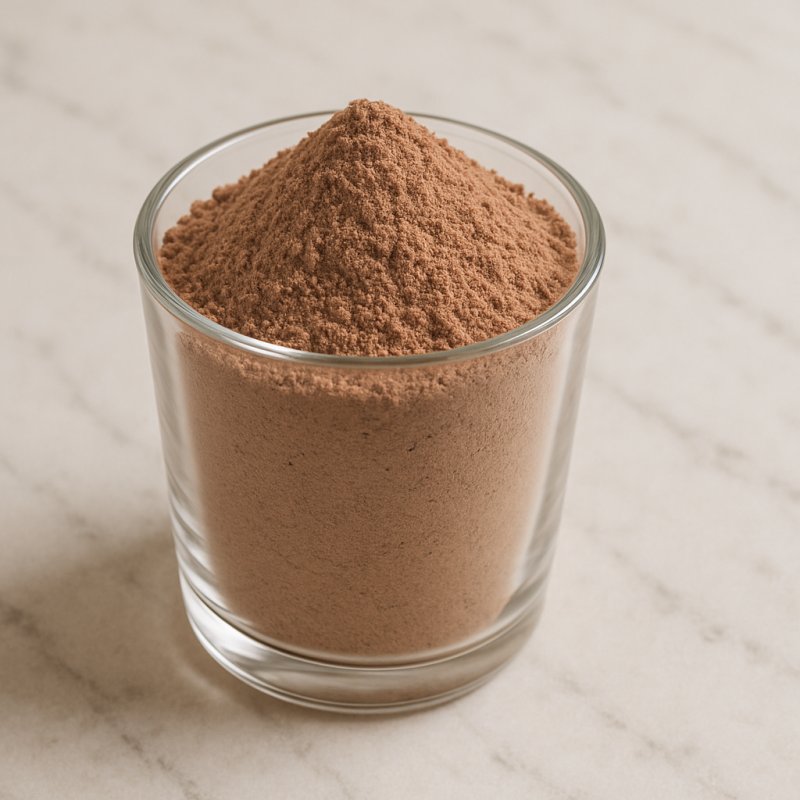
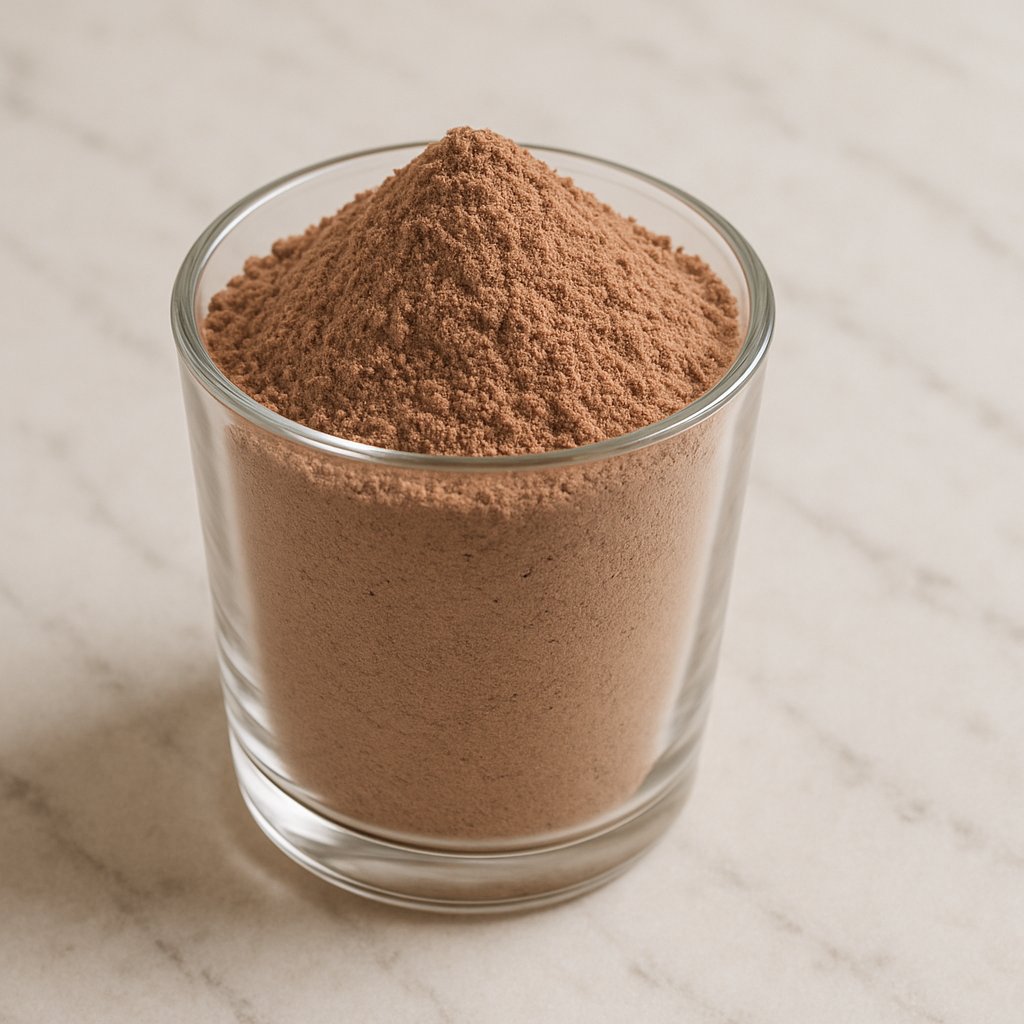
Powdered drinking chocolate in a bowl next to a cup of cocoa
I have a secret weakness: drinking chocolate. When I think of rainy afternoons or the tiny cafés in European old towns, the scent of melted chocolate, vanilla and a pinch of cinnamon immediately comes to mind. Drinking chocolate is for me more than a drink; it is memory, comfort and a small celebration in a cup. Once I had to stop on the spur of the moment because a market stall smelled so delicious that I treated myself to a cup and ended up discussing cocoa beans with complete strangers.

What makes drinking chocolate special is its versatility. It can be thick and creamy like a warm chocolate cream or airy and light like a cocoa kiss. In my kitchen there are always several variants: the quick mix for hectic mornings, a luxurious preparation with real couverture for Sundays and a vegan version with oat drink that even convinced my sceptical friend. A colleague once brought a homemade spice mix – dark chocolate, chili and orange zest – and since then I like to experiment with unusual combinations.

The ingredient list is surprisingly simple: good chocolate or cocoa powder, milk or a plant-based alternative, some sugar and often a small pinch of salt to lift the flavours. I have learned that the quality of the chocolate sets the tone; a high-quality cocoa reveals notes of nut, berry or caramel that industrial powdered mixes rarely reach. When frothing I make sure not to overheat so that the bittersweet notes do not burn.

  • Quick: cocoa powder, hot water, milk, sugar.
  • Indulgent: finely chopped couverture, warm milk, vanilla, lightly salted.
  • Spicy: cinnamon, chili, orange peel or cardamom to taste.
Drinking chocolate brings people together. It is the drink that slows conversations, makes gestures smaller and glances more relaxed. I remember evening gatherings where we passed cups around like good news. For me, drinking chocolate remains a small ritual that turns everyday life into enjoyment and continually offers new variations.

Availability & types

Availability and types

Drinking chocolate is a popular ingredient that can be bought in many countries around the world. It is usually made from cocoa powder or melted chocolate, sometimes with added sugar or milk powder. Cocoa – the basic ingredient of drinking chocolate – grows on cocoa trees, which thrive mainly in warm, humid areas near the equator. Well-known growing regions are West Africa (for example Côte d'Ivoire and Ghana), South America (such as Ecuador and Brazil) and parts of Southeast Asia (for example Indonesia).

You can think of it like apples: apples grow in cooler regions, whereas cocoa-like fruits need warm air and lots of rain. That is why cocoa plantations are found in countries that are consistently warm.

If you look for drinking chocolate in the store, you will find different types and variants, for example:

  • Cocoa powder: this is a dry powder that you mix with hot milk or water. It is convenient because it keeps a long time and you can control the sweetness and thickness yourself.
  • Instant drinking chocolate: pre-mixed with sugar and sometimes milk components. You simply stir it into warm milk – quicker and easier for children.
  • Chocolate pieces or flakes: sometimes there are bars or shavings that you melt into hot milk. This produces a particularly creamy, rich chocolate.
  • Ready-to-drink beverages: there are also ready chocolate drinks in bottles or cans that can be drunk cold or hot. Convenient for on the go.
  • Vegan or lactose-free: for people who cannot or do not want to consume milk, there are variants with plant-based milks (e.g. soy, oat or almond) or pure cocoa mixes without milk components.
  • Flavoured: vanilla, cinnamon or even chili may be added. These additions change the taste, similar to how you might refine a drink with honey or cinnamon.
Availability depends on where you live: in cities and larger supermarkets you will usually find a wide selection. In smaller shops the range can be more limited, but there is usually at least a cocoa powder or an instant mix. In specialty shops, health food stores or online you can find more unusual varieties, fair-trade products or particularly high-quality dark drinking chocolates.

An important word is "fair trade". This means that when buying, attention is paid to ensuring cocoa farmers receive a fair price. It's like wanting the people who pick the apples for your apple pie to be paid well.

In summary: drinking chocolate comes in many forms – dry powder, instant mixes, chocolate pieces for melting or ready drinks. The raw materials mostly come from warm countries near the equator, and in shops you can find simple or special variants depending on how strong, sweet or milky you like your drink. When buying, look out for labels like "vegan" or "fair trade" if you want to avoid certain ingredients or support the producers.
Details & nutrition

Property Value
Unit g
Calories per 100 380
Protein per 100 5.0
Carbohydrates per 100 80.0
Sugar per 100 75.0
Fat per 100 4.5
Saturated fat per 100 2.7
Monounsaturated fat 1.2
Polyunsaturated fat 0.6
Fiber per 100 6.0
Vitamin C (mg) per 100 0
Vitamin D (IU) per 100 0
Calcium (mg) per 100 60
Iron (mg) per 100 4.0
Nutri-Score D
CO₂ footprint 3.0
Origin Varies by manufacturer; often a blend of cocoa from overseas and sugar from Europe
Gluten-free Yes
Lactose-free Yes
Nut-free Yes
Vegan Yes
Note Values refer to commercially available, sugar‑sweetened drinking chocolate powder without added milk ingredients; nutritional values may vary significantly depending on brand and recipe.

Technical & scientific information

Drinking chocolate refers to a powder- or granule-form product intended for preparing a hot or cold beverage with a pronounced chocolate flavour. The basis is cocoa powder and sugar; commercial blends additionally contain fat-based carriers, milk components, emulsifiers, flavourings and, where applicable, thickeners. Drinking chocolate differs from cocoa powder in that it is often already sweetened and optimised for an immediately creamy consistency.

Chemical composition and main ingredients: The characteristic components are:

  • Cocoa powder: contains cocoa constituents such as theobromine, traces of caffeine, polyphenols (particularly flavanols) and cocoa-specific lipids. The proportion of soluble and insoluble solids varies with processing.
  • Sucrose and/or sweeteners: provide energy in the form of carbohydrates and largely determine sensory perception.
  • Fat components: often milk fat, vegetable fats or cocoa-butter-like fats, which influence texture, mouthfeel and solubility.
  • Milk components: milk powder or milk proteins increase protein content, improve foam formation and contribute to a fuller delivery of flavour compounds.
  • Emulsifiers such as lecithin improve mixability with water or milk by reducing surface tension.
  • Flavourings and stabilisers: vanillin or natural flavours to round off the taste; thickeners such as starch or guar gum can provide a creamier consistency.
Nutritional profile: The exact nutritional values depend on the recipe and portion size. Typically, drinking chocolate contains per 100 g a high proportion of carbohydrates (mainly sugar), a moderate to high fat content and small amounts of protein. Micronutrients such as iron, magnesium or calcium may be present in varying amounts, particularly if milk powder has been added. The energy content is relatively high due to the sugars and fats, so drinking chocolate is considered more of a treat than a dietary product.

Processing methods: Industrial manufacture includes several steps. First, cocoa mass is separated into cocoa butter and cocoa powder (pressing). Subsequently cocoa powder, sugar and other dry ingredients are mixed; fats and emulsifiers are dosed to ensure a homogeneous powder structure. Fineness and agglomeration are usually adjusted by grinding, drying and, if necessary, agglomeration by spray drying or extrusion so that the product disperses well in liquids.

Physical-technical properties: Important parameters are particle size distribution, moisture content, flowability and solubility. Fine-grained powders generally dissolve better but tend to produce more dust. Brand-specific formulations use agglomeration to achieve faster wetting and better dispersion in cold or warm milk.

Health aspects and active compounds: Cocoa constituents contain bioactive substances such as flavanols (antioxidant activity) and alkaloids like theobromine, which has a mild stimulating effect. Dosage and total intake are relevant: in moderate amounts flavanols may have favourable effects on vascular function; however, the high sugar and fat content can, with regular high consumption, lead to undesired effects such as weight gain and an increased risk of metabolic disorders. People with lactose intolerance or milk allergy should choose varieties without milk components. Interactions with certain medications are rare but can be relevant with high cocoa butter intake.

Sensory properties and use: Drinking chocolate is aimed at a creamy mouthfeel and a balanced sweet-bitter ratio. Different varieties cater to preferences from very mild and gentle to intense and bitter. In addition, drinking chocolate is used as an ingredient in desserts, baked goods or to flavour beverage combinations.

In sum, drinking chocolate is a technically refined food whose properties are deliberately controlled by choice of raw materials, particle size and additives so that consumers receive a reproducible combination of flavour, texture and solubility. Scientific assessment focuses on the nutritional effects of the ingredients and on optimized processes to improve solubility and sensory qualities while preserving relevant bioactive compounds.

Wiki entry for: drinking chocolate
Active now: 24 visitors of which 2 logged-in members in the last 5 minutes