Availability and types of cumin
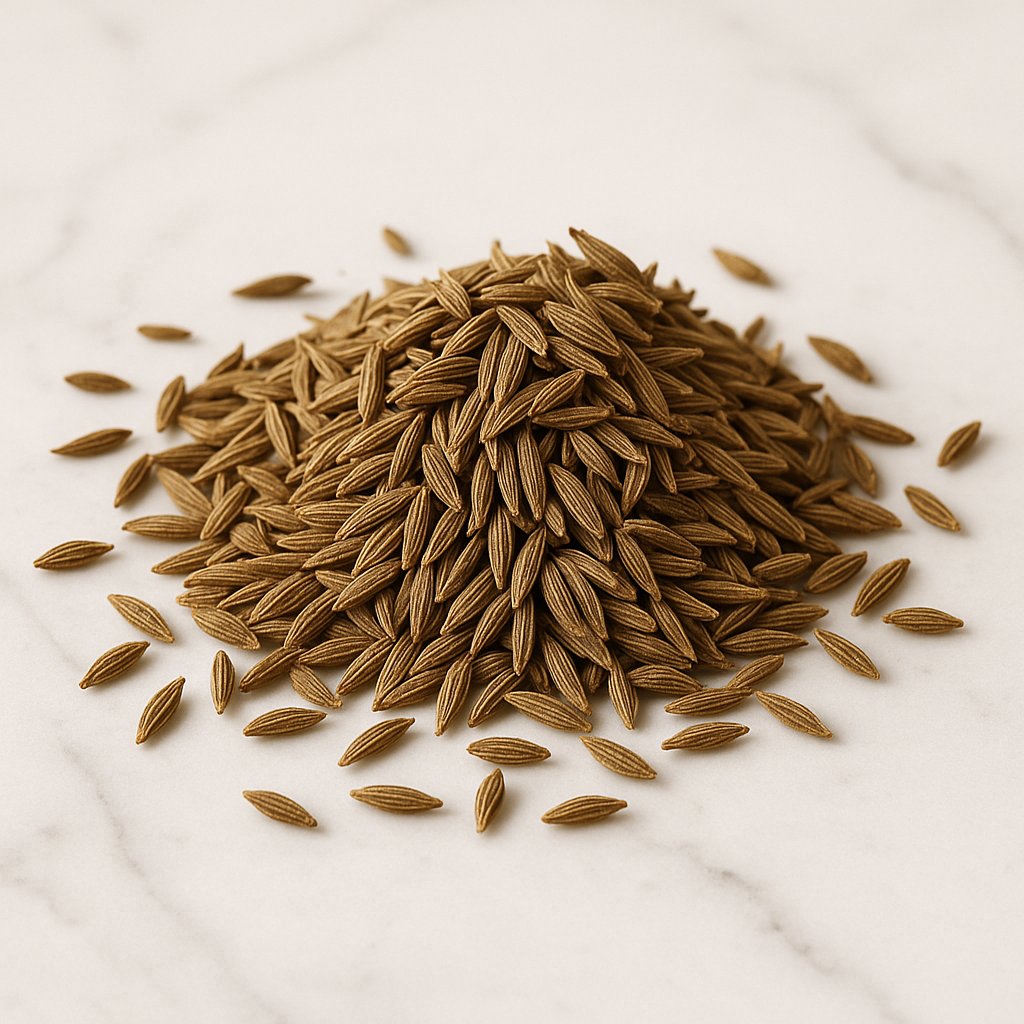
Cumin is a spice obtained from the dried seeds of the plant Cuminum cyminum. It tastes warm, slightly nutty and a bit spicy – many people find it reminiscent of spiced popcorn or a warm autumn smell. Cumin has been grown for thousands of years and originates from the eastern Mediterranean and Western Asia.
Origin and growing regions
Cumin is grown today in many places around the world. Important countries include:
- India: One of the largest producing countries. There, cumin is used a lot in curries and spice blends.
- Iran: Known for particularly aromatic seeds.
- Turkey, Egypt and North Africa: Also have a long tradition of cultivation.
- Mediterranean region: In countries like Spain or Greece cumin is also cultivated.
You can imagine it this way: cumin likes warm and dry conditions, almost like many people who prefer sunny weather. That is why it grows particularly well in regions with lots of sun and not too much rain.
Available types and variants
Cumin is available in different forms that you can find in supermarkets, markets or online. The main ones are:
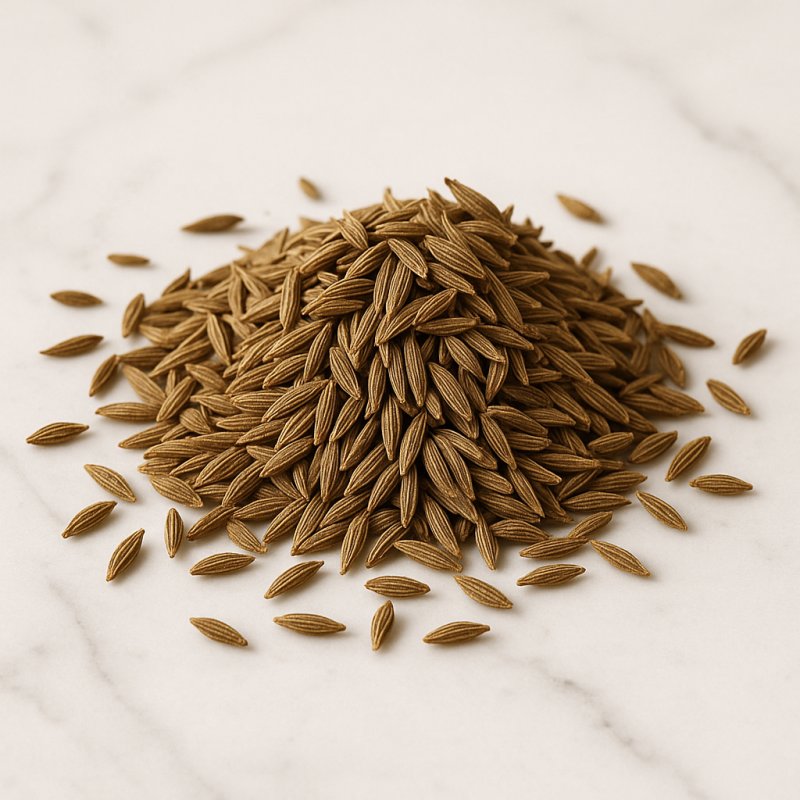
- Whole seeds: These are the small brown seeds. They retain their aroma longer and are well suited for toasting in a pan. Many cooks toast the seeds briefly to make them more aromatic.
- Ground (powder): Convenient because it is ready to use. However, ground cumin loses aroma faster than whole seeds.
- Toasted vs. untoasted: Toasted cumin is darker and tastes more intense. Untoasted tastes milder and is often used earlier in recipes.
- Oils and extracts: There is also cumin oil, which smells very concentrated. This should be used sparingly.
- Organic vs conventional: Organic cumin is grown without synthetic pesticides. The word "organic" is like a label that says: "This was grown according to certain rules intended to be more environmentally friendly."
What to look for when buying
- Freshness: Whole seeds are generally fresh longer than ground powder.
- Smell: Good seeds smell strong and pleasant. If the spice has little smell, it is already old.
- Origin: Some people prefer cumin from certain countries because it often has a particularly strong aroma there.
- Avoid confusions: Caraway (Carum carvi) is different from cumin. Caraway has a sweeter aroma. Also black cumin (Nigella sativa) is not the same and smells very different.
In short: you can get cumin as whole seeds, ground, toasted or untoasted, from many countries like India, Iran or Turkey, and in organic or regular variants. If you want, try toasting whole seeds briefly once – it often makes the flavor even more interesting and intense.