Availability and types of cucumber
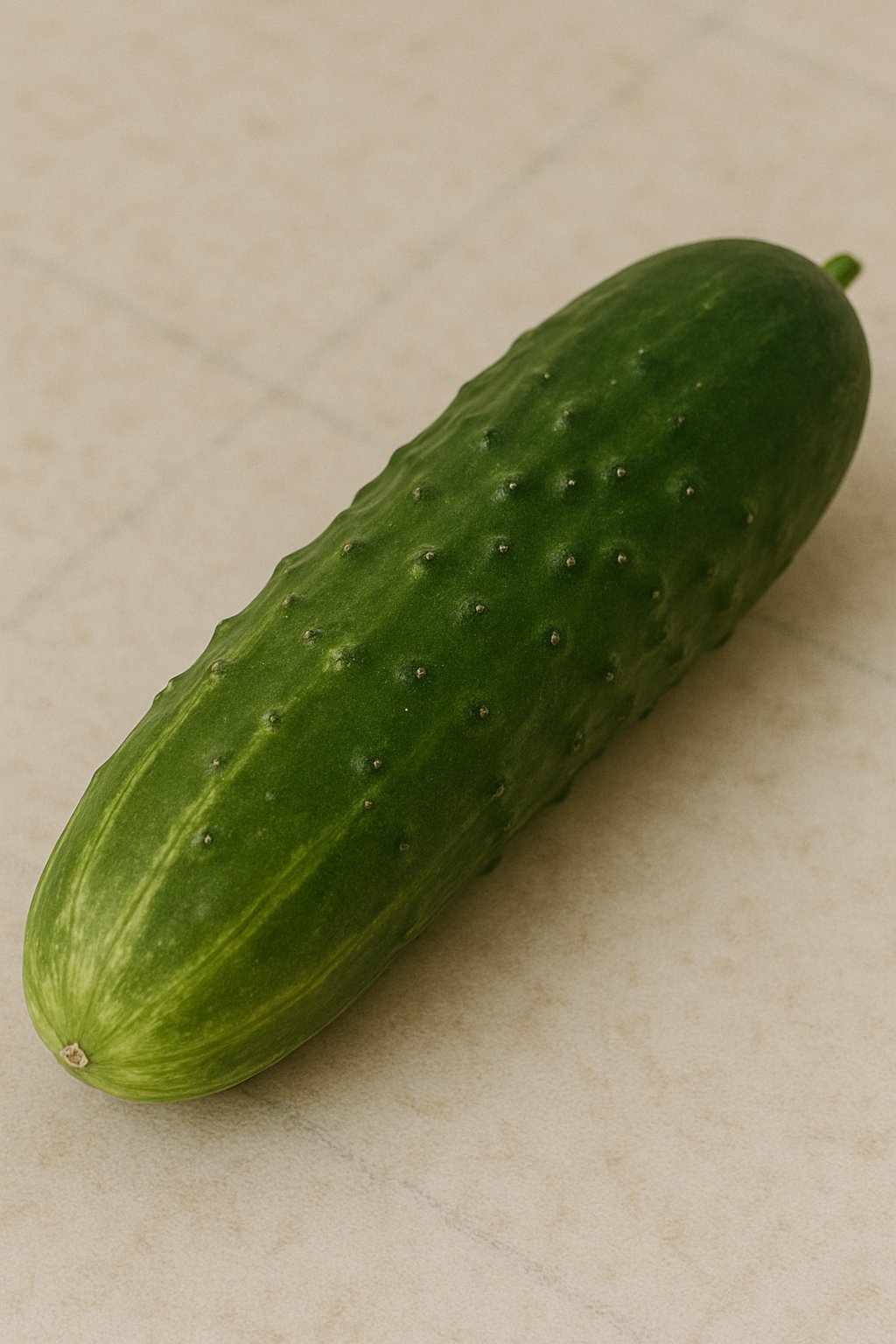
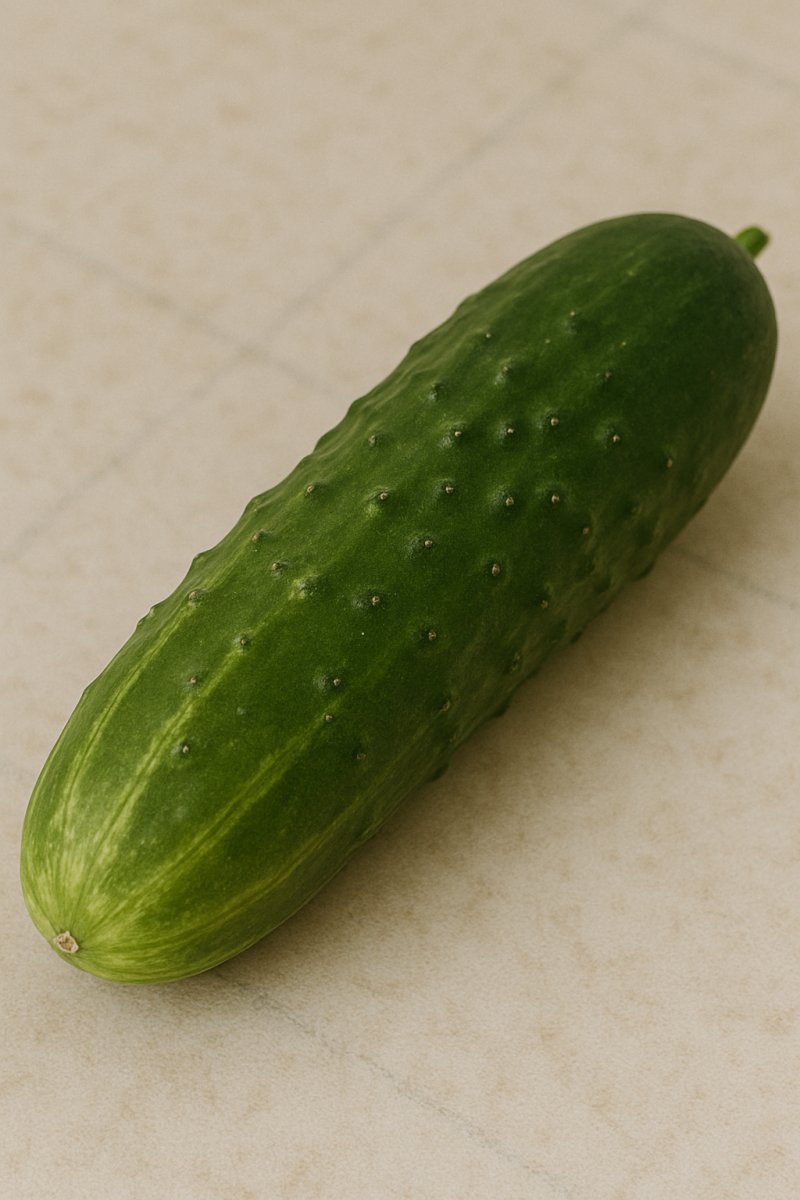
Cucumbers are refreshing green vegetables enjoyed worldwide. They belong to the gourd family, like courgettes, pumpkins and melons. Their availability today is almost year-round in most countries because they are grown both outdoors and in greenhouses. Still, there is a natural season when cucumbers taste best and are particularly inexpensive: in Central Europe this is mainly late spring to early autumn, roughly from May to September. During this time many cucumbers come from regional production. Outside these months they often come from warmer countries or heated greenhouses.
Why are cucumbers available almost always? This is due to modern cultivation methods: greenhouse cucumbers grow in controlled environments with precisely regulated temperature, light and humidity. This allows fresh cucumbers to be harvested even in winter. In addition, cucumbers are often grown in countries with mild climates, for example Spain, the Netherlands or Morocco, and then transported to colder regions. Thanks to fast supply chains they remain fresh, crunchy and juicy.
However, there is not just one “the cucumber”. There are many varieties and types with different shapes, sizes and uses. Some are better for raw eating, others ideal for pickling. Some have a very thin skin, others are spiny or have a waxy coating. Below is an easy-to-understand overview.
Main types of cucumbers on the market
- Long cucumber (salad cucumber)
This cucumber is long, slim and usually 25–35 cm long. It has a smooth, thin skin, few seeds and a mild taste. It is the most common cucumber in supermarkets. Perfect for salads, sandwiches and as a snack. - Mini cucumbers (snack cucumbers)
Small, handy versions of the salad cucumber. They are particularly crunchy, have a thin skin and fit well in lunch boxes. Children like them because they can often be eaten without peeling. - Ein