Menu & categories

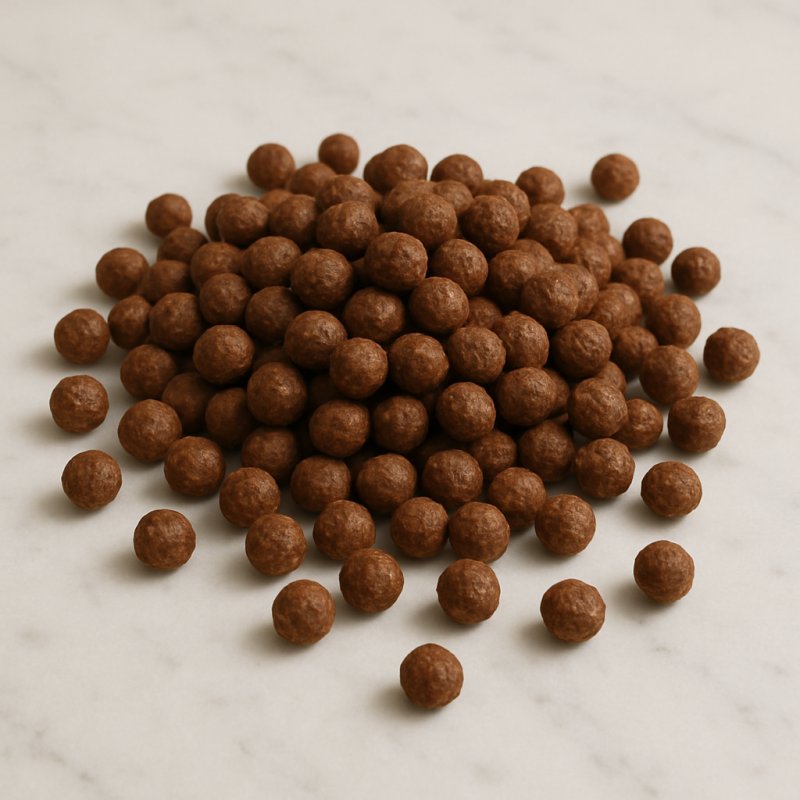
Crispy Pearls

Crispy snacks for in-between moments

Wiki about crunchy pearl Nutri-Score C Vegan Yes Gluten-free No Lactose-free Yes Nut-free Yes
NUTRITION / 100 g
480 kcal 8 g Protein 75 g Kohlenhydrate 20 g Fett

Introduction

A bowl of crispy pearls
I still remember well the first day I discovered crispy pearls. It was a sunny afternoon, and I was sitting with a friend in a small, charming café. We had planned an afternoon full of cakes and stories. Suddenly my eye fell on a bowl of colorful, crispy pearls that sat on the table next to us. Curious, I asked the waiter what it was. He smiled and explained that they were crispy pearls, an ingredient used in many desserts and snacks. From that moment I was fascinated!

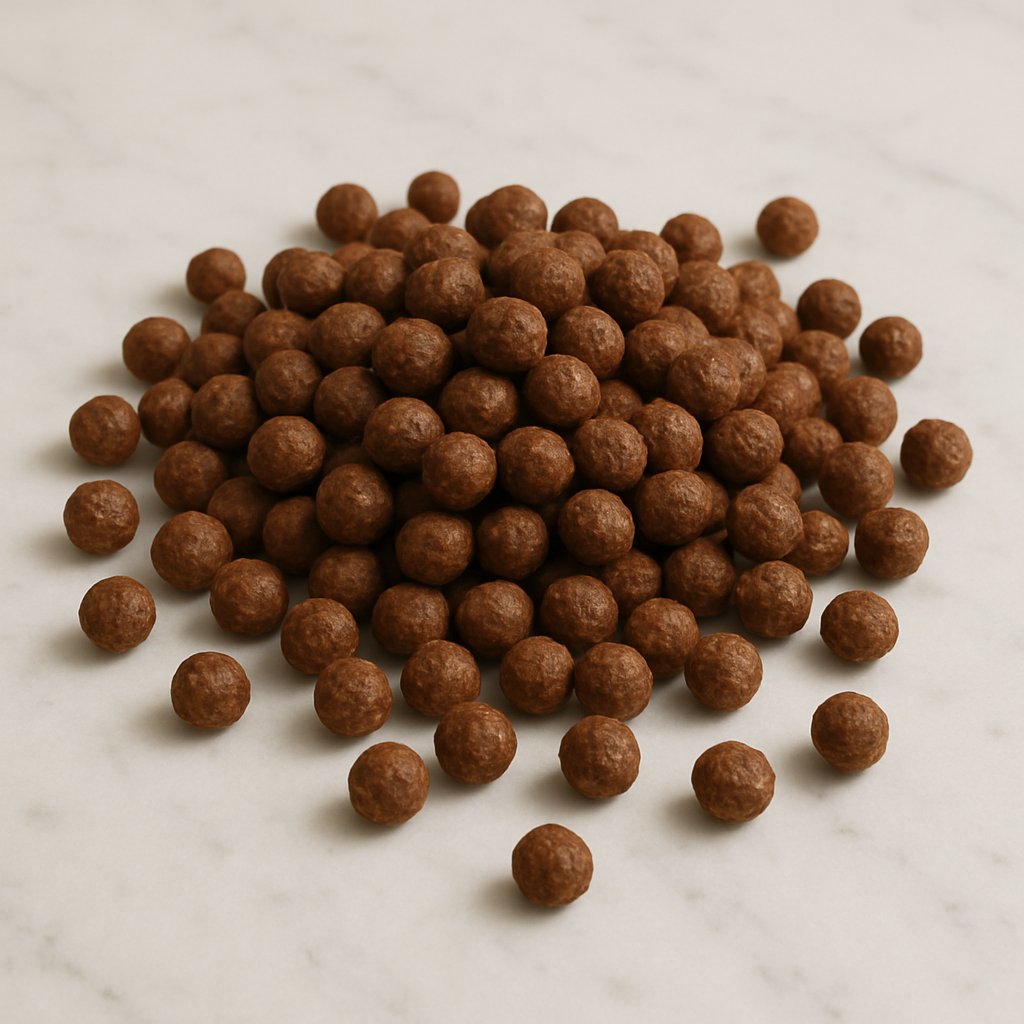
Crispy pearls are small, usually round snacks often made from rice or corn. They are light, airy and have a crunchy texture that makes them a perfect element for various dishes. Whether in mueslis, as a topping for desserts or simply for snacking – these little marvels are incredibly versatile!

A colleague of mine, a passionate amateur baker, recently tried a recipe for a crispy chocolate cake with crispy pearls. He raved about how the pearls not only provided the perfect crunch but also added a touch of sweetness that wonderfully balanced the dark chocolate. I can tell you it was a feast for the senses!

However, the use of crispy pearls goes far beyond desserts. They are excellent as a crunchy component in salads or even as a topping for savory dishes.

  • They give plain yogurt a special kick,
  • or add variety to your muesli,
  • and they are a fantastic addition to homemade energy balls.
Another reason I love crispy pearls is their lightness. They are perfect when I need a small snack between meals without feeling heavy and sluggish. I have even created my own mix of nuts, dried fruit and crispy pearls, which I like to enjoy after training – a small reward that motivates me!

In the world of culinary possibilities, crispy pearls are like little treasures waiting to be discovered. I can hardly wait to find more creative ways to incorporate them into my dishes. Maybe I'll try a recipe for crispy energy bites soon or experiment with savory snacks. One thing is certain: crispy pearls will remain a staple in my kitchen in the future!

Availability & types

The crispy pearls are a popular ingredient in many candies and snacks, known for their crunchy bite and sweet taste. But where do they actually come from and what different types are there?

The origin of the crispy pearls is interesting. They are often made from cocoa and sugar, although the ingredients can vary by manufacturer. Originally the ingredients come from different parts of the world. Cocoa is mainly grown in tropical regions such as West Africa, South America and parts of Asia. These regions have the ideal climate for growing cacao trees that produce the cocoa beans.

Growing regions for the ingredients of the crispy pearls include, for example:

  • West Africa: Here most of the cocoa beans for chocolate are produced.
  • South America: Countries like Ecuador and Brazil are known for their high-quality cocoa.
  • Asia: Indonesia and the Philippines are also important cocoa producers.
The crispy pearls themselves are available in various kinds and variants. This makes them a versatile ingredient that can be used in many different recipes. Here are some of the most common types:

  • Chocolate crispy pearls: These are coated with chocolate and have an extra sweet taste. They are perfect for ice cream or as a topping for cakes.
  • Fruity crispy pearls: These varieties often have a fruity flavor, like strawberry or orange, and are a great addition to muesli or yogurt.
  • Crunchy crispy pearls: These are especially crispy and are often used in cereal bars or as a snack between meals.
  • Vegan crispy pearls: They are made from plant-based ingredients and are suitable for people who do not eat animal products.
The availability of crispy pearls has increased in recent years as more and more people want to use them in their recipes. They are available in many supermarkets and online shops. Sometimes you can even find special varieties sold only in certain stores, which makes them even more interesting.

If you want to buy crispy pearls, there are a few things to watch for. For example, it is important to read the ingredient list to make sure no allergens are present if you or someone in your family has allergies. Also there are crispy pearls with different flavors, so feel free to try various kinds to find your favorite!

In summary, crispy pearls are an exciting and versatile ingredient that comes from various parts of the world and is available in many tasty varieties. Whether you use them in a recipe or just snack on them, there is something for every taste. Your next shopping trip could be exciting as you discover the different types of crispy pearls!
Details & nutrition

Property Value
Unit g
Calories per 100 480
Protein per 100 8
Carbohydrates per 100 75
Sugar per 100 10
Fat per 100 20
Saturated fat per 100 3
Monounsaturated fat 5
Polyunsaturated fat 10
Fiber per 100 5
Vitamin C (mg) per 100 0
Vitamin D (IU) per 100 0
Calcium (mg) per 100 30
Iron (mg) per 100 2
Nutri-Score C
CO₂ footprint 1.2
Origin Europe
Gluten-free No
Lactose-free Yes
Nut-free Yes
Vegan Yes
Note Ideal as a snack for many occasions.

Technical & scientific information

Crispy pearls are a popular ingredient in the food industry and are used in a variety of products, from cereals to snacks and baked goods. These small, crunchy pellets are characterized by their unique texture and taste and are often used as a topping or ingredient.

Composition and ingredients
Crispy pearls typically consist of a combination of grains, sugar, fats and flavorings. The exact composition can vary by manufacturer. They often contain:

  • Grain components: These can be made from corn, rice or wheat. They are the main source of carbohydrates and provide energy.
  • Sugar: Sugar is often added to improve taste and increase sweetness. It is often sucrose or glucose syrup.
  • Fats: Vegetable fats, such as palm oil or sunflower oil, provide the crunchy texture and contribute to stability.
  • Flavourings and colorings: These are used to intensify taste and ensure an appealing appearance.
Nutritional values
The nutritional values of crispy pearls can vary greatly depending on specific ingredients and processing. In general they contain:

  • Carbohydrates: About 80-90% of the calories come from carbohydrates, mainly in the form of sugar and starch.
  • Protein: Protein content is usually low, often below 10%.
  • Fats: Fat content is typically between 5-15%, depending on the type of oil used.
  • Fiber: Many crispy pearls contain fiber, which comes from the grains used and can contribute to digestion.
Processing methods
The manufacture of crispy pearls takes place in several steps:

  • Mixing: The ingredients are mixed in a specific ratio to obtain a homogeneous mass.
  • Extrusion: The mixture is pressed through an extrusion machine, creating the characteristic pearl shape. This process increases crispiness.
  • Drying: The formed pearls are heated to reduce water content and increase shelf life.
  • Coating: Often the pearls are coated with sugar or chocolate to improve taste and appearance.
Health aspects
Crispy pearls can be a tasty addition to a balanced diet, but some health aspects should be considered:

  • Sugar content: High sugar contents can lead to overweight and other health problems, so moderate consumption is recommended.
Wiki entry for: crunchy pearl
Active now: 18 visitors of which 2 logged-in members in the last 5 minutes