Menu & categories

Cream quark

Creamy fresh cheese with a subtle acidity

Wiki about creamy quark Nutri-Score D Vegan No Gluten-free Yes Lactose-free No Nut-free Yes
NUTRITION / 100 g
160 kcal 9.5 g Protein 3.8 g Kohlenhydrate 11.0 g Fett

Introduction

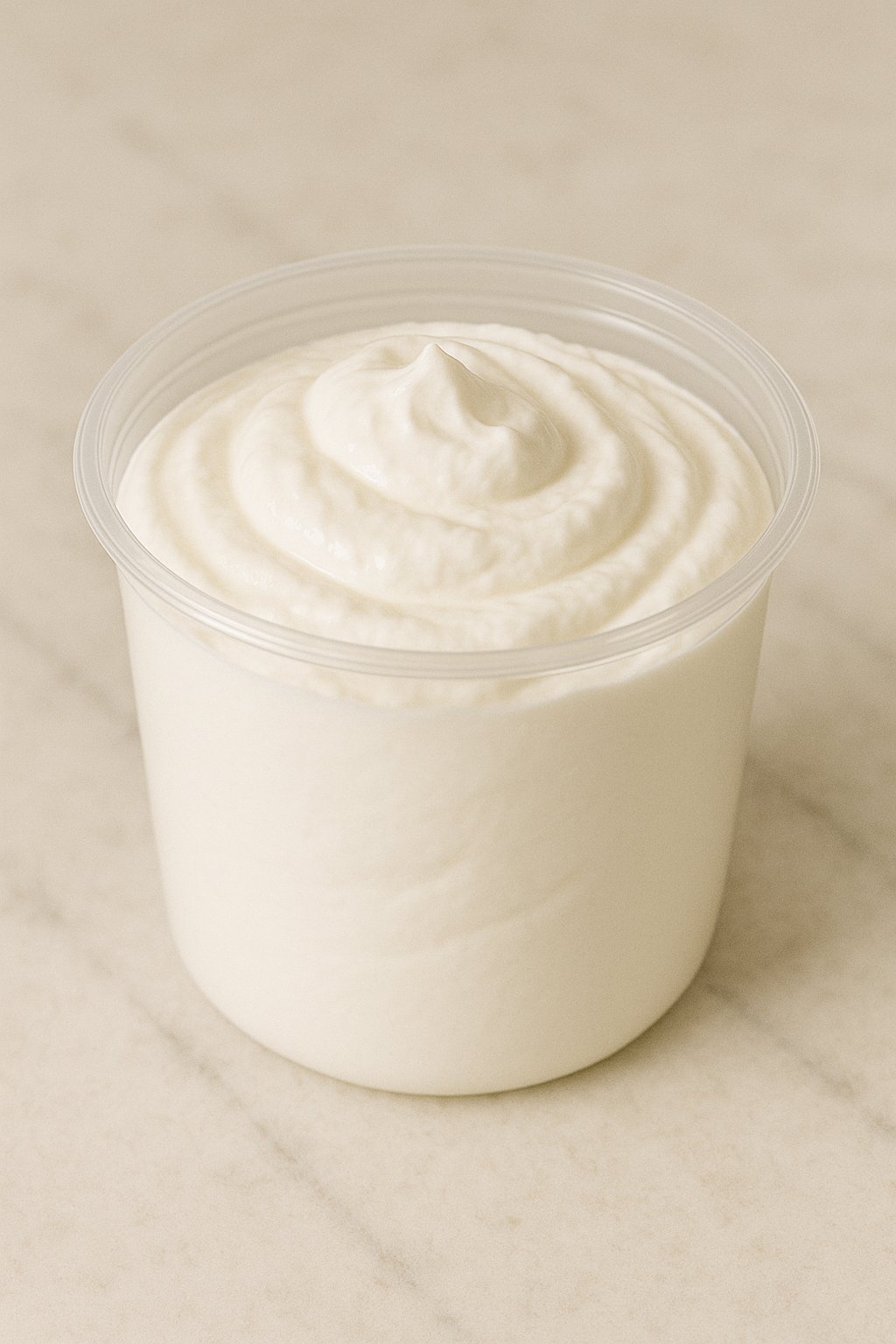
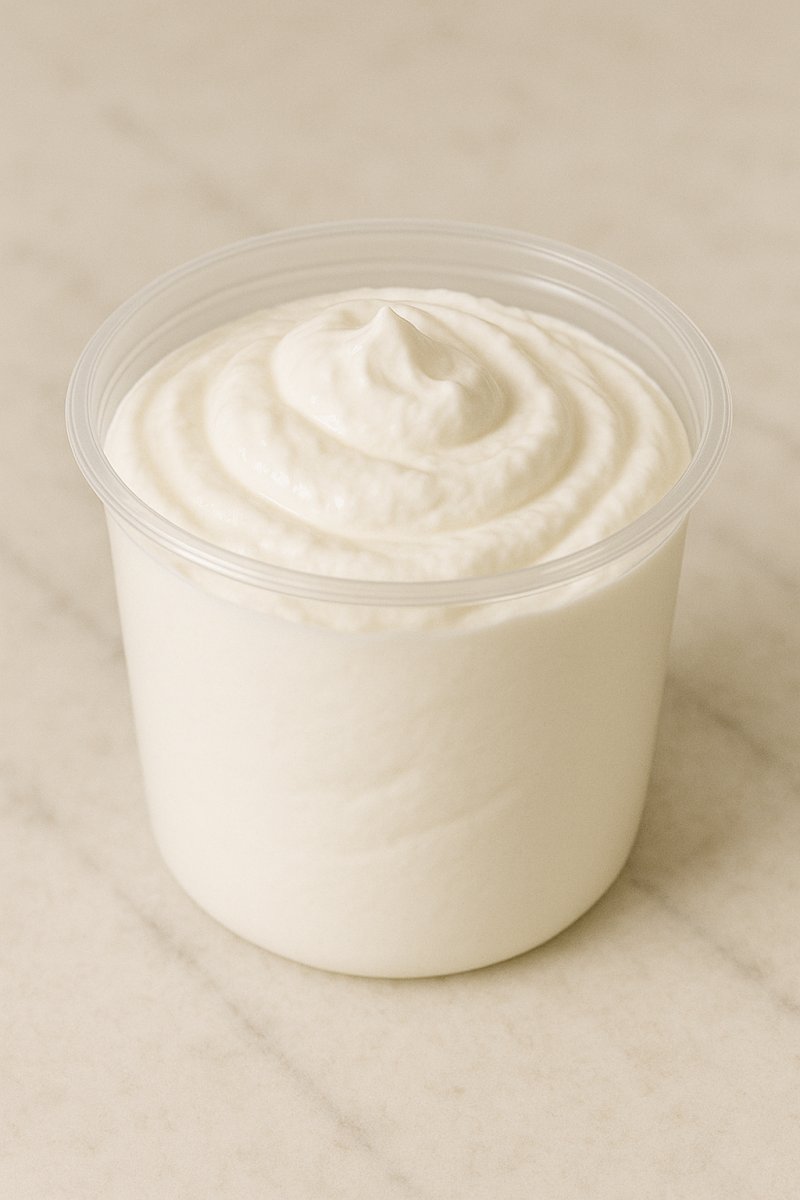
Bowl with cream quark
Sour cream quark is one of the most versatile ingredients I know in my European kitchen. As a 35-year-old editor who writes a lot about food professionally and cooks passionately in private, I have tried countless recipes in which this creamy, fresh and pleasantly mild component plays the leading role. Sour cream quark combines the velvety richness of cream with the light acidity of a classic quark, making it attractive for both sweet and savory dishes. Its texture is delicate, its color is naturally white, and the taste feels harmoniously rounded. Anyone who likes to work with finely balanced dairy products will find in sour cream quark a reliable partner for desserts, spreads, dips, baked goods and both cold and hot dishes.

I remember an evening with friends when I spontaneously layered a berry trifle with sour cream quark. The guests were surprised how lavish and yet light the dessert felt. A colleague of mine, on the other hand, swears by sour cream quark as a base for savory herb creams that he serves with baked potatoes. In our editorial office it is regularly debated: whether sour cream quark is more of a dessert ingredient or belongs in savory cooking. The truth lies in between. Sour cream quark shines in both worlds when you direct its aroma purposefully, be it with vanilla, honey and citrus zest or with garlic, chives and lemon zest.

Traditionally sour cream quark is made by refining quark with cream. This gives it a higher fat content and an irresistibly creamy consistency. This step shapes not only the texture but also the sensory depth. The fine acidity remains but is balanced by the fat phase, resulting in a rounded, almost luxurious mouthfeel. In some regions of Europe sour cream quark has been appreciated for generations: as a filling for cakes, as a base for cake creams, as a gentle component alongside seasonal fruit or as a creamy element in savory tarts and strudels.

Particularly interesting is the way sour cream quark connects textures. It adheres to fruit without running and carries spices so they are evenly distributed. This makes it possible to create a stable yet airy structure. When baking sour cream quark integrates

Availability & types

Availability and types of sour cream quark

Sour cream quark is a creamy dairy ingredient popular in many kitchens. It is produced from regular quark to which cream is added. This makes it richer in fat, softer and milder in taste than ordinary low-fat quark. For many desserts, creams, cake fillings and even savory dips, sour cream quark is a convenient base. If you are 12 years old and wonder where and how to get sour cream quark: in most supermarkets it is in the refrigerated section near yogurt, quark and cream cheese. Let's look step by step at where sour cream quark comes from, which varieties exist and how to choose the right version for your recipe.

Origin and production
Quark is a traditional dairy product from Central Europe, particularly known from Germany, Austria, Switzerland and parts of Eastern Europe. Its roots go far back: people long ago used milk bacteria to thicken and preserve milk. Quark is formed when milk is treated with lactic acid bacteria and gently warmed. The milk coagulates, the solid components (the curd) are separated from the liquid whey. In sour cream quark cream is added after this step. That makes the mass smoother, creamier and more pleasant in the mouth. Modern dairies work under strict hygienic and cool conditions to keep the product fresh.

Availability in trade
Sour cream quark is available year-round in many countries because milk is processed throughout the year. Most well-known dairy brands offer sour cream quark in tubs of 200 g, 250 g or 500 g. In organic and delicatessen shops you sometimes find artisan sour cream quark whose flavor can vary a bit. In smaller village shops there are often regional variants sold only in that area.

  • Supermarkets: Typically in the refrigerated section, often near yogurt and skyr.
  • Discount stores: Usually under own brand, often cheaper and in a few clear varieties.
  • Organic shops: Often orga-

Details & nutrition

Property Value
Unit g
Average weight per piece 200
Calories per 100 160
Protein per 100 9.5
Carbohydrates per 100 3.8
Sugar per 100 3.8
Fat per 100 11.0
Saturated fat per 100 7.0
Monounsaturated fat 3.0
Polyunsaturated fat 0.5
Fiber per 100 0
Vitamin C (mg) per 100 0
Vitamin D (IU) per 100 0
Calcium (mg) per 100 90
Iron (mg) per 100 0.1
Nutri-Score D
CO₂ footprint 2.2 kg CO2e/kg
Origin Europe
Gluten-free Yes
Lactose-free No
Nut-free Yes
Vegan No
Note Cream quark is a mixture of quark and cream with a creamy texture; nutritional values may vary slightly depending on fat content.

Technical & scientific information

Sour cream quark denotes a variant of dairy product where classic quark is enriched with cream. The result is a particularly creamy, mildly acidic product with increased fat content and improved mouthfeel. Sour cream quark is used in food technology both as a standalone ingredient in desserts, cake fillings and creams and as a technological functional carrier to improve texture in savory dishes. Through the combination of milk protein matrix and milk fat emulsion, sour cream quark possesses specific physico-chemical properties that distinguish it clearly from low-fat and semi-fat quark.

Definition and classification:
Sour cream quark is a fresh cheese in terms of food-law categories. It is produced by fermenting pasteurized milk with lactic acid bacterial cultures, subsequently separating the whey and then standardizing with cream. Depending on manufacturing practice, quark and cream are combined before or after draining. The fat content typically falls in Germany in the “sour cream quark” variant between about 20 and 40% fat in dry matter (fat in the dry substance), which in the ready-to-eat total mass usually corresponds to 10–20 g fat per 100 g, depending on the recipe and water content.

Production and technology:
The starting point is milk, whose protein and fat content is standardized. After pasteurization inoculation with starter cultures follows, frequently Lactococcus lactis strains and Leuconostoc species. Fermentation lowers the pH to roughly 4.5–4.7; at this pH casein precipitates and forms a gel. The resulting quark gel is mechanically broken up and the whey separated (gravity, bag draining, separators or ultrafiltration). For sour cream quark cream with defined droplet size is incorporated, often using homogenization to achieve a fine fat distribution and a stable emulsion structure. Heat treatment after mixing is limited so as not to compromise microbiological safety at the expense of texture.

Microstructure and texture:
The matrix of

Wiki entry for: creamy quark
Active now: 20 visitors of which 2 logged-in members in the last 5 minutes