Availability and types of coriander
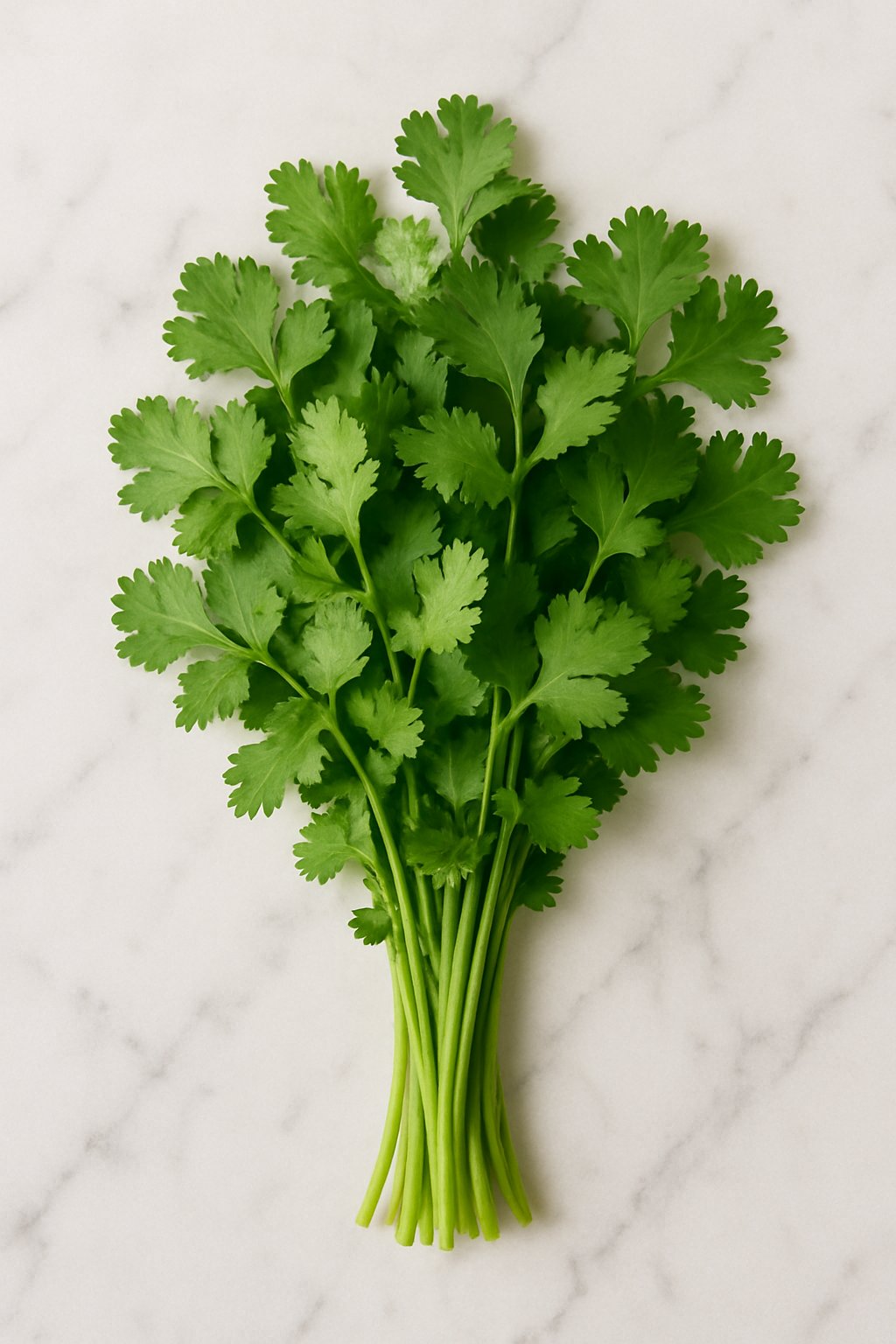
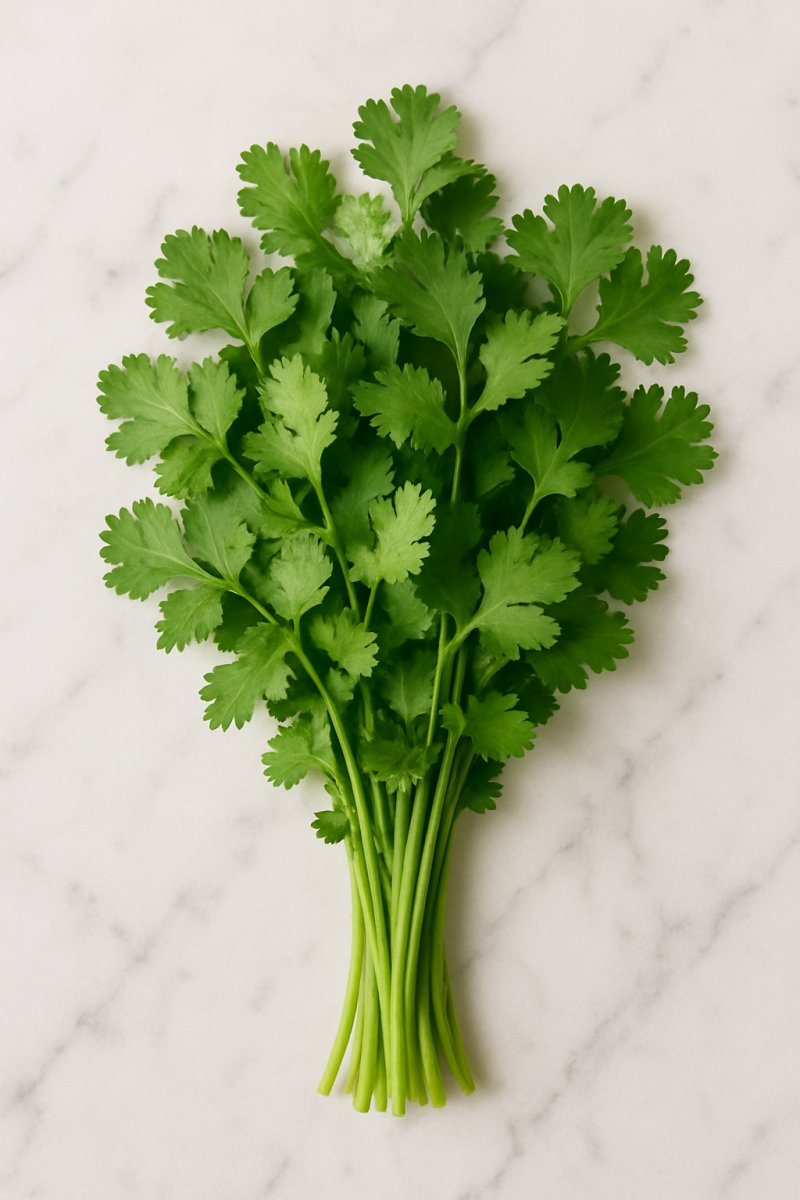
Coriander is a plant used in many kitchens around the world. Its leaves, the so‑called coriander leaves (also called "cilantro" in some countries), have a fresh, lemony taste. The seeds are used as a spice called coriander seeds and taste rather warm and nutty. Coriander grows in various countries and is often easy to find — in supermarkets, at the weekly market or in the garden.
Origin and cultivation areas
Coriander originally comes from the Mediterranean region and parts of Asia. Today it is grown almost everywhere the climate is mild to warm. Important cultivation areas include:
Coriander originally comes from the Mediterranean region and parts of Asia. Today it is grown almost everywhere the climate is mild to warm. Important cultivation areas include:
- Europe: Countries like Spain, Italy and southern regions of France grow coriander.
- Asia: India, China and countries in Southeast Asia use coriander extensively and therefore cultivate it widely.
- Latin America: Especially in Mexico and parts of South America coriander is very popular as a fresh herb.
- North Africa and the Middle East: Coriander also grows well there and is used in many traditional dishes.
You can buy coriander year-round, but it is best available fresh in the months when it is not too hot. Those who grow it in a garden or in a pot can usually harvest multiple times a year if the plant is protected from excessive heat.
Available varieties and types
Coriander comes in different forms and varieties. Here are the most important ones, simply explained:
Coriander comes in different forms and varieties. Here are the most important ones, simply explained:
- Fresh coriander leaves: These are the green leaves on the plant. They look like small fan-shaped leaves and are very aromatic. They are used fresh, for example as a garnish on soups or in salads.
- Coriander seeds: The small brown seeds are dried and used as a spice. They are often lightly toasted so their aroma develops better — this is similar to briefly heating popcorn in a pan so it smells better.
- Dried coriander leaves: Sometimes there are also dried leaves. They are not as fresh as the fresh leaves, but practical if you want to store coriander for a long time.
- Varieties with different flavors: Some coriander varieties have a stronger taste, others are milder. There are also cultivars bred to flower less quickly, leaving more leaves to harvest. This is practical for gardeners who want fresh leaves for longer.
- Flowering coriander (coriander seed plant): When coriander flowers, small white or pinkish flowers appear, from which the seeds later develop. Some people intentionally let plants flower to harvest their own seeds.
Where to buy coriander and how to recognize good quality?
Fresh coriander is available in supermarkets, organic shops, weekly markets and greengrocers. When buying, watch for:
Fresh coriander is available in supermarkets, organic shops, weekly markets and greengrocers. When buying, watch for:
- Green, not yellow leaves — that indicates freshness.
- No wilting or brown spots — that means the plant is still good.
- Pleasant, fresh scent — coriander smells slightly lemony.
If you grow coriander in a pot on the windowsill, you always have fresh leaves on hand. Coriander is therefore very versatile: it grows in many places, comes into the kitchen in various forms, and is easy to recognize and use. Those who know the differences — leaves for freshness, seeds for spice — can cleverly use coriander in many dishes.