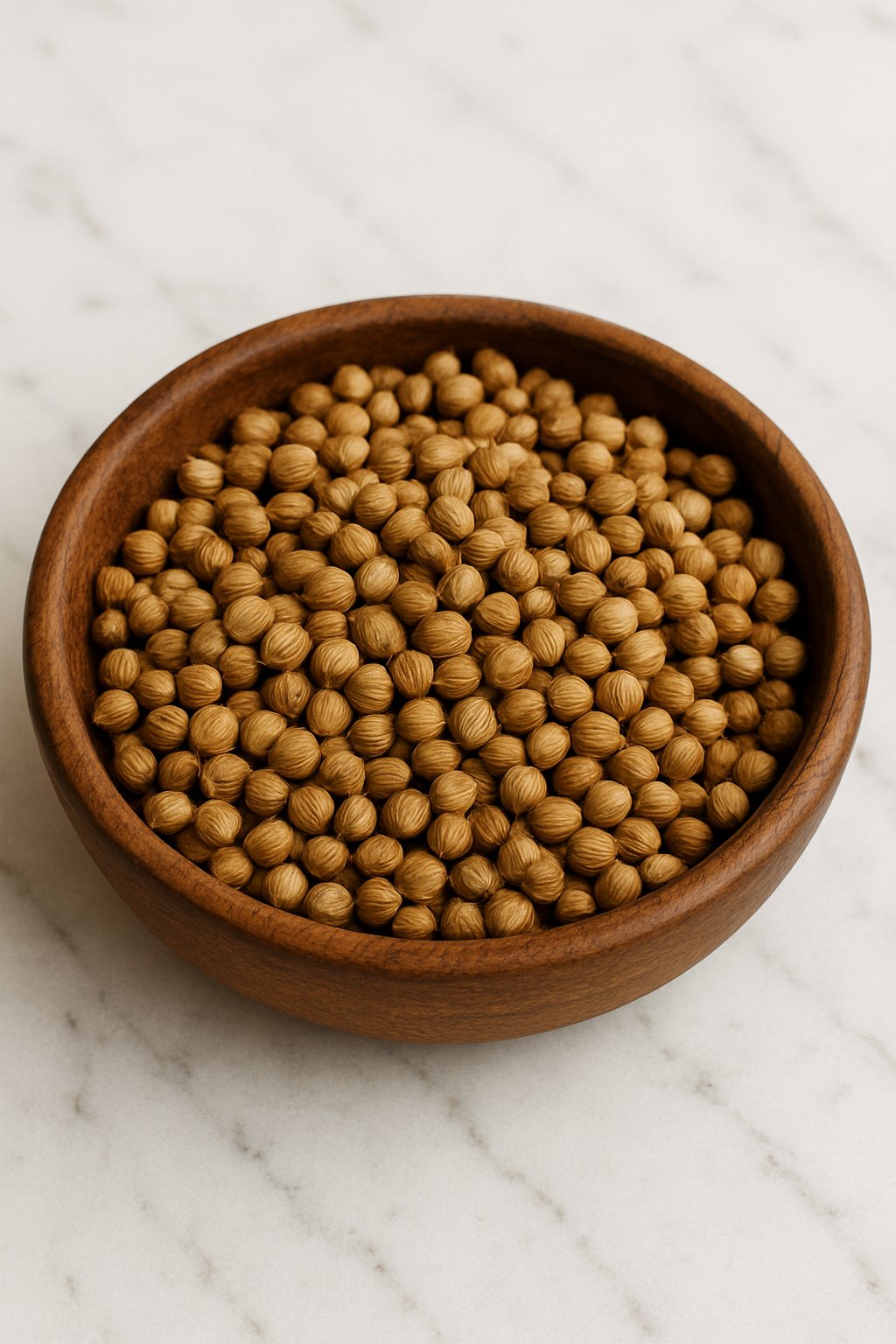
Availability and types of coriander seeds
Coriander seeds are the dried seeds of a plant called coriander. They smell and taste very different from the fresh leaves, which some people call Cilantro. Coriander seeds are popular in many world cuisines because they taste warm and slightly citrusy. Here I explain where they come from, where they are grown and which kinds or variants exist – explained simply so that even a 12‑year‑old can understand.
Origin
Coriander is a very old plant. People have used it for thousands of years. It is believed to have originally grown wild in southern Europe and western Asia. From there the plant spread via trade routes to many other countries. People have used the seed for a long time because it looks and tastes good in cooking. In the past, seeds were also used as a small remedy or as a means to counteract bad odors.
Coriander is a very old plant. People have used it for thousands of years. It is believed to have originally grown wild in southern Europe and western Asia. From there the plant spread via trade routes to many other countries. People have used the seed for a long time because it looks and tastes good in cooking. In the past, seeds were also used as a small remedy or as a means to counteract bad odors.
Growing regions
Coriander can grow in many parts of the world because it is not very picky. The main growing regions are:
Coriander can grow in many parts of the world because it is not very picky. The main growing regions are:
- South Asia (for example India): a lot of coriander is grown here. India is one of the largest producers. The seeds are a staple of many dishes there.
- Europe (southern Europe, Mediterranean): countries like Spain or Italy also grow coriander, especially in warmer regions.
- North Africa: in countries such as Morocco and Tunisia coriander is also common.
- Latin America: coriander also grows here, especially where the climate is warm and dry to temperate.
- Australia and the USA: these countries also have coriander fields – both for the local market and for export.
Simply put: coriander grows well where it is warm but not too hot and where there is enough light. Farmers sow the seeds in spring or autumn depending on the climate.
Available varieties and variants
There are not an infinite number of different coriander seeds, but there are some differences that matter. You can compare the variants to different apple varieties: they are all apples, but they taste and look a bit different. For coriander seeds the most important factors are size and flavor.
There are not an infinite number of different coriander seeds, but there are some differences that matter. You can compare the variants to different apple varieties: they are all apples, but they taste and look a bit different. For coriander seeds the most important factors are size and flavor.
- Large vs. small seeds: some varieties have larger seeds, others smaller. Large seeds are often more aromatic and fuller in flavor; small seeds are sometimes milder.
- Smooth and round vs. slightly ridged: the seed surface can be smoother or a bit ribbed. This does not change the taste much, but it looks different.
- Lighter vs. darker seeds: depending on when they are harvested and dried, seeds can be lighter or darker. Darker seeds sometimes have a more intense, nutty flavor.
- Ground vs. whole: coriander seeds are often sold whole, but they can also be ground to powder. Whole seeds retain their aroma longer, ground powder is convenient because it is ready to use.
- Organic variants: there are conventionally grown and organically grown seeds. Organic means fewer or no chemical agents were used in cultivation. Many people prefer organic for environmental or health reasons.
Availability
Coriander seeds are available in many supermarkets, farmers' markets, Asian and spice shops and online. Whole seeds usually stay fresh longer; ground powder loses its aroma faster. If you want the flavor to last, store the seeds in a dark, airtight container – similar to how you might keep potatoes in a cool place. That way they remain good for months to years.
Coriander seeds are available in many supermarkets, farmers' markets, Asian and spice shops and online. Whole seeds usually stay fresh longer; ground powder loses its aroma faster. If you want the flavor to last, store the seeds in a dark, airtight container – similar to how you might keep potatoes in a cool place. That way they remain good for months to years.
In summary: coriander seeds come from an ancient plant that grows in many warm regions of the world. There are only a few “varieties,” but differences in size, color and processing (whole or ground). You can buy them easily and it's best to store them airtight and in the dark so they stay flavorful for a long time. That way you always have a small piece of exotic cuisine at hand.