Availability and types of cookies
Cookies can be found in almost every shop and are among the most popular snacks worldwide. The origin of cookies is varied: simple cookie types originally came from Europe and the Middle East, but nowadays people all over the world bake cookies, often using their own local ingredients and flavors. You could say cookies are like clothing: equally useful everywhere, but made a little differently in each country.
When we talk about growing regions we really mean the origin of the ingredients from which cookies are made. Typical ingredients are flour (from grains such as wheat), sugar (from sugar beets or sugar cane), butter (from milk) and sometimes chocolate (from cocoa beans). These raw materials are grown in different places:
- Wheat is cultivated worldwide – major production areas include Europe, North America, Russia, China and India. The flour produced is the basis for many cookies.
- Sugar often comes from sugar beets (common in cooler regions like Europe) or from sugar cane (in warmer regions like Brazil, India or Southeast Asia).
- Milk and butter come from countries with large livestock sectors, for example Europe, North America and Australia.
- Cocoa for chocolate grows mainly in tropical regions, especially in West Africa (for example Ivory Coast and Ghana).
Because these ingredients come from many countries, cookies are available almost everywhere. In supermarkets you'll find large brands, in bakeries fresh varieties, and in small shops or markets often homemade cookies.
Available varieties and variants
Cookies come in many shapes, sizes and flavors. Here are the main types, simply explained:
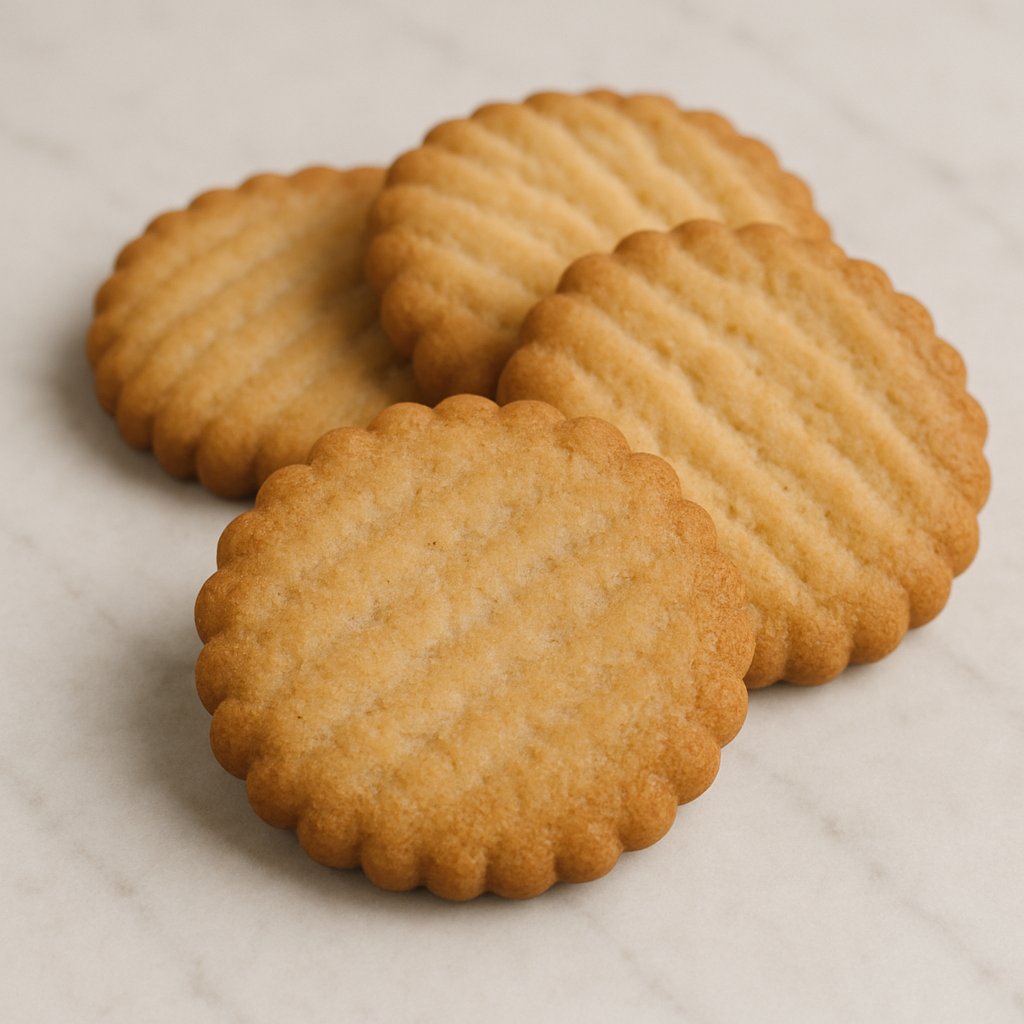
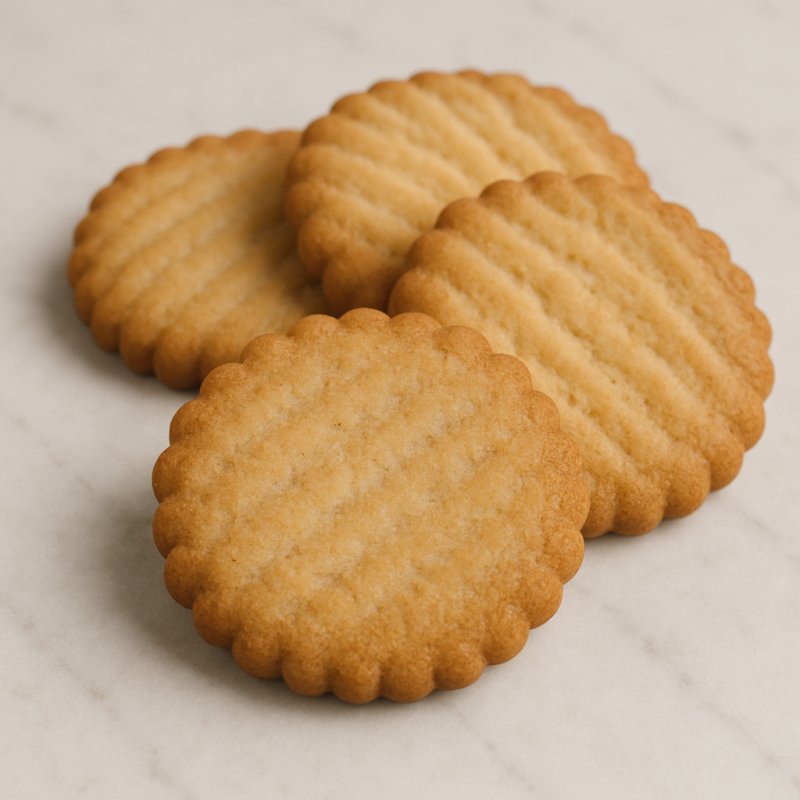
- Butter cookies: Simple, lightly sweet and often crispy. They are like the basic framework for many other cookies.
- Chocolate cookies: Contain chocolate chips or are fully coated in chocolate. Just right for chocolate lovers.
- Oat cookies: Made with rolled oats – they are usually coarser and more filling. Some also contain raisins or nuts.
- Sand cookies (shortbread): Very buttery and crumbly, almost like a delicate cookie that melts in the mouth.
- Shortcrust and cut-out cookies: Often cut into special shapes, for example stars or hearts – popular at holidays.
- Whole grain and healthier variants: Made from darker flours or with less sugar; they are a bit more nutritious.
- Vegan and lactose-free cookies: Without milk or eggs, so people with allergies or special diets can eat them.
- Filled or sandwich cookies: Two cookies with a cream or jam in between.
Some cookies are particularly popular regionally and taste different because local ingredients are used – like spices, nuts or different sweeteners. A simple image: cookies are like motherships – the basic idea remains the same, but each country builds its own 'ship' with special colors and extras.
Because ingredients come from many countries and bakers constantly come up with new ideas, practically new cookie variants appear every week. This makes cookies exciting: you can always try new varieties or experiment at home by, for example, replacing chocolate with nuts or adding oats.
In summary: cookies are easy to get worldwide because their ingredients come from many regions. The variety is large — from simple butter cookies to exotic, filled or healthy variants — so there is something for every taste.