Availability and types
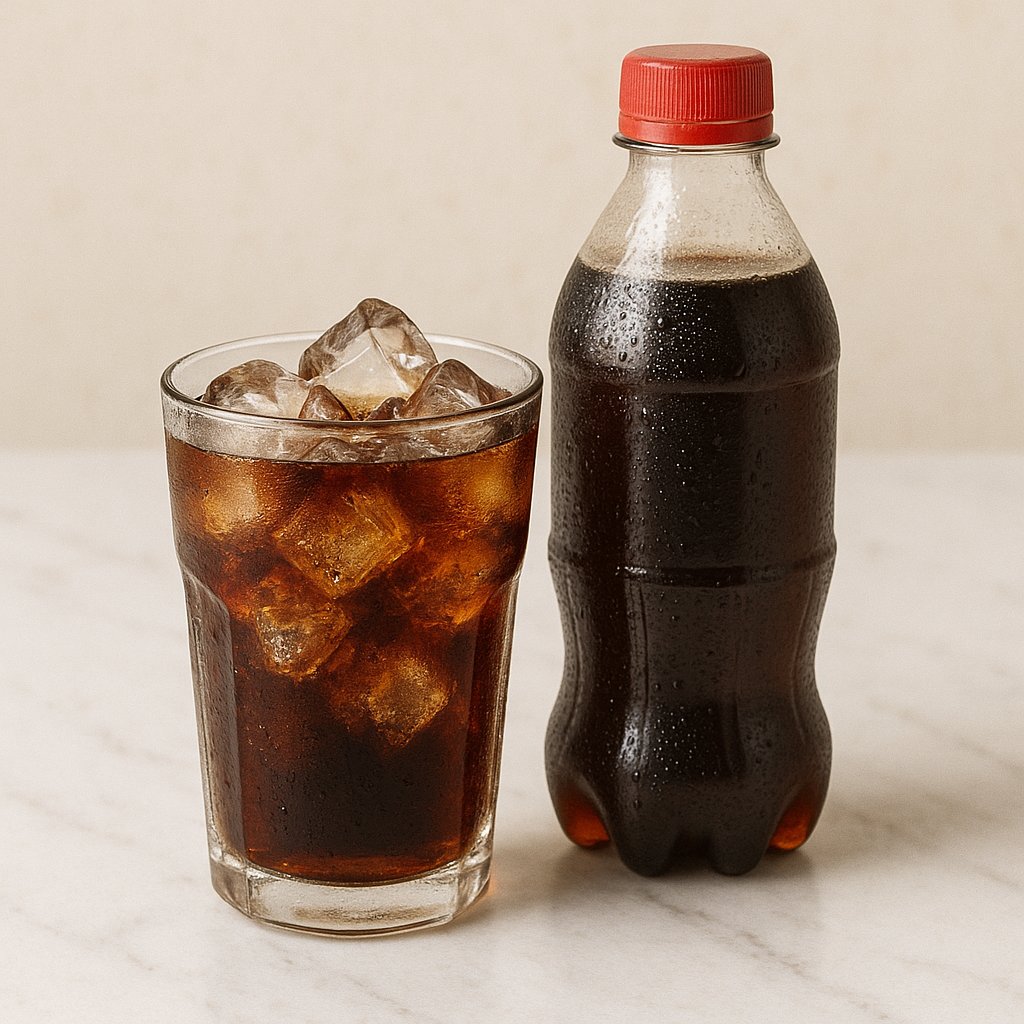
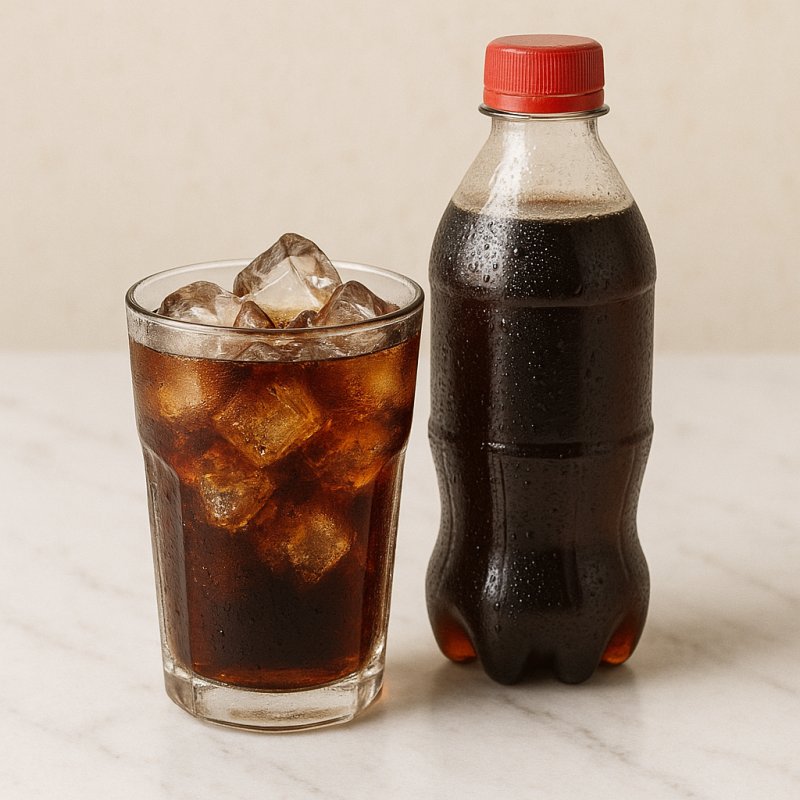
When people talk about cola as an ingredient, most mean the sweet, dark drink that comes in bottles or cans. The original source of the flavor used to be the kola nut, which comes from West Africa. The kola nut tastes slightly bitter and contains caffeine — the substance that wakes you up. Today cola is usually no longer made directly from the nut. Instead manufacturers use a blend of flavorings, sugar, carbon dioxide (which provides the fizz) and sometimes a small amount of extract or flavor that recalls the kola nut.
Origin and growing regions
- The real kola nut grows mainly in West Africa, in countries like Ghana, Nigeria or Côte d’Ivoire. There it has long been eaten or chewed.
- Modern cola drinks were originally invented in the USA and became very popular from the 19th century onward. Large brands produce cola around the world today.
- If you buy cola in a shop, it often comes from factories in your region or is imported. Ingredients like sugar or flavorings can come from different countries.
How to find cola – Availability
- Supermarkets, kiosks and vending machines: most varieties in cans, glass or plastic bottles are found there.
- Restaurants, cafés and fast-food chains: cola is a very common offering with meals.
- Online shops: there you can order special varieties or large quantities, including syrup concentrates for home use.
- Regional markets or smaller shops: sometimes you can find local or handmade "craft" colas that taste different from big brands.
Types and variants
Cola is available today in many different versions, similar to how there are many ice cream flavors. Here are some of the main types, explained simply:
- Classic / Original: the regular sweet cola with caffeine.
- Light / Diet: almost like the regular one but with artificial sweeteners instead of sugar to reduce calories.
- Zero Sugar: similar to Diet but often with a slightly different taste intended to be closer to the original cola.
- Caffeine-free: same sweetness and carbonation but without caffeine — good for children or in the evening.
- Flavored variants: for example cola with vanilla, cherry or citrus. It's like different toppings on ice cream.
- Regionally different recipes: in Mexico sugarcane sugar is often used, in the USA high-fructose corn syrup is common. That slightly changes the taste.
- Craft or organic cola: smaller companies make cola with natural ingredients, fewer additives or with cane sugar.
- Syrups and concentrates: for home or bars there are cola syrups that are mixed with water and carbon dioxide. Practical when you need a lot of cola.
In summary: cola is very easy to get and there are many different varieties — from classic sweet to low-calorie or caffeine-free versions. If you try you can find which variety you like best, just like with different ice cream or soft drink flavors. Each variant has its own small difference in taste, but all are part of the big family we simply call "cola".