Menu & categories

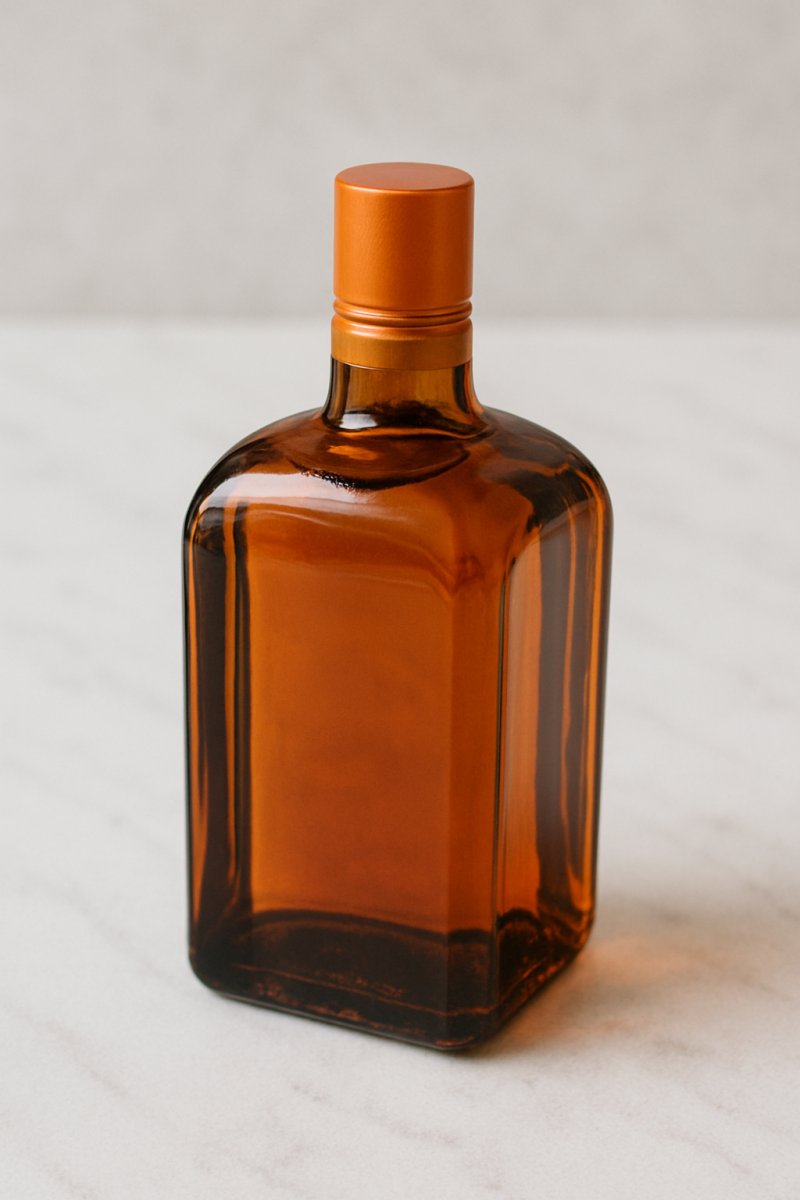
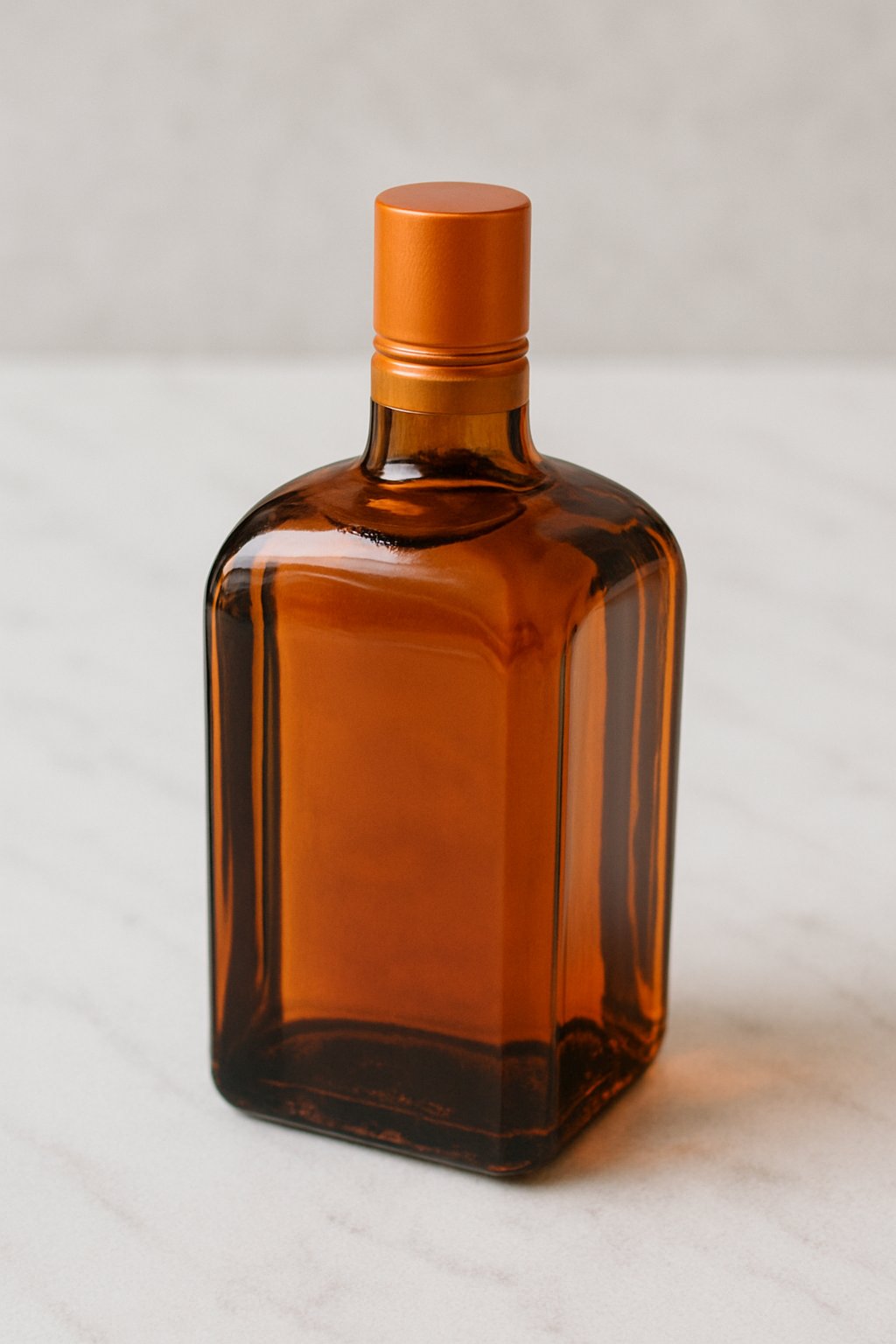
Cointreau

Orange liqueur with the characteristic Triple Sec aroma

Wiki about Cointreau Nutri-Score E Vegan Yes Gluten-free Yes Lactose-free Yes Nut-free Yes
NUTRITION / 100 ml
283 kcal 0 g Protein 25 g Kohlenhydrate 0 g Fett

Introduction

A glass of Cointreau orange liqueur next to an orange zest
I still remember the evening when I first consciously tried Cointreau: it was after a long visit to the market, I had oranges in my pocket and a surprising guest in the fridge – a little bottle someone had forgotten at a party. I poured a sip into a glass, smelled the peel, and immediately it felt as if I had landed in a small bar in France. That bitter-sweet scent has something magical.

Cointreau is a clear orange liqueur with roots in France, famous for its bright aromas of bitter and sweet oranges. What has always fascinated me is the balance: it is not too sweet, not too bitter, but perfectly in between - a precise play of oil from the peel, alcohol and sugar. Many know it from classic cocktails like the Margarita or the Sidecar, but I also enjoy it neat over ice or as a delicate accent in sauces and desserts.

A colleague of mine swears by adding a few drops of Cointreau to an orange vinaigrette; the result is a vinaigrette with a depth that's otherwise hard to achieve. I once flambéed orange segments with a splash of Cointreau, and the caramelized aroma was so convincing that a spontaneous dessert resulted which outshone all other plans that evening.

What distinguishes Cointreau:

  • Clear, brilliant color that makes it versatile in cocktails.
  • Complex aromas from bitter and sweet oranges.
  • High usability: from mixed drinks to fine dessert recipes.
When cooking you should dose it carefully: a little often goes a long way. In combination with chocolate, nuts or vanilla a seductive harmony emerges. When I have guests, I sometimes serve small glasses of Cointreau at the end – it's like an elegant, aromatic handshake after a good meal. That's how Cointreau stays in my memory: not just as an ingredient, but as a small bottle full of stories that livens up any moment, whether in the glass or on the plate.

Availability & types

Availability and types

Cointreau is a well-known French orange liqueur that is sold worldwide in many beverage stores and supermarkets. If you wonder "Where can I get it?" — the answer is often very simple: in well-stocked spirits sections, specialty liquor shops, bars and online. Some supermarkets stock Cointreau on shelves with other liqueurs, and many online shops deliver it directly to your home. Sometimes it is also found in gift boxes or sampler sets, especially during the holiday season.

Origin
Cointreau originally comes from France, more precisely from the city of Angers in the Pays de la Loire region. The brand was founded in the 19th century. You can think of it as a special family recipe passed down over many years. Although the liqueur is produced in France, it is known and enjoyed around the world today.

Orange growing regions
Although Cointreau is blended in France, the oranges that provide its flavor do not grow in just one place. Oranges for orange liqueurs often come from various warm regions such as Spain, Brazil or Morocco. These countries get a lot of sun, which makes the oranges sweet and aromatic. You can compare it to apples: some apples from a sunny hill taste different than those from a shaded field. Liqueur producers select the best oranges to ensure consistent quality.

Available varieties and versions
Cointreau is primarily known for its clear, pure orange flavor. Still, there are a few variants and similar products worth knowing about:

  • Classic Cointreau bottle – This is the most well-known variant. It is clear, dry and has a pronounced orange taste. Many cocktails like the Margarita or Cosmopolitan use this exact variety.
  • Cointreau Noir – This is a darker, rarer variant that has been combined with another spirit (such as a brandy). This makes the flavor deeper and richer, similar to adding nuts to chocolate.
  • Simpler orange liqueurs – There are many imitations or cheaper alternatives in supermarkets. These taste similar, but are often sweeter or less complex. They can be used when you like the flavor but want to spend less.
  • Non-alcoholic variants – For children or people who cannot drink alcohol, there are non-alcoholic syrups or flavorings that taste of orange. These imitations are not the same as Cointreau, but provide a similar flavor for mocktails (non-alcoholic cocktails).
How to choose the right variant
If you have a recipe that calls for Cointreau, the best choice is usually the classic bottle. It provides exactly the flavor most bartenders and recipe writers mean. If you want to try something special, like a darker, more complex taste, you can look for Cointreau Noir or similar special editions. For children and people who do not consume alcohol, non-alcoholic syrups are a suitable substitute.

In many stores you will find prices and sizes from small sample bottles to large bottles. It's like juice: there are small packages to try and large bottles for frequent drinkers. In summary: Cointreau is widely available, comes from France, is made from oranges that grow in warm countries, and is available in several variants – from classic to special, as well as non-alcoholic alternatives for those who do not drink alcohol.
Details & nutrition

Property Value
Unit ml
Calories per 100 283
Protein per 100 0
Carbohydrates per 100 25
Sugar per 100 25
Fat per 100 0
Saturated fat per 100 0
Monounsaturated fat 0
Polyunsaturated fat 0
Fiber per 100 0
Vitamin C (mg) per 100 0
Vitamin D (IU) per 100 0
Calcium (mg) per 100 0
Iron (mg) per 100 0
Nutri-Score E
CO₂ footprint 1.2
Origin France
Gluten-free Yes
Lactose-free Yes
Nut-free Yes
Vegan Yes
Note Cointreau is a clear orange liqueur (Triple Sec) with approximately 40% vol. alcohol; contains sugar but practically no fats, proteins or dietary fiber. Alcohol content should be taken into account when consuming.

Technical & scientific information

Cointreau is a clear, colorless orange liqueur of French origin, frequently used as an ingredient in cocktails and culinary preparations. It was developed in the 19th century and is characterized by a pronounced, pure orange aroma expression derived from both bitter and sweet oranges. As an alcoholic distillate, Cointreau is technically a spirit product based on cane or grain alcohol, produced by maceration and subsequent distillation of orange peels and then blended with neutral alcohol, sugar and water.

Chemical composition and ingredients
The aromatic complexity of Cointreau is primarily based on a mixture of volatile organic compounds found in citrus peels. Important constituents include terpenes (especially limonene), aldehydes (e.g. citral), esters and ethers, which are responsible for fruity, floral and resinous notes. In addition, the product contains ethanol as the main component, serving as a solvent and carrier for the aromas. Also present are sucrose or syrup as sweeteners and water to adjust the alcohol content. Depending on the recipe, traces of phenolic compounds and bitter substances from the white mesocarp layers of the peel may be present, contributing to a complex taste.

Production process
The industrial and traditional manufacturing process can be divided into several steps:

  • Selection and preparation of peels: Bitter and sweet orange peels are harvested and, if necessary, dried or processed fresh.
  • Maceration: The peels are soaked in neutral alcohol, thereby extracting soluble aromatic and bitter components.
  • Distillation: The alcoholic peel mixture is distilled to obtain a concentrated, aromatic distillate and to separate unwanted components.
  • Assemblage: The distillate is blended with neutral alcohol, cane or sugar syrup and water until the desired alcohol strength and level of sweetness are achieved.
  • Filtration and bottling: After filtration the finished product is filled and labeled.
These steps serve both aroma extraction and bacterial stabilization of the product.
Alcohol content and nutritional values
Cointreau is commonly offered in trade practice with an alcohol content of about 40% by volume. Nutritional information per 100 ml is largely determined by the alcohol and sugar content. Alcohol provides about 7 kcal/g, while sugar contributes about 4 kcal/g. Concretely this means that liqueurs like Cointreau have a relatively high energy value; a typical serving size (e.g. 15–30 ml) still delivers moderate calorie amounts, which can add up with regular consumption.
Health aspects
From a health perspective Cointreau should primarily be considered an alcoholic beverage for enjoyment. In the short term alcohol and ethanol-associated compounds can induce cerebral and cardiac effects. The high alcohol content implies an increased risk of acute intoxication with excessive consumption. In the long term epidemiological data regularly associate high alcohol consumption with liver diseases, metabolic disorders and an increased incidence of cancer. Allergic reactions to citrus oils are rare but can occur in sensitive individuals. In addition, the sugars contained can affect blood glucose and should be taken into account in diabetes.
Sensory and culinary use
Sensorially Cointreau offers a clear orange intensity with balanced sweetness and a slight underlying bitter note. Due to its pure aroma the liqueur is suitable for classic cocktails like Margarita or Cosmopolitan, for reducing sauces, flavoring pastry fillings and as a flavor contributor in desserts. In combination with acids, fats or proteins the perception of the volatile components changes, so dosing varies depending on the application.
Cointreau is therefore a technically and sensorily differentiated product: its properties arise from the composition of citrus aromas, the alcohol carrier and the careful processing steps that maximize volatile aromatic compounds and minimize unwanted components. When used, the same caution applies as with other alcoholic ingredients – moderate dosing and consideration of individual health limitations.
Wiki entry for: Cointreau
Active now: 6 visitors of which 2 logged-in members in the last 5 minutes