Menu & categories

Coconut flakes

A healthy and tasty ingredient for many dishes

Wiki about coconut flake Nutri-Score D Vegan Yes Gluten-free Yes Lactose-free Yes Nut-free Yes
NUTRITION / 100 g
660 kcal 7.0 g Protein 24.0 g Kohlenhydrate 65.0 g Fett

Introduction

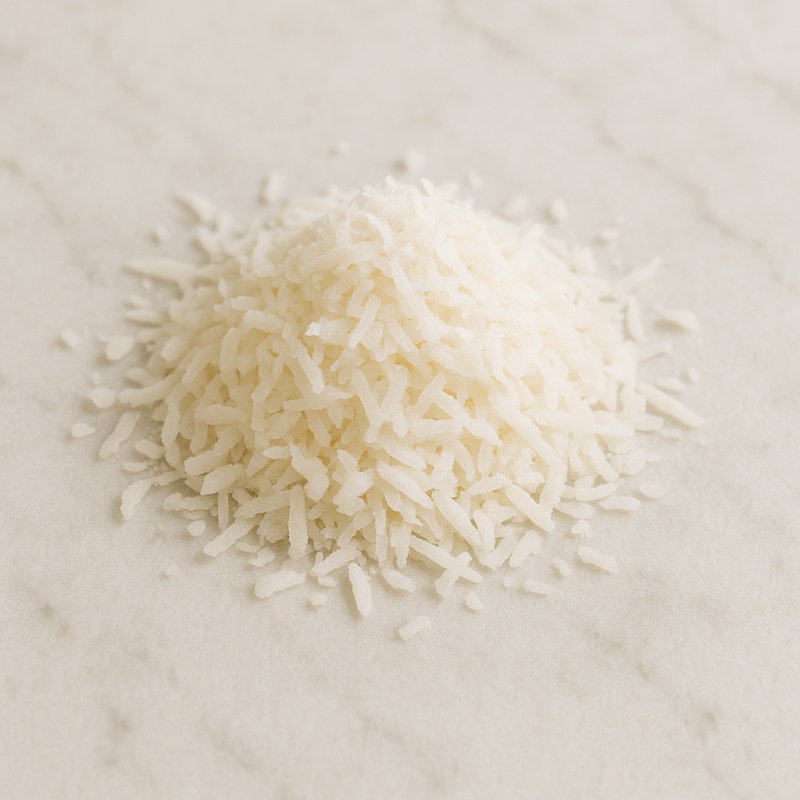
Coconut flakes in a bowl
I still remember well the first moment I discovered coconut flakes in my kitchen. It was a rainy afternoon, and I was browsing in a small, charming health food store. The packaging of the coconut flakes was so inviting that I simply couldn't resist. When I opened the bag, the sweet, tropical scent wafted into my nose and I knew immediately that these little flakes would become more than just an ingredient in my kitchen.

Coconut flakes are not only a delicious snack, they also bring a touch of the exotic to many dishes. I love using them in my muesli or yogurt to add a crunchy texture and an extra flavor kick. A colleague of mine even once refined his famous coconut cookies with them. The combination of delicate sweetness and the slightly nutty aroma delighted everyone in the office. It was a real explosion of taste!

The versatility of coconut flakes is impressive. They can be used in various dishes, such as:

  • Baked goods: Coconut flakes give any cake or muffin a special note. I once tried a recipe for a juicy pineapple cake where the coconut flakes provided the perfect balance between fruity and nutty.
  • Smoothies: When I want a quick breakfast, I like to add a handful of coconut flakes to my smoothie. They make it creamier and add a bit of extra flavor.
  • Savory dishes: Who would have thought that coconut flakes can also shine in savory dishes? I once used them in a curry; they rounded the dish wonderfully and gave it an additional dimension.
Another reason I appreciate coconut flakes so much is their health benefits. They are rich in fiber, contain healthy fats, and can even increase the feeling of fullness. That way I can enjoy my treat with a clear conscience. I even once held a little contest with friends to see who could create the most creative recipes with coconut flakes. The results were amazing and made our cooking together an unforgettable experience.

Overall, coconut flakes are one of the best ingredients to have in the kitchen for me. They not only bring a delicious taste but also a lot of fun and inspiration for new recipes. I can't wait to try new combinations and continue my culinary journey with coconut flakes!

Availability & types

Coconut flakes are a tasty ingredient obtained from the fruit of the coconut palm. These palms grow in warm, tropical regions of the world, where the climate is hot and humid. The largest growing areas for coconuts are countries like India, Indonesia, the Philippines and Brazil. There are many plantations there, where the palms stand in long rows and the green, swaying fronds reach up to the sky.

The coconut itself is a large, brown fruit with a hard shell. When the nuts are ripe, they are harvested and opened. Inside we find the white flesh, also known as coconut meat. This coconut meat can then be dried to make coconut flakes. These flakes are small, fine pieces of the dried coconut meat and have a sweet, nutty taste.

There are different types of coconut flakes that can vary in color, texture and also taste. The best known variants are:

  • Unsweetened coconut flakes: These flakes are simply dried coconut meat without added sugar. They are perfect for healthy recipes as they preserve the natural taste of the coconut.
  • Sweetened coconut flakes: This variant contains sugar, which makes them sweeter. They are great for desserts or for sprinkling on cakes and muffins.
  • Desiccated coconut: These are finer pieces of coconut meat often used for decorating sweets. They are very similar to coconut flakes but finer and can sometimes have a different texture.
  • Coconut chips: These are larger pieces of coconut meat and have a thicker texture. They are especially tasty when used in mueslis or as a snack.
The availability of coconut flakes nowadays is very good. They can be bought in many supermarkets and online shops, often in different package sizes. That makes them easy to use in the kitchen. Whether you are making a recipe for a coconut cookie or preparing a delicious coconut milk smoothie, coconut flakes are versatile.

So if you want to try something new, you can add coconut flakes to your dishes. They not only give great flavor but also an interesting texture. Whether you use them in a creative dessert or a savory dish, coconut flakes are a great addition. Keep in mind that they come in different variants, so you can choose the one that best fits your recipe.

In summary, coconut flakes are a popular ingredient that comes from the tropical coconut palm. They are available in various variants and can be used in many recipes. The variety of flavors and textures makes them an exciting ingredient in the kitchen.

Details & nutrition

Property Value
Unit g
Calories per 100 660
Protein per 100 7.0
Carbohydrates per 100 24.0
Sugar per 100 6.0
Fat per 100 65.0
Saturated fat per 100 59.0
Monounsaturated fat 2.0
Polyunsaturated fat 0.5
Fiber per 100 16.0
Vitamin C (mg) per 100 3.3
Vitamin D (IU) per 100 0.0
Calcium (mg) per 100 18.0
Iron (mg) per 100 2.5
Nutri-Score D
CO₂ footprint 1.3
Origin Asia
Gluten-free Yes
Lactose-free Yes
Nut-free Yes
Vegan Yes
Note Ideal for muesli, desserts and Asian dishes

Technical & scientific information

Coconut flakes are a versatile ingredient derived from the flesh of the coconut. They are very popular in cooking and are known for their characteristic flavor as well as their nutritional benefits. This article takes a closer look at the chemical composition, components, nutritional values, processing methods and health aspects of coconut flakes.

Production and processing
Coconut flakes are obtained from the white flesh of the ripe coconut. The process begins with removing the shell and the outer layer of the nut. The flesh is then shredded or sliced into small pieces to produce the typical flakes. The flakes can then be either raw-dried or roasted, which intensifies their flavor and gives them a crunchy texture. Depending on the processing method, they can be available as a unsweetened or sweetened variant.

Chemical composition and components
Coconut flakes consist mainly of water, carbohydrates, fats and proteins. The chemical composition is as follows:

  • Water content: About 6-10%
  • Carbohydrates: Around 20-25%, mainly in the form of fiber and sugars
  • Fat: Approx. 60-70%, with the majority consisting of saturated fatty acids, particularly lauric acid
  • Protein: Approximately 6-8%
The fats contained in coconut flakes are mainly saturated fatty acids, which play a particular role in nutrition. Lauric acid, which makes up about 50% of the fats, is efficiently converted into energy in the body and has potential health benefits, including antimicrobial properties.

Nutritional values
Coconut flakes are nutrient-dense and contain a variety of vitamins and minerals. The most important nutrients include:

  • Fiber: Promote digestion and contribute to satiety.
  • Iron: Important for oxygen transport in the blood.
  • Magnesium: Plays a role in muscle and nerve function.
  • Potassium: Important for maintaining fluid balance.
The nutrient density of coconut flakes makes them a valuable addition to many diets, especially for vegans and vegetarians.

Health aspects
The health benefits of coconut flakes are diverse. The high content of saturated fats, particularly lauric acid, can contribute to increasing HDL cholesterol, which is considered the "good" cholesterol. Furthermore, studies have shown that consuming coconut products may reduce the risk of cardiovascular disease when consumed in moderation.

Wiki entry for: coconut flake
Active now: 20 visitors of which 2 logged-in members in the last 5 minutes