Menu & categories

Cocoa drink

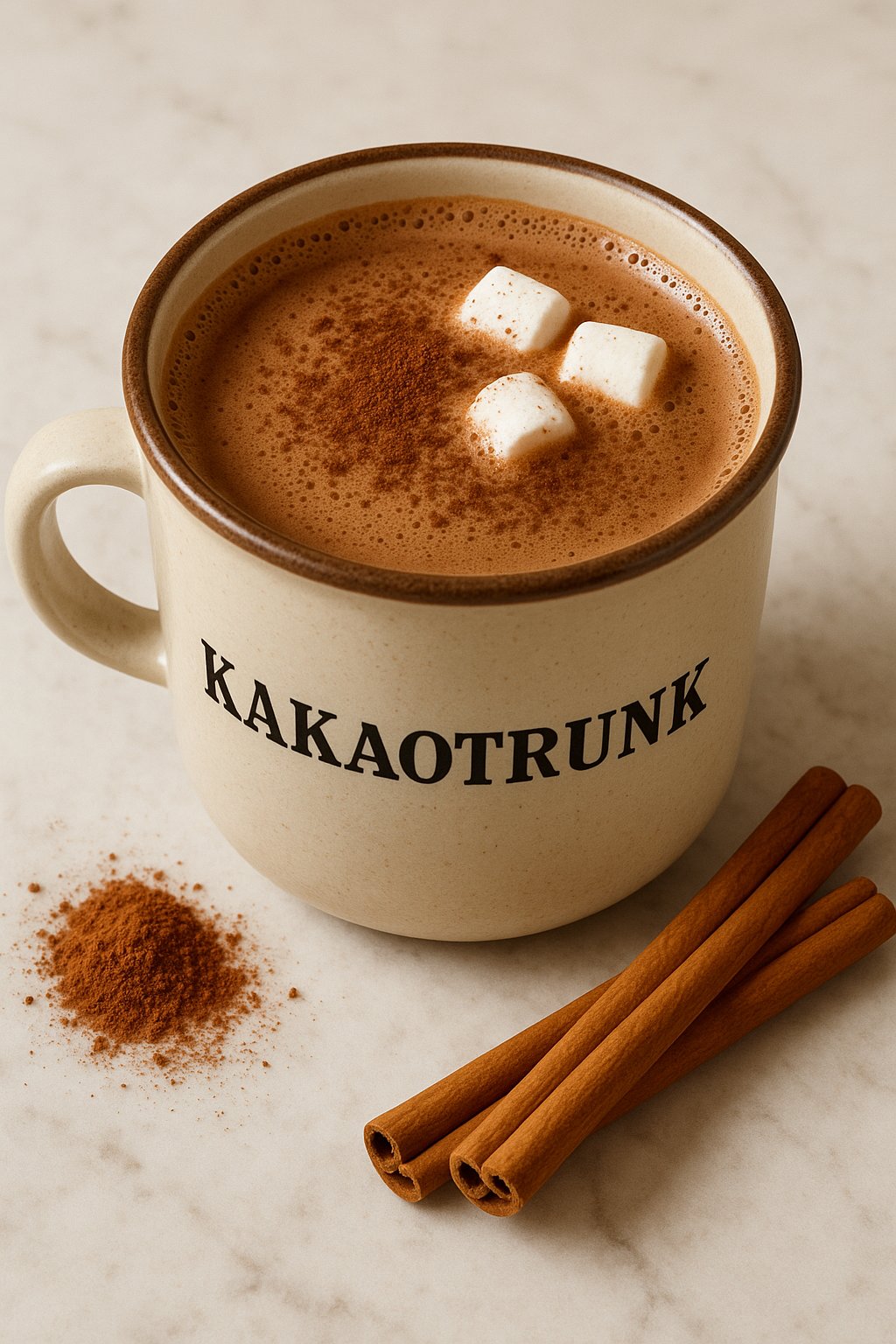
Sweet cocoa beverage based on milk – creamy and chocolatey.

Wiki about cocoa drink Nutri-Score C Vegan No Gluten-free Yes Lactose-free No Nut-free Yes
NUTRITION / 100 ml
70 kcal 3.3 g Protein 10.5 g Kohlenhydrate 2 g Fett

Introduction

Glass of cocoa drink with cocoa
I love Kakaotrunk because for me it's more than just a warm drink: it's an olfactory gateway to memories, a small morning ritual and sometimes the comforting end to a long day. I still remember a rainy day when I came home with wet shoes and a cup of hot Kakaotrunk immediately bathed the world in softer colors. The first sip was velvety, the warmth reached my fingertips and suddenly everything seemed possible again.

Kakaotrunk has many faces: it can be pure and dark like an espresso partner, or creamy-sweet with a hint of vanilla. A colleague of mine swore for years by a particularly bitter style, until at a tasting of a spiced cocoa he suddenly changed his mind. Since then he adds cinnamon and orange zest and grins at every cup.

What defines Kakaotrunk: the quality of the cocoa, the ratio of cocoa to milk or water, and the preparation. I often prefer true cocoa bean notes to powdered substitutes because they have that complex, fruity undertone that surprises and seduces. When I have time, I whisk the cocoa with a small whisk until a fine foam crown forms.
Sometimes I use a milk frother; sometimes I stir slowly and enjoy the sound of the cup.

  • Tips for home: less sugar, stronger cocoa;
  • lift the flavors with a pinch of sea salt;
  • for an exotic touch: add chili or cardamom.
I like Kakaotrunk best in good company, but it is also a wonderful solo entertainer. At the market I choose beans by their scent and tell myself stories about distant plantations – it's a kind of culinary daydreaming. Kakaotrunk for me is a small aromatic promise: warmth, pleasure and sometimes a touch of adventure in the cup.

Availability & types

Availability and types of Kakaotrunk mean where to find it and which different forms exist. Kakaotrunk is a drink made from cocoa beans and can be sold or prepared in many variants. You can drink it hot or cold, sweeter or less sweet, and there are simple ready-made packages as well as special varieties for chocolate lovers.

Origin and growing regions:
Cocoa beans grow on small trees in warm, humid regions near the equator. The cacao plant originally comes from the South American rainforest, but today beans are grown mainly in these regions:

  • West Africa (e.g. Ivory Coast, Ghana) – these are the largest producers worldwide.
  • Latin America (e.g. Ecuador, Brazil) – many aromatic, special varieties come from here.
  • Asia (e.g. Indonesia, Vietnam) – a lot of cocoa is grown there as well.
Imagine cocoa beans are like apples: even though they are all called “cocoa,” they taste differently depending on place, climate and soil – just as a garden apple tastes different from a supermarket one.


Available types and variants

  • Cocoa powder (natural) – this is pulverized cocoa mass without much sugar. It tastes strong and slightly bitter, like robust black tea.
  • Cocoa powder (dutch-processed / alkalized) – this powder is milder and darker because it has been treated. It's like a softer apple compared to a very tart one.
  • Drinking chocolate / hot chocolate – often sold in sachets or blocks and contains sugar, sometimes milk powder. It is thicker and sweeter, ideal for cozy moments.
  • Instant mixes – quick to make: stir powder into warm water or milk. Convenient like a ready-made drink.
  • Ready-to-drink beverages (chilled) – bottles or cartons with cocoa ready to drink, similar to juice or milk.
  • Raw cocoa / raw variants – beans are processed more gently so some nutrients are preserved. The flavor can be strong and fruity.
  • Flavors – vanilla, cinnamon, cocoa with chili or mint are possible. It's like ice cream with different toppings.
  • Dairy-free / plant-based – for people who don't want cow's milk, there are mixes with oat, almond or soy drinks.
Quality and origin labels
On packages you sometimes find words like “Organic” or “Fairtrade”. Organic means the plants were grown without certain chemicals. Fairtrade indicates farmers were paid more fairly. These labels help to choose more consciously – similar to organic apples in the shop.

Where to get Kakaotrunk?
You can find it in supermarkets, health food stores, delicatessens and online. Special or regional varieties are more likely at specialty stores or directly from small producers. If you're curious, try different varieties – that way you'll find your favorite version, whether more bittersweet or more chocolatey-sweet.
Details & nutrition

Property Value
Unit ml
Calories per 100 70
Protein per 100 3.3
Carbohydrates per 100 10.5
Sugar per 100 9.5
Fat per 100 2
Saturated fat per 100 1.3
Monounsaturated fat 0.5
Polyunsaturated fat 0.1
Fiber per 100 0.5
Vitamin C (mg) per 100 0
Vitamin D (IU) per 100 20
Calcium (mg) per 100 120
Iron (mg) per 100 0.2
Nutri-Score C
CO₂ footprint 0.11 kg CO2e/100 ml
Origin EU (milk), processing often in Germany
Gluten-free Yes
Lactose-free No
Nut-free Yes
Vegan No
Note Nutritional values are typical reference values for ready-to-drink cocoa beverage (chocolate milk); they may vary depending on brand and recipe.

Technical & scientific information


Kakaotrunk denotes a beverage based on cocoa powder or melted cocoa mass, prepared with water, milk or milk alternatives and often with sugar and other ingredients. As an ingredient and product, Kakaotrunk combines the sensory properties of the cocoa bean with the nutritional and chemical characteristics of processed cocoa products. In the technical and food-chemical context, a distinction is made between natural, defatted cocoa powder and alkalized (»Dutch«) cocoa powder, because both variants exhibit significantly different physical and biochemical properties.

Chemical composition and constituents: the characteristic components of cocoa products are

  • Polyphenols (flavanols): particularly epicatechin, catechin and procyanidin oligomers, which possess antioxidant properties.
  • Methylxanthines: mainly theobromine and to a lesser extent caffeine; these compounds have stimulating and physiological effects on the cardiovascular and nervous systems.
  • Fats: mainly cocoa butter with a high proportion of saturated and monounsaturated fatty acids (e.g. stearic, palmitic, oleic acids).
  • Fiber and proteins: present in relevant amounts especially in defatted cocoa powder.
  • Minerals: notable are magnesium, potassium, phosphorus and iron.
Nutritional values vary widely depending on product and preparation. Typical defatted cocoa powders provide moderate energy per 100 g (around 200–250 kcal), contain relatively high fiber (up to 30–40 g/100 g), 10–20 g fat and 15–25 g protein. a commercial Kakaotrunk (250 ml) can contain from a few dozen kilocalories (e.g. water + unsweetened cocoa powder) up to several hundred kilocalories (whole milk + sugar, syrups), depending on the milk type and added sugar.

Processing methods: production of cocoa products begins with fermentation and drying of the beans, followed by roasting, cracking and removal of shells (winnowing). Shelled cocoa nibs are ground into cocoa mass, which in further processing separates into cocoa butter and press cake; the latter is milled to cocoa powder. The so-called alkalization (»Dutching«) changes color, flavor and solubility, but substantially reduces the content of intact flavanols. Further steps for producing instant cocoa powders include blending with sugar, milk powder, emulsifiers (e.g. soy lecithin) and drying processes to improve solubility.

Health aspects: epidemiological and clinical studies point to potential cardiovascular benefits of cocoa-containing products, attributed particularly to flavanols, as they can positively affect vascular function and blood pressure. These effects are dose-dependent and are attenuated by processing (alkalization, intense heating) and by the high sugar and fat content of finished beverages. The stimulating effects of theobromine and caffeine should be considered, especially in sensitive individuals, children and pregnant women. Furthermore, cocoa can, albeit rarely, be contaminated with undesirable substances such as heavy metals (e.g. cadmium) or mycotoxins (e.g. ochratoxin A), so supply chain controls are important.

In summary, Kakaotrunk is a versatile food with scientifically supported bioactive components, whose nutritional benefit strongly depends on the starting product and preparation method. A conscious choice of minimally processed cocoa powders and moderation of sugar and fat are crucial to maximize health benefits and minimize adverse effects.

Wiki entry for: cocoa drink
Active now: 18 visitors of which 2 logged-in members in the last 5 minutes