Menu & categories

Cinnamon sugar

Mixture of sugar and cinnamon used as a sweet spice

Wiki about cinnamon sugar Nutri-Score E Vegan Yes Gluten-free Yes Lactose-free Yes Nut-free Yes
NUTRITION / 100 g
395 kcal 0.3 g Protein 98 g Kohlenhydrate 0.4 g Fett

Introduction

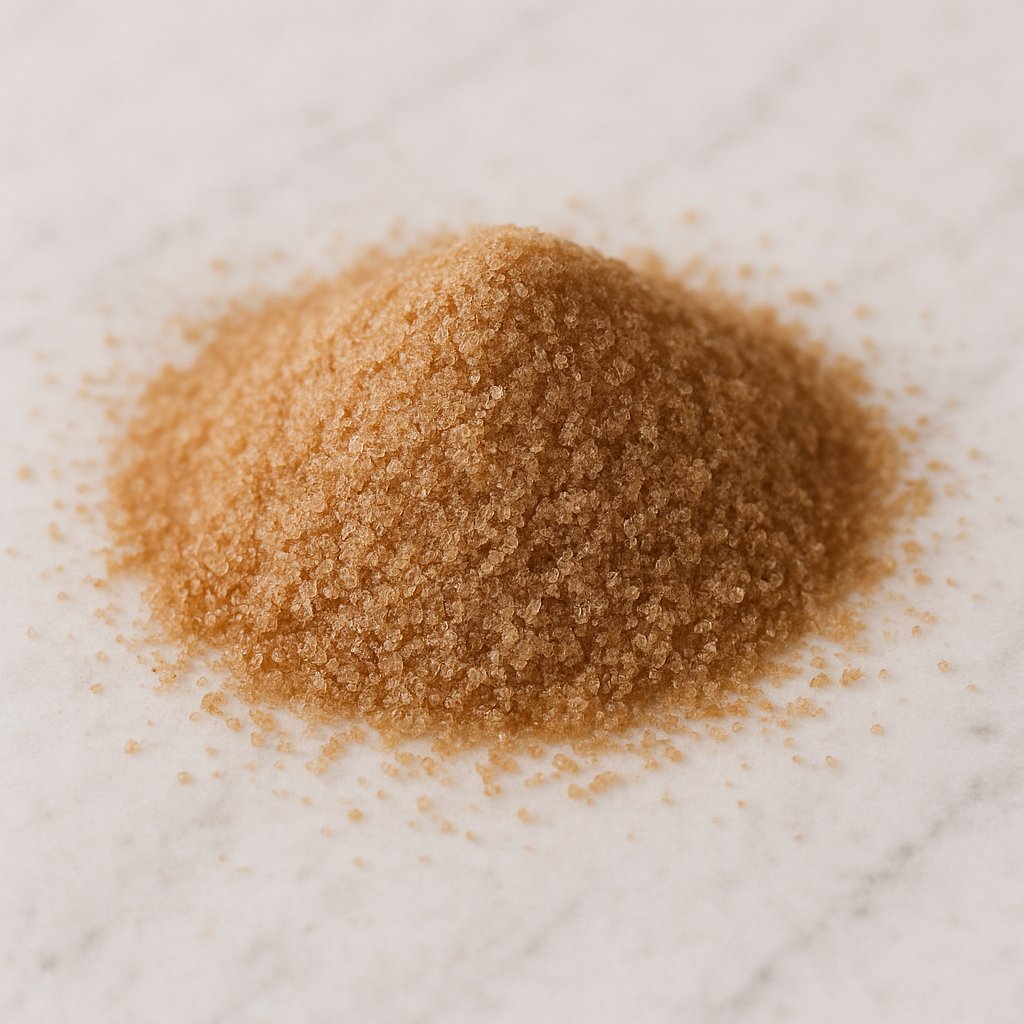
Cinnamon sugar in a small bowl with cinnamon sticks beside it
I love the scent of cinnamon sugar, that warm, sweet whiff that instantly brings back memories. When I think of Sunday breakfasts, I still see the grinning face of a friend who was first to reach for the freshly baked cinnamon roll — her fingers were sticky with sugar, and we had to laugh because none of us wanted to share the plate. For me cinnamon sugar is more than a mix of two ingredients; it is a little ritual that turns simple things like apple slices, pancakes or a cup of hot chocolate into special moments.

My version of perfect cinnamon sugar is simple: fine granulated sugar and a hint of ground cinnamon. Sometimes I experiment with varying cinnamon strengths depending on whether I sprinkle it on pastries or on buttered bread. I remember a rainy afternoon when I accidentally used too much cinnamon — the result was surprisingly good: an intense warmth that gave depth to the usual sugary sparkle. Since then I no longer measure so pedantically, but trust my taste.

Cinnamon sugar can be used in many ways and elevates everyday things to a new level. Here are some of my favorite uses:

  • Deli and baked goods: croissants, rolls and cinnamon buns instantly gain shine.
  • Fruit and yogurt: a dusting of cinnamon sugar on apple slices or in yogurt is simply divine.
  • Drinks: in hot milk or coffee cinnamon sugar provides a cozy spice.
  • Snacks: popcorn or roasted nuts benefit from the caramel-like note.
Practical tips matter to me: store cinnamon sugar airtight so the aroma doesn't dissipate. If I want to impress guests, I stir in some vanilla sugar or add a pinch of nutmeg for complexity. A colleague of mine insisted that freshly grated cinnamon makes the biggest difference — since then I buy whole cinnamon sticks and grind them fresh occasionally when I have time.

In the end cinnamon sugar is my uncomplicated secret weapon in the kitchen. It doesn't demand great cooking skills, only curiosity and the willingness to beautify the everyday. Every time I open a jar and the scent escapes, I look forward to the next little celebration: whether a spontaneous coffee get-together or a cozy evening with a slice of warm apple pie.

Availability & types

Availability and types of cinnamon sugar

Cinnamon sugar is a simple but popular mixture of two ingredients: cinnamon and sugar. You can find it almost everywhere because many people like to sprinkle it on cakes, in drinks or on fruit. It is available in supermarkets, bakeries and sometimes at markets. You can buy cinnamon sugar ready-made or make it yourself very easily by mixing sugar and cinnamon — it's as simple as baking cookies.

Origin
Cinnamon comes from the bark of cinnamon trees. These trees grow mainly in warm, humid regions of the world. Sugar usually comes from sugarcane or sugar beet, which are grown in many countries. If you imagine peeling a tree to get the bark, it's similar for cinnamon: workers cut thin layers of bark and dry them – this is how the brown cinnamon sticks you sometimes see are produced.

Growing regions
The main places where cinnamon is grown are:

  • Sri Lanka – known for particularly fine cinnamon, often called “Ceylon”.
  • Indonesia – a major producer of cinnamon for everyday use.
  • China – also a large producer, often for cheaper varieties.
  • Vietnam – also supplies a lot of cinnamon to the world market.
Sugar typically comes from tropical areas (sugarcane) or from cooler regions (sugar beet, grown in Europe). Both ingredients often travel long distances before they end up as finished cinnamon sugar on the shelf.

Available types and variants
There are different kinds of cinnamon sugar depending on which cinnamon or sugar variety is used. Here are the most common variants, explained as if to a child:

  • Ceylon cinnamon sugar – made from fine Ceylon cinnamon. This cinnamon is thinner and milder in flavor. It is often said to be “true” cinnamon.
  • Cassia cinnamon sugar – cassia is stronger and spicier. Many common supermarket mixes use this type because it tastes more intense.
  • White sugar + cinnamon – the classic mix. It is sweet and has the typical cinnamon taste, like in cinnamon star cookies.
  • Brown sugar + cinnamon – here the sugar itself already has a caramel-like note, so the cinnamon sugar tastes as if it were slightly browned, almost like on pancakes.
  • Fine or coarse cinnamon sugar – fine cinnamon sugar dissolves more easily, coarse sugar can be crunchy when sprinkled on pastries.
  • Organic variants – both cinnamon and sugar can come from organic farming. This means that cultivation was carried out in a more environmentally friendly way with less chemistry.
  • Spiced blends – sometimes cinnamon sugar is combined with other spices, like nutmeg or vanilla, giving it a special flavor similar to holiday baked goods.
When you buy cinnamon sugar, you can check the label to see which cinnamon the mixture contains or whether it is organic. Or you can make your own blend: a simple tip is to mix one part cinnamon with four parts sugar — this gives a pleasant taste that is not too sharp.

In summary: cinnamon sugar is easy to obtain because cinnamon and sugar are grown worldwide. There are mild to strong cinnamon types and different sugar kinds, so you can choose cinnamon sugar to suit your taste. Whether bought ready-made or homemade — cinnamon sugar is a small burst of flavor that makes many dishes even more delicious.
Details & nutrition

Property Value
Unit g
Calories per 100 395
Protein per 100 0.3
Carbohydrates per 100 98
Sugar per 100 97
Fat per 100 0.4
Saturated fat per 100 0.1
Monounsaturated fat 0.2
Polyunsaturated fat 0.1
Fiber per 100 2.0
Vitamin C (mg) per 100 0
Vitamin D (IU) per 100 0
Calcium (mg) per 100 30
Iron (mg) per 100 1.0
Nutri-Score E
CO₂ footprint 0.4
Origin Mixed product of sugar and ground cinnamon
Gluten-free Yes
Lactose-free Yes
Nut-free Yes
Vegan Yes
Note Nutritional values refer to a typical mixture of about 95% sugar and 5% cinnamon.

Technical & scientific information

Cinnamon sugar refers to a simple mixture of fine sucrose sugar and ground cinnamon used as a seasoning in baked goods, hot drinks and desserts. Chemically, cinnamon sugar is composed primarily of sucrose (C12H22O11), the disaccharide main component of table sugar, and a small proportion of secondary plant compounds from cinnamon bark. The cinnamon portion mainly includes essential oils (e.g. cinnamaldehyde), phenylpropanoids such as eugenol and coumarin-containing compounds, as well as resinous tannins and fiber derived from the dried bark.

Composition and nutritional values
A typical mixing ratio is between 5 and 10 percent cinnamon to 90–95 percent sugar, although commercial mixes vary. Nutritionally, cinnamon sugar provides almost exclusively energy in the form of carbohydrates (4 kcal/g or about 16–17 kJ/g). Per 100 g the mixture essentially contains around 99 g of available carbohydrates, consisting almost entirely of sucrose, while protein and fat contents are negligible. The micronutrient contribution from the cinnamon portion is minimal; cinnamon may contribute trace amounts of minerals such as calcium, iron and manganese, but these are nutritionally insignificant at typical serving sizes.

Processing methods
Cinnamon sugar is produced industrially or homemade. The simple method is to mechanically mix fine sugar with ground cinnamon. Industrial production may include additional steps, such as homogenization, sieving to ensure uniform particle sizes and in some cases the addition of anti-caking agents (e.g. very small amounts of calcium carbonate or lubricants) to reduce clumping in humid conditions. For finer aromatic profiles, cinnamon oil extracts or standardized cinnamon powders are sometimes used to guarantee a consistent cinnamaldehyde content.

Botanical and chemical background of the cinnamon portion
Cinnamon usually comes from the bark of Cinnamomum verum (true cinnamon, “Ceylon”) or Cinnamomum cassia (cassia cinnamon). The chemical composition of the essential oils differs between species: C. verum tends to have lower coumarin levels and a higher proportion of cinnamaldehyde, while C. cassia contains markedly more coumarin. Coumarin is a secondary plant compound with hepatotoxic potential at high doses; therefore the origin of the cinnamon is relevant for safety assessments.

Health aspects
In usual culinary amounts cinnamon sugar is largely harmless for the general population. Relevant health points are:

  • Sugar consumption: Due to the high sucrose content, cinnamon sugar contributes to total sugar intake; excessive consumption is associated with risks such as dental caries, weight gain and metabolic disorders.
  • Coumarin exposure: With regular or high consumption of cinnamon sugar made from coumarin-rich cinnamon species, coumarin intake can accumulate. Long-term high coumarin doses have been linked to liver toxicity in animal studies and are therefore limited in some guidelines.
  • Allergies and intolerances: Rare sensitizations to cinnamon components can cause contact reactions or oral irritations.
  • Potential effects of cinnamon compounds: Individual components such as cinnamaldehyde have been associated in vitro and in animal studies with antibacterial, antioxidant and certain metabolic effects; however, meaningful clinical evidence for relevant health benefits in humans from cinnamon sugar is limited.
Use and storage
Cinnamon sugar is suitable for sprinkling on baked goods, for refining oatmeal, pancakes and warm drinks like coffee or tea. To preserve aroma and prevent lumping, cinnamon sugar should be stored dry, protected from light and in an airtight container. Because essential oils are volatile, cinnamon aroma diminishes over months; therefore small batches are recommended for household use.

In summary, cinnamon sugar is a simple flavored sugar preparation with primarily culinary function. Chemically and nutritionally sucrose dominates, while the cinnamon portion provides aromatic compounds and small amounts of secondary plant substances whose origin and concentration are relevant for safety assessments – in particular with regard to coumarin.

Wiki entry for: cinnamon sugar
Active now: 17 visitors of which 2 logged-in members in the last 5 minutes