Availability and types of chocolate
Chocolate comes in many forms and is found almost everywhere in the world. But where does it actually come from and what kinds are there? Here I explain it very simply so that even a 12‑year‑old child can understand it well.
Origin
Chocolate is made from the seeds (also called "beans") of the cacao tree. These trees grow in warm countries near the equator because they need a lot of sun, warmth and rain. You can imagine it like a fruit plant that only grows well in special areas — like oranges that grow better in certain places than in cold countries.
Chocolate is made from the seeds (also called "beans") of the cacao tree. These trees grow in warm countries near the equator because they need a lot of sun, warmth and rain. You can imagine it like a fruit plant that only grows well in special areas — like oranges that grow better in certain places than in cold countries.
Growing regions
The main regions where cocoa is grown are countries in West Africa (for example Côte d’Ivoire and Ghana), parts of South America (like Ecuador and Brazil) and some countries in Southeast Asia (for example Indonesia). West Africa produces a large share of the world's cocoa. Often families work on plantations or small farms to harvest the cocoa beans.
The main regions where cocoa is grown are countries in West Africa (for example Côte d’Ivoire and Ghana), parts of South America (like Ecuador and Brazil) and some countries in Southeast Asia (for example Indonesia). West Africa produces a large share of the world's cocoa. Often families work on plantations or small farms to harvest the cocoa beans.
From the tree to chocolate – in short
When the cocoa pods are ripe, they are opened and the beans are taken out. These beans are first fermented (this is a kind of natural "letting things change" that improves the flavor) and then dried. After that they are roasted, ground and cocoa mass is produced. This cocoa mass can be further processed and together with sugar, milk or other ingredients it becomes the chocolate we know.
When the cocoa pods are ripe, they are opened and the beans are taken out. These beans are first fermented (this is a kind of natural "letting things change" that improves the flavor) and then dried. After that they are roasted, ground and cocoa mass is produced. This cocoa mass can be further processed and together with sugar, milk or other ingredients it becomes the chocolate we know.
Available types and variants
There are many chocolate types. Here are the most important, explained simply:
There are many chocolate types. Here are the most important, explained simply:
- Dark chocolate: This chocolate has a high cocoa content and less sugar. It often tastes somewhat more bitter. Some people like it because it has a strong flavor.
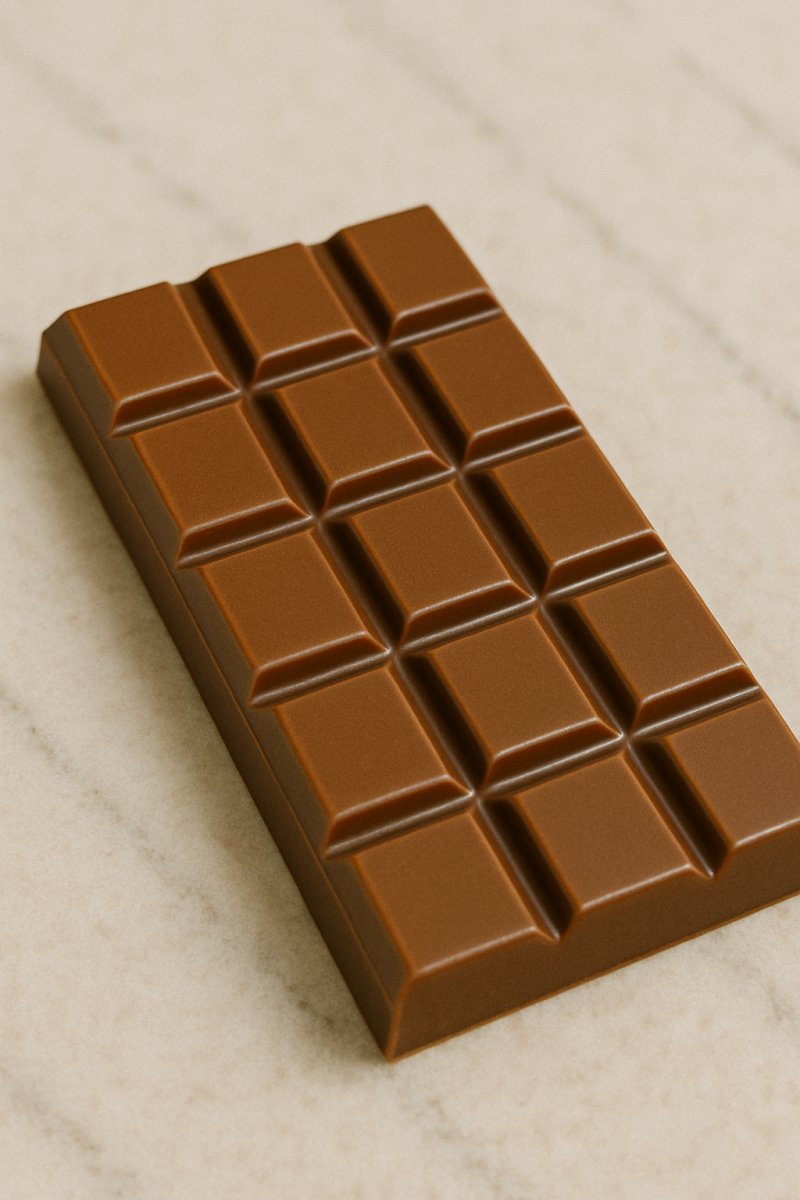
- Milk chocolate: This chocolate contains milk powder or condensed milk, so it is sweeter and creamier than dark chocolate. Many children especially like this variety.
- White chocolate: Technically it does not contain cocoa solids, but only cocoa butter (the fat from the cocoa bean), sugar and milk. That is why it is very sweet and has a light color.
- Couverture: This is chocolate made specifically for baking and coating cakes. It melts well and hardens again.
- Fillings and variants: Chocolate also comes with nuts, caramel, fruit fillings, cookies or spices. They are like different toppings on an ice cream — they change the taste and make chocolate exciting.
- Vegan or sugar‑free variants: For people who do not eat milk or pay attention to sugar, there are chocolates without milk or with substitutes. They often taste a bit different, but are a good alternative.
Availability
Chocolate can be found in supermarkets, bakeries, confectionery shops and even in vending machines. Some varieties are very widespread (like milk chocolate), others are rather special and are only sold in specialty shops (for example handmade chocolate from a small manufactory). Availability can also vary seasonally: at special festivals like Christmas or Easter there are often more varieties and special shapes.
Chocolate can be found in supermarkets, bakeries, confectionery shops and even in vending machines. Some varieties are very widespread (like milk chocolate), others are rather special and are only sold in specialty shops (for example handmade chocolate from a small manufactory). Availability can also vary seasonally: at special festivals like Christmas or Easter there are often more varieties and special shapes.
In summary: Chocolate grows as the product of a tropical tree, is cultivated in a few warm regions of the world and is then processed into many different varieties. Whether dark, with milk, white or with nuts — there is a suitable variant for almost every taste, and you can find chocolate almost everywhere for purchase.
