Menu & categories

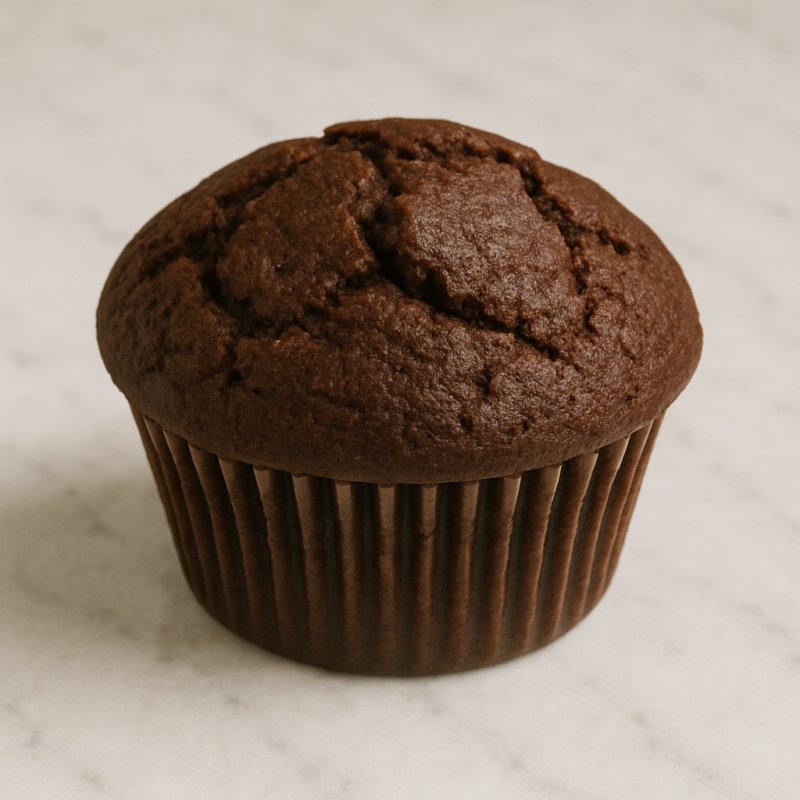
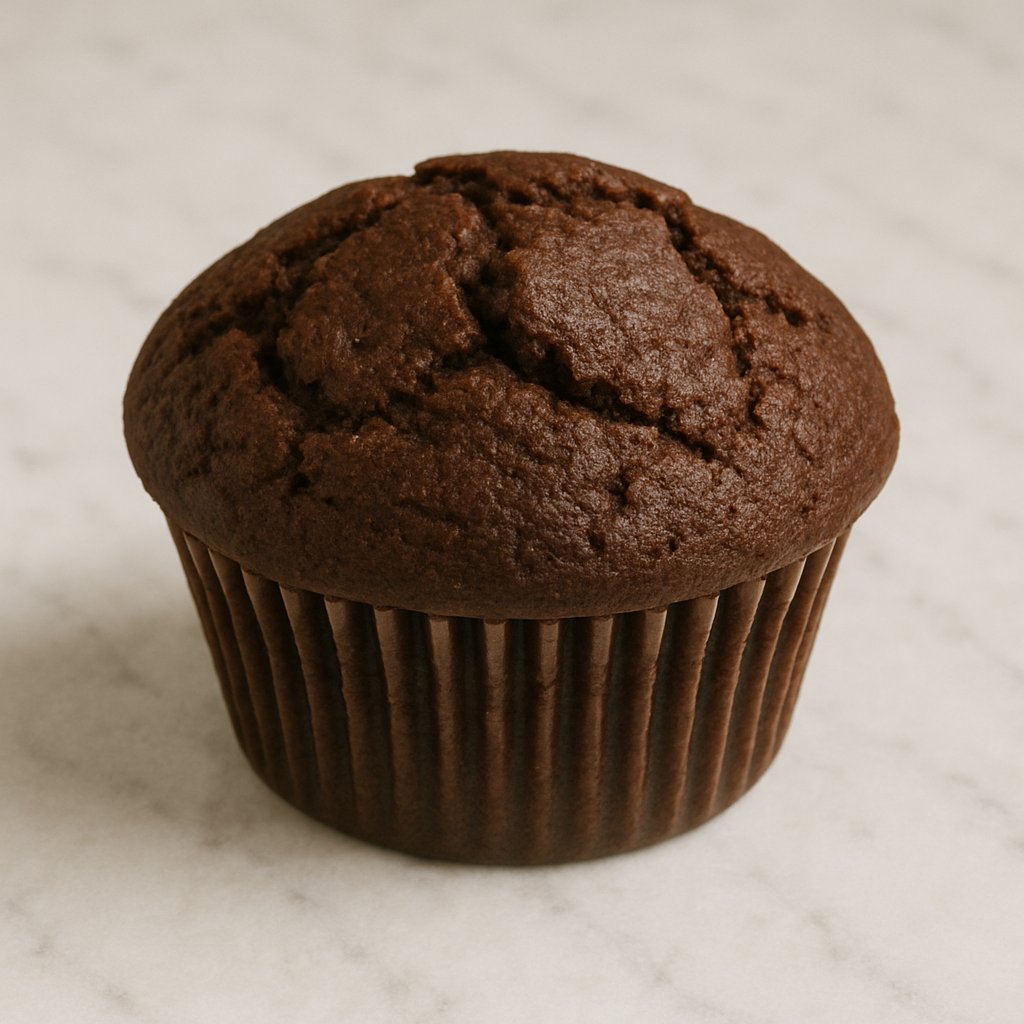
Chocolate muffin

Moist muffin with chocolate flavor

Wiki about chocolate muffin Nutri-Score D Vegan No Gluten-free No Lactose-free No Nut-free No
NUTRITION / 100 g
350 kcal 6 g Protein 45 g Kohlenhydrate 15 g Fett

Introduction

Chocolate muffin on a plate
I still remember well the first chocolate muffin I ever baked. It was a gloomy Sunday morning, and I just wanted something sweet to lift my mood. With a recipe from an old cookbook I had inherited from my grandmother, I set to work. The scent of melting chocolate and freshly baked batter soon filled the kitchen, and I could hardly wait to try the first bite. When I finally bit into the warm, moist muffin, I was in chocolate heaven – and that was the beginning of my passion for these little treats.

Chocolate muffins are not only a delight for the palate, they are also incredibly versatile. Whether as a sweet snack in between meals, as part of a cozy breakfast, or as the perfect thing to bring to an invitation – these muffins always fit. They are the result of a harmonious combination of sweetness and chocolate flavor, which comes through perfectly in every bite. A colleague of mine even once claimed that enjoying a chocolate muffin immediately brightens his grumpy mood. I can only agree with him!

For me, what is special about chocolate muffins is that they offer so many possibilities for variation. You can refine them with nuts, fruit, or even a pinch of chili to create an exciting twist. And when I think of the many baking evenings with friends, where we stood in the kitchen for hours creating the perfect muffins, I have to smile. Often those evenings ended with a contest to see who could bake the best muffin. We enjoyed the tasting more than the winning.

The preparation itself is very simple. You combine dry ingredients like flour, sugar, and baking powder with melted chocolate and wet ingredients like eggs and milk. A hint of vanilla of course must not be missing! The batter is then poured into muffin cups and baked in the oven until golden brown. The result is a divinely chocolatey muffin that is moist inside and slightly crisp on the outside.

When I bake a chocolate muffin today, I think of all the wonderful moments associated with it. Every bite tells a story, and I invite you to experience these stories yourself. So grab an apron, and let's dive together into the world of chocolate muffins – it will be a sweet adventure!

Availability & types

Chocolate is a very popular ingredient used in many delicious muffins. But where does chocolate come from and what different types are there? In this section you will learn all about the availability and types of chocolate used in muffins.

The history of chocolate begins in South America, where indigenous peoples cultivated cacao. Cacao comes from the cacao plant, which grows mainly in tropical regions. Today the main growing regions for cacao are countries such as:

  • Ivory Coast
  • Ghana
  • Indonesia
  • Ecuador
In these countries cacao is grown on large plantations. Cacao trees need plenty of sun, warmth and rain to grow well. The ripe cacao pods are harvested, opened and the beans inside are fermented, dried and finally processed into chocolate.

There are different types of chocolate that differ in taste and use. Here are the most common types:

  • Dark chocolate: This chocolate has a high cocoa content and is less sweet. It tastes intense and is often used in muffins because it gives a strong flavor.
  • Milk chocolate: This is sweeter and contains milk powder. It is the most popular chocolate for many people and is excellent for muffins that should have a creamier note.
  • White chocolate: This chocolate does not contain cocoa solids, but only cocoa butter, sugar and milk. It is very sweet and has a mild flavor. Sometimes it is used in muffins, especially when you want to add a special note.
There are also many variants of chocolate that can be used in muffins. For example:

  • Chocolate chips: These small pieces melt during baking and provide chocolatey surprises in every bite.
  • Cocoa powder: This powder is often used to give muffins a chocolate flavor without large pieces. It is simply mixed into the batter.
  • Puffed rice or nuts coated with chocolate: These can be used in muffins to give a crunchy bite while enhancing the chocolate flavor.
The availability of chocolate is very high nowadays. You can find it in many supermarkets and online shops in various forms and flavors. Whether you are looking for dark, milk or even very special varieties, you will surely find something. In many countries there are also local chocolate makers who offer special varieties you may never have tried.

Overall, chocolate plays an important role in the making of muffins. It not only gives them a delicious taste but also makes them a popular snack for young and old.
Details & nutrition

Property Value
Unit g
Average weight per piece 100
Calories per 100 350
Protein per 100 6
Carbohydrates per 100 45
Sugar per 100 25
Fat per 100 15
Saturated fat per 100 8
Monounsaturated fat 3
Polyunsaturated fat 1
Fiber per 100 2
Vitamin C (mg) per 100 0
Vitamin D (IU) per 100 0
Calcium (mg) per 100 50
Iron (mg) per 100 1.5
Nutri-Score D
CO₂ footprint 1.2
Origin Germany
Gluten-free No
Lactose-free No
Nut-free No
Vegan No
Note Ideal as a snack or dessert.

Technical & scientific information

Chocolate muffins are popular baked goods, notable for their moist texture and intense chocolate flavor. They belong to the muffin family, which is characterized by simple preparation and versatility. This article highlights the chemical composition, ingredients, nutritional values, processing methods and health aspects of chocolate muffins.

Chemical composition and ingredients

The basic ingredients of a chocolate muffin include flour, sugar, eggs, butter or oil, milk and baking powder. Chocolate can be added in the form of cocoa powder, chocolate chips or chocolate glaze.

The chemical composition of the main components is as follows:

  • Flour: Contains mainly starch (e.g. amylose, amylopectin), proteins (e.g. gluten) and fiber.
  • Sugar: Consists mainly of sucrose, which gives the muffin sweetness and contributes to the Maillard reaction, responsible for browning and aroma.
  • Eggs: Serve as a binding agent and contribute to lightness, as the egg white traps air when whipped.
  • Butter: Adds flavor and provides a tender texture through the formation of emulsions.
  • Cocoa: Contains flavonoids, which have antioxidant properties and give the muffin its characteristic flavor.
Nutritional values

The nutritional values of chocolate muffins can vary depending on the recipe, however they typically contain the following nutrients per muffin (approx. 100 g):

  • Calories: 350–450 kcal
  • Fat: 15–20 g (of which saturated fatty acids: 5–10 g)
  • Carbohydrates: 50–60 g (of which sugars: 25–35 g)
  • Protein: 4–6 g
  • Fiber: 2–4 g
Chocolate muffins are energy-dense and mainly provide rapidly available carbohydrates that serve as a source of energy. However, due to their high sugar content, they should be consumed in moderation.


Wiki entry for: chocolate muffin
Active now: 18 visitors of which 2 logged-in members in the last 5 minutes