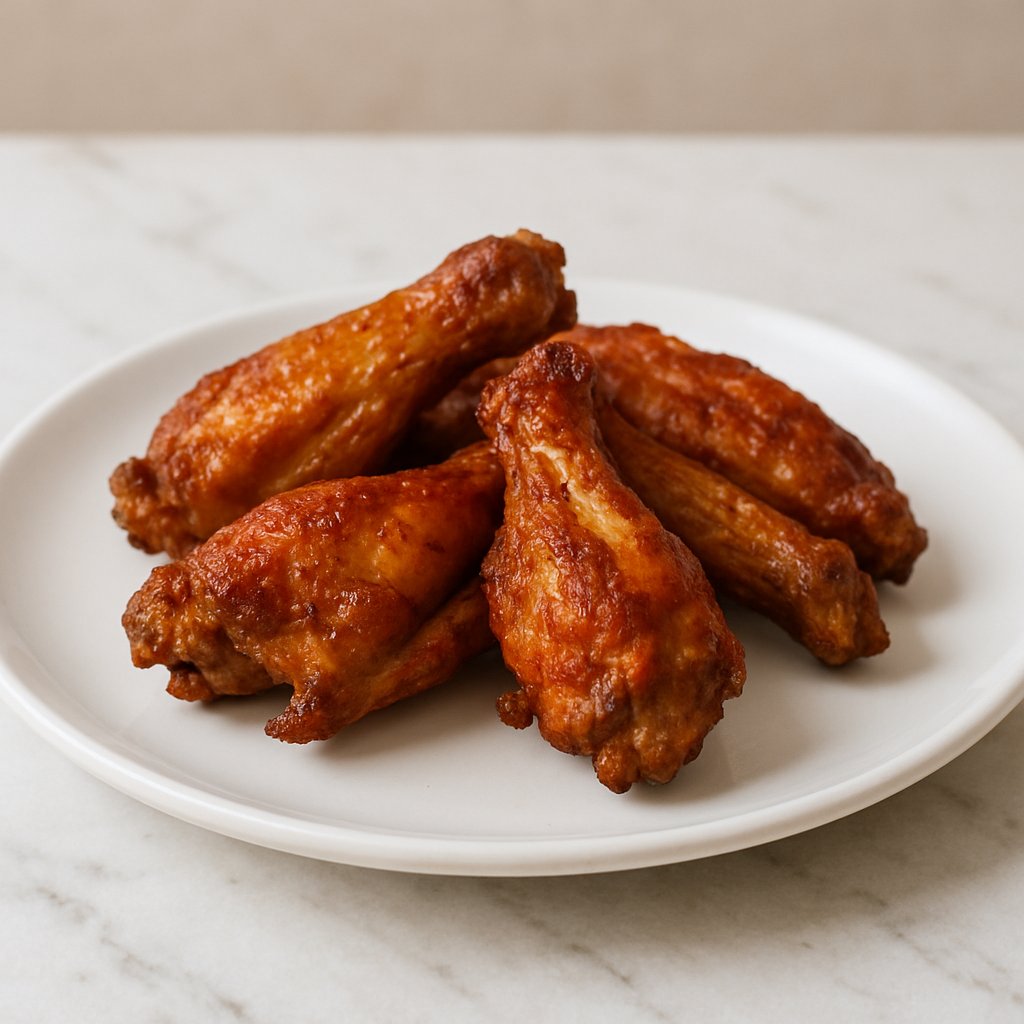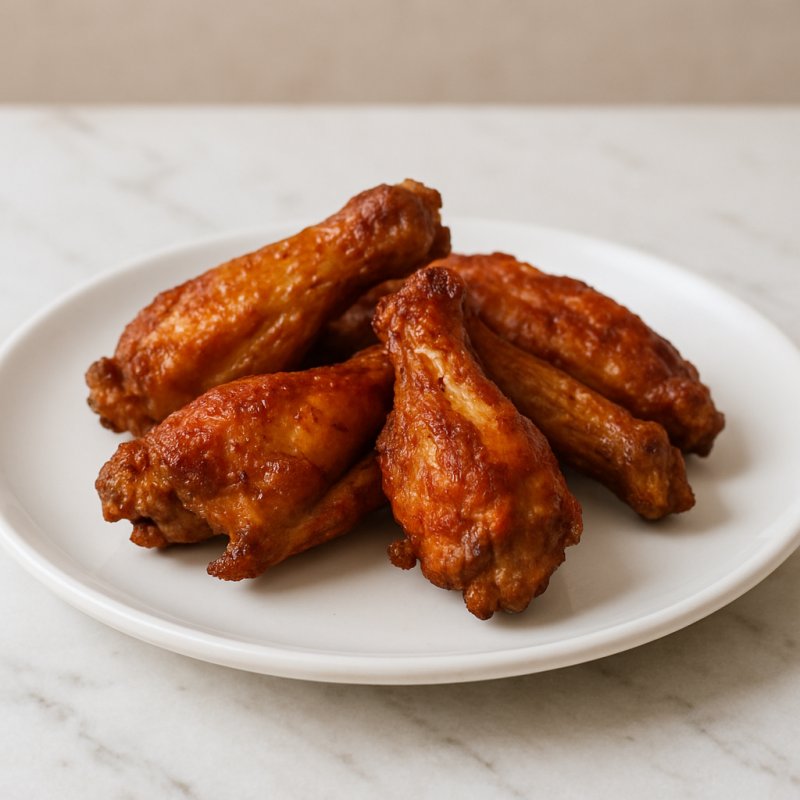
Availability and types of the ingredient chicken wings – that means: where they come from, where to find them and what varieties exist. I explain it so it's easy to understand, almost like a short discovery tour through the supermarket and the farm.
Origin
Chicken wings always come from domestic chickens raised specifically for meat. These chickens are kept on farms – some close to you, others in other countries. Large countries that produce a lot of chicken meat include Brazil, the USA, China and many countries in Europe. That does not mean all wings come from distant countries: many supermarkets also sell wings from local birds.
Chicken wings always come from domestic chickens raised specifically for meat. These chickens are kept on farms – some close to you, others in other countries. Large countries that produce a lot of chicken meat include Brazil, the USA, China and many countries in Europe. That does not mean all wings come from distant countries: many supermarkets also sell wings from local birds.
Growing regions and rearing systems
"Growing regions" here simply means: where the chickens are kept. There are different ways the chickens live, and that can affect flavor, size and price. The main types are:
"Growing regions" here simply means: where the chickens are kept. There are different ways the chickens live, and that can affect flavor, size and price. The main types are:
- Conventional indoor rearing – the chickens live indoors in barns. This is often cheaper and these wings are commonly found in supermarkets.
- Free-range – the chickens are allowed outside and have more space. Many people find the meat tastes better as a result.
- Organic – strict rules for housing, chemical-free feed and more space. Organic wings are usually more expensive.
- Regional farms – wings from nearby farms are fresh and you can sometimes even ask the farmer how the chickens were raised.
Available cuts and parts of the wing
A chicken wing consists of three parts, which are often sold separately. A simple way to picture them is with mental images:
A chicken wing consists of three parts, which are often sold separately. A simple way to picture them is with mental images:
- Drumette – looks like a small chicken drumstick. It is meatier.
- Flat (wing middle) – flat and long, has two thin bones, sometimes also called a "wingette".
- Tip (wing tip) – the pointed end, usually very little meat; often removed or used for stock.
Variants and preparation methods
In the store or on the menu you'll find chicken wings in many variants. Here are a few examples you're likely familiar with:
In the store or on the menu you'll find chicken wings in many variants. Here are a few examples you're likely familiar with:
- Fresh – in the chilled section, for seasoning and cooking yourself.
- Frozen – longer shelf life and practical if you want to stock up.
- Marinated – already in sauce, for example BBQ, honey-mustard or spicy (Buffalo).
- Breaded – breaded and pre-cooked, quick to finish in the oven or fryer.
- Pre-cooked or smoked – partially ready-made, just heat through.
Where to find them?
Chicken wings are available at the supermarket, the butcher, the weekly market and online. Some restaurants and snack bars offer their own specialties like spicy wings or sweet-savory variants. And the best part: chicken wings are available year-round, so you can buy or order them anytime.
Chicken wings are available at the supermarket, the butcher, the weekly market and online. Some restaurants and snack bars offer their own specialties like spicy wings or sweet-savory variants. And the best part: chicken wings are available year-round, so you can buy or order them anytime.
In summary: chicken wings come from chickens in different countries and rearing systems, they come in three main parts (drumette, flat, tip) and in many variants like fresh, frozen, marinated or breaded. You can choose whether to buy cheap or prefer regional or organic rearing depending on how important flavor, animal welfare and price are to you.