Availability and types
Where does chicken broth come from?
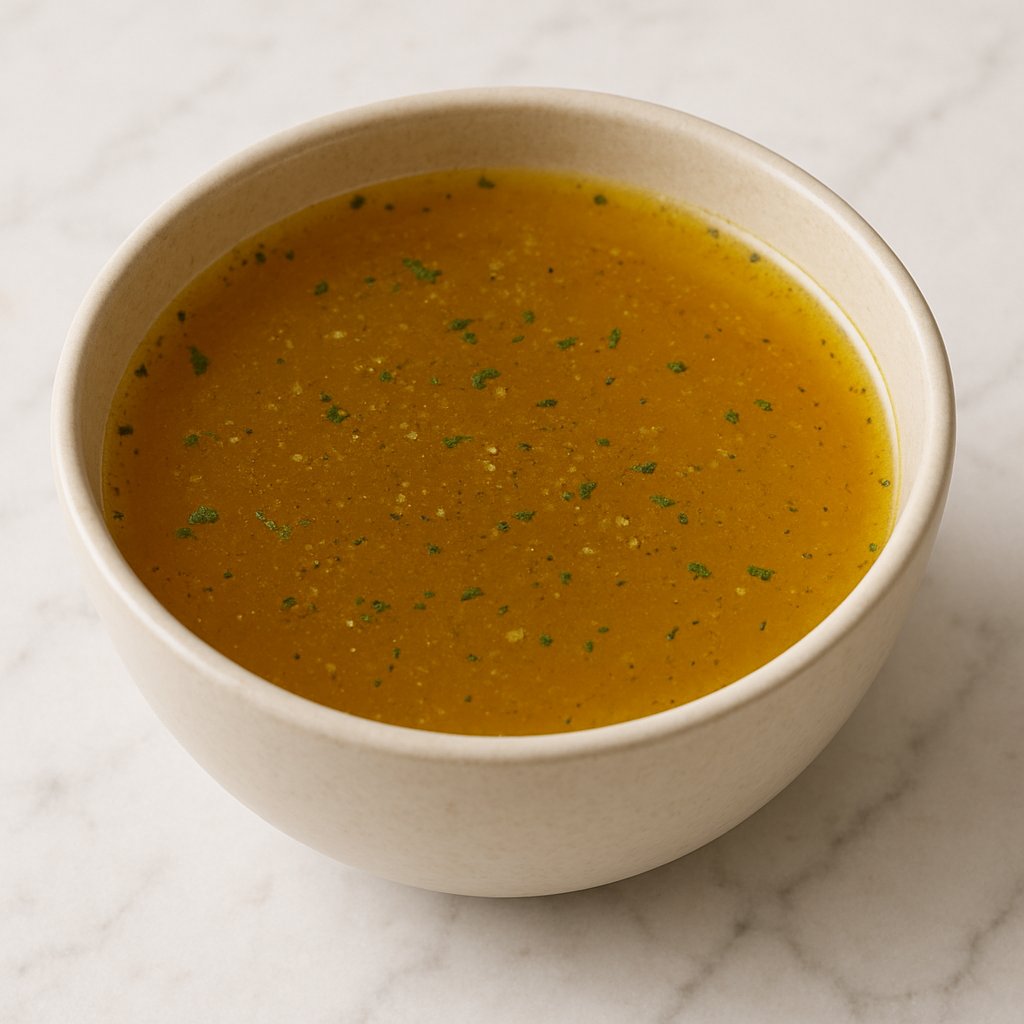
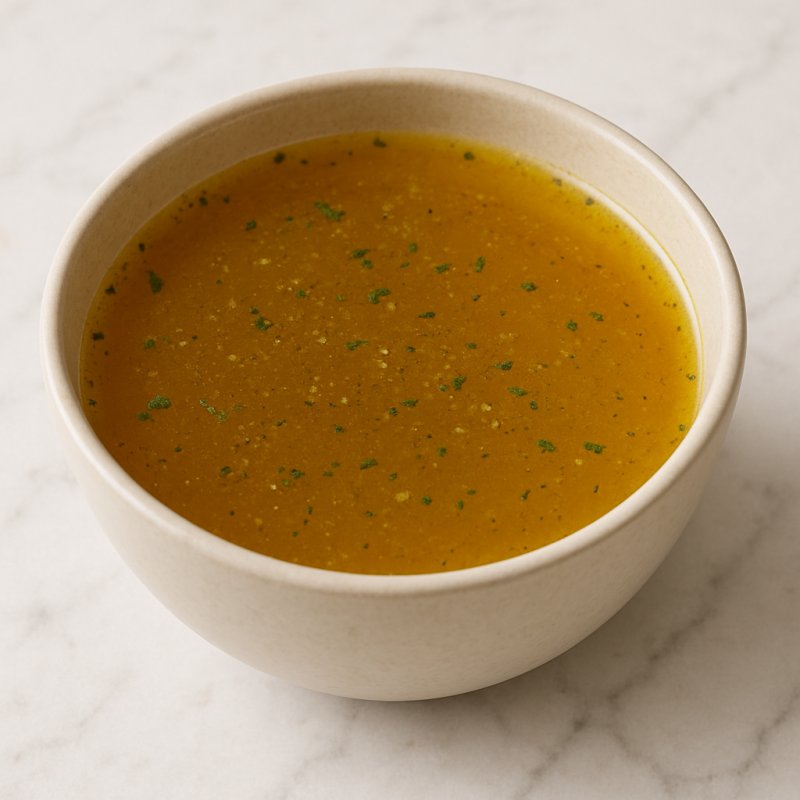
Chicken broth is made when chicken bones, meat, vegetables and spices are cooked in water for a long time. In the process, flavors and nutrients dissolve into the liquid – this is the broth. The chickens themselves usually come from farms, where they either live outside in the yard (this is called free-range) or are raised in larger barns. Some broths are also made from chicken leftovers from butcheries or slaughterhouses. Important: the origin often affects taste and quality.
Chicken broth is made when chicken bones, meat, vegetables and spices are cooked in water for a long time. In the process, flavors and nutrients dissolve into the liquid – this is the broth. The chickens themselves usually come from farms, where they either live outside in the yard (this is called free-range) or are raised in larger barns. Some broths are also made from chicken leftovers from butcheries or slaughterhouses. Important: the origin often affects taste and quality.
In which regions is chicken broth produced?
Chicken broth is produced almost everywhere in the world because chickens are kept in many countries. Large production centers are often found where a lot of poultry is raised, i.e. in countries with large agricultural sectors. You can find broth from Europe, North America, Asia and many other regions. Locally produced broths can have a slightly different taste than industrially produced factory versions because farmers and cooks use different recipes.
Chicken broth is produced almost everywhere in the world because chickens are kept in many countries. Large production centers are often found where a lot of poultry is raised, i.e. in countries with large agricultural sectors. You can find broth from Europe, North America, Asia and many other regions. Locally produced broths can have a slightly different taste than industrially produced factory versions because farmers and cooks use different recipes.
What varieties and variants are there?
Chicken broth comes in many different forms. Here are some common types, explained as if to a child:
Chicken broth comes in many different forms. Here are some common types, explained as if to a child:
- Homemade chicken broth: This is broth that people cook at home. It is made from fresh ingredients and can be very flavorful. You can season it to your taste, for example with more carrots or less salt.
- Purchased liquid broth: This is ready and sold in bottles or cartons. It is practical when you don't have time to cook. Some are low in salt, others more strongly seasoned.
- Bouillon cubes or instant powders: These are small cubes or powders that are dissolved in hot water to make broth. They are very convenient and have a long shelf life, but often contain more salt and sometimes additives.
- Concentrate or paste: A stronger form of broth that you dilute with water. A small spoonful is enough to get a lot of flavor.
- Organic or natural broth: This comes from chickens raised without many drugs or artificial feed. Many people like organic broth because they care about kinder animal husbandry.
- Low-fat or fat-free variants: In these types the fat is removed after cooking. They are lighter and good if you want to eat less fat.
- Spicy or flavored broths: Some broths are enhanced with extra herbs or spices like ginger, turmeric or garlic to give them a special taste.
- Ready meals with chicken broth: In some soups or ready meals the chicken broth is already included. This makes the dishes faster to prepare.
How to find the right broth?
If you want to buy broth, check the label: it will state whether it contains a lot of salt, additives or preservatives. Organic labels indicate that the chickens were raised organically. Homemade broth is often the best choice for flavor, but purchased products are practical. A simple comparison: homemade broth is like a homemade cake — you know exactly what's in it. Purchased broth is like a ready-made cake from the shop — quick and good, but sometimes with additives.
If you want to buy broth, check the label: it will state whether it contains a lot of salt, additives or preservatives. Organic labels indicate that the chickens were raised organically. Homemade broth is often the best choice for flavor, but purchased products are practical. A simple comparison: homemade broth is like a homemade cake — you know exactly what's in it. Purchased broth is like a ready-made cake from the shop — quick and good, but sometimes with additives.
Summary
Chicken broth comes in many variants: home-cooked, as a ready product, in cube form or as an organic product. It is produced worldwide, with slightly different tastes depending on the region. When buying, it's worth checking ingredients and origin, especially if you value less salt or animal-friendly farming. That way everyone finds the broth that best suits their needs.
Chicken broth comes in many variants: home-cooked, as a ready product, in cube form or as an organic product. It is produced worldwide, with slightly different tastes depending on the region. When buying, it's worth checking ingredients and origin, especially if you value less salt or animal-friendly farming. That way everyone finds the broth that best suits their needs.