Menu & categories

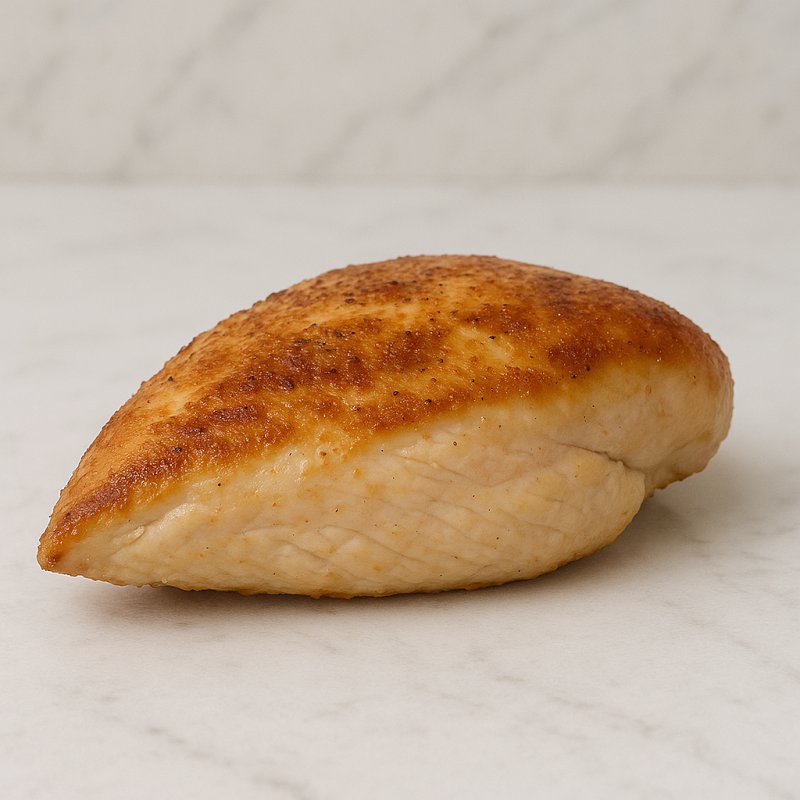
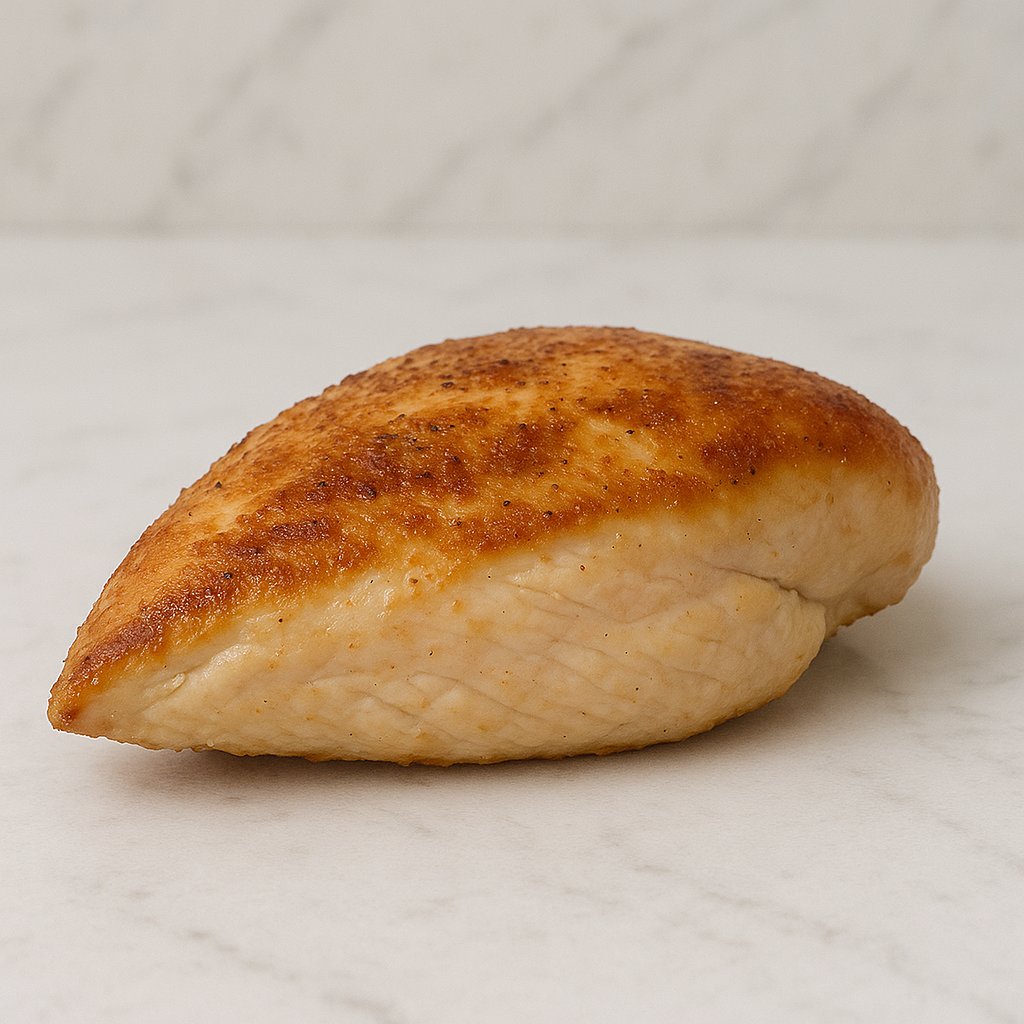
Chicken breast

Lean, protein-rich poultry meat

Wiki about chicken breast Nutri-Score A Vegan No Gluten-free Yes Lactose-free Yes Nut-free Yes
NUTRITION / 100 g
110 kcal 23 g Protein 0 g Kohlenhydrate 1.5 g Fett

Introduction

Raw chicken breast fillets on a cutting board
I remember the day I first really understood how adaptable chicken breast can be. I was standing in a small kitchen, the scent of lemon and thyme in the air, and a friend looked at me skeptically: "Isn't that too dry?" I smiled, because I knew the right preparation can turn an apparently boring piece of meat into something incredible.

To me chicken breast is, above all, a chameleon. It soaks up flavors like a sponge and fits both simple everyday dishes and refined menus. I cook it grilled, pan-seared, braised, or thinly sliced and marinated raw for quick salads. Sometimes I bread it until crispy like a childhood sandwich, other times I slice it finely to bind a silky pasta sauce.

A colleague once brought a recipe in which the breast rested overnight in a yogurt marinade. The result was surprisingly juicy and flavorful. Since then I follow some basic rules that I almost observe ritualistically:

  • Watch the temperature: Chicken breast should not go into the pan ice-cold so it cooks evenly.
  • Don't forget to season: Salt early, herbs and acid depending on the dish — lemon, garlic, paprika are my favorites.
  • Allow to rest: Letting it rest briefly yields juicier results.
I also like the variety of cuisines chicken breast fits into: from Mediterranean flavors with olives and tomatoes to Asian marinades with soy sauce and ginger. Once I served chicken breast thinly sliced with a spicy peanut sauce — the combination of tender texture and bold flavor surprised all the guests.

Chicken breast is also practical: easy to find, relatively inexpensive and versatile to keep on hand. For quick evenings I often prepare several pieces, vacuum-pack or store them in the fridge, so I can create a varied meal within minutes. I love how it plays a familiar but always new role in each of my recipes.

Availability & types

Availability and types of chicken breast

Chicken breast is one of the most commonly used cuts of meat in the kitchen because it is tender, lean and easy to prepare. If you want to know where it comes from and what types exist, it's not that complicated. Here is a simple overview so you know what to look for when shopping or cooking.

Origin
Chicken breast comes from domestic chickens, i.e. ordinary chickens raised by people for meat or eggs. These chickens are raised on farms. Some farms are small and family-run, others are larger and supply shops and supermarkets with meat. There is no special "cultivation" like with vegetables; rather, one speaks of husbandry. It matters whether the chickens have lots of space, can roam outdoors, or live only in barns — this often affects flavor and quality.

Breeding areas / places of origin
Chickens are kept almost everywhere in the world. In Europe, North America, South America and Asia there are large chicken farms. In Germany many chickens come from regional farms. If a country or place is listed on the packaging, you know where the meat comes from. Sometimes it will say "from the EU" or similar, which means the animals were raised in a European country.

Available types and variants
There are different kinds of chicken breast that differ by husbandry, processing or cut. Here are some important variants, simply explained:

  • Fresh chicken breast: Sold chilled shortly after slaughter. It is soft and must be kept refrigerated.
  • Frozen chicken breast: It is frozen so it keeps longer. This is practical because you can defrost it when you need it — like ice in the freezer.
  • Whole piece vs. cutlets: Sometimes you get the breast as a whole piece, sometimes already sliced (cutlets). Whole pieces are good for roasting, slices are convenient for quick frying.
  • With or without skin: Skin makes the meat juicier and crispier when roasted. Without skin it is leaner and healthier if you want to watch fat intake.
  • Boneless: Chicken breast is usually sold boneless because it is easier to eat and process.
  • Organic chicken breast: Organic means the animals have more space, are fed organic feed and certain rules are followed. Organic can be more expensive, but many people prefer it because husbandry is often seen as "more natural."
  • Free-range chicken breast: These chickens are allowed outdoors. The term "free-range" indicates the animals had more movement, similar to being able to play outside instead of staying inside a room.
  • Label and quality marks: Packaging sometimes shows symbols like "Protected Designation of Origin" or specific quality seals. These indicate the product meets certain rules — for example how the animals were raised.
  • Marinated or seasoned variants: In supermarkets you can also find chicken breast already treated with herbs, sauces or spices. This saves time in cooking; just check the ingredient list if you want to avoid salt or additives.
In summary: you can get chicken breast fresh or frozen, with or without skin, from different husbandry systems such as conventional, organic or free-range. Packaging often includes information on origin and husbandry — a quick look helps you choose the variant that suits you. That way you know where the meat comes from and what to expect in cooking.
Details & nutrition

Property Value
Unit g
Average weight per piece 150
Calories per 100 110
Protein per 100 23
Carbohydrates per 100 0
Sugar per 100 0
Fat per 100 1.5
Saturated fat per 100 0.4
Monounsaturated fat 0.5
Polyunsaturated fat 0.3
Fiber per 100 0
Vitamin C (mg) per 100 0
Vitamin D (IU) per 100 20
Calcium (mg) per 100 12
Iron (mg) per 100 0.7
Nutri-Score A
CO₂ footprint 3.0
Origin Poultry meat, typically from Europe
Gluten-free Yes
Lactose-free Yes
Nut-free Yes
Vegan No
Note Nutritional values refer to raw, unseasoned chicken breast without skin.

Technical & scientific information

Chicken breast refers to the muscle meat from the breast region of broiler chickens (Gallus gallus domesticus) and is a widespread ingredient in households and food service. It is predominantly skeletal muscle with low fat content, characterized by a light color, fine fiber structure and relatively tender texture. In food science chicken breast is classified as white poultry meat because the muscle fibers contain a high proportion of fast-contracting fibers (type II) that contain less myoglobin than red muscles.

Chemical composition and macronutrients: Fresh, skinless chicken breast consists mainly of water (about 70–75 %), protein (approx. 20–24 %) and a low proportion of lipids (typically 1–3 % without skin). The proteins are made up of structural proteins such as actin and myosin, along with sarcoplasmic proteins and enzymes. The amino acid profile is sufficiently complete to provide all essential amino acids, making chicken breast a high-quality protein source. Lipids are mainly located in intramuscular fat; the fatty acid spectrum includes a higher proportion of monounsaturated and polyunsaturated fatty acids, while saturated fatty acids occur in lower amounts.

Micronutrients: Chicken breast provides relevant amounts of B vitamins, particularly niacin (B3), pyridoxine (B6) and B12 (in lower amounts than red meat), as well as minerals such as phosphorus, selenium and potassium. Iron and zinc levels are lower than in red meat but still contribute to overall intake. Selenium in poultry is often relatively high and is important for antioxidant enzyme systems.

Processing methods and impact on nutritional values: Chicken breast is offered fresh, frozen, marinated, vacuum-packed or as part of further processed products (for example breaded or as cold cuts). Processing steps alter composition and sensory properties:

  • Vacuum cooking (sous-vide) reduces water loss and preserves texture and nutrients through gentle temperature control.
  • Roasting or grilling leads to Maillard reactions at the surface, enhancing color and aroma, but also causing more water loss and potential formation of thermolysis products.
  • Breading and frying significantly increase fat content and energy density.
  • Treatment with brine (salt solutions) increases water binding and can markedly raise sodium content; phosphate additives also improve water retention and texture.
Shelf life and microbiological aspects: Fresh chicken breast is susceptible to microbial spoilage; pathogens such as Salmonella and Campylobacter are commonly associated with poultry. Refrigeration (0–4 °C) slows growth, while frozen storage extends shelf life for months. Adequate heating (a core temperature ≥ 74 °C/165 °F is often recommended) can inactivate pathogenic microorganisms. Hygienic processing chains and cross-contamination control measures are crucial to minimize food safety risks.

Health aspects: Chicken breast is considered a lean protein source and is recommended in many dietary strategies, for example for muscle protein synthesis, weight management or protein-focused diets. Typical benefits include low saturated fat content and high protein per calorie. Potential drawbacks stem mainly from preparation method (fried variants, highly salted marinades) or residues of antibiotics and treatments in conventional products. The use of risk-reducing production practices and compliance with legal residue limits are important.


Sensorial and culinary properties: The texture of chicken breast is tender but becomes quickly dry and stringy if overheated, since the lean muscle contains little intramuscular fat. Common cooking goals are to achieve juiciness through gentle cooking methods, use marinades for flavoring and temper the meat to achieve optimal texture.

In summary, chicken breast is a nutritionally valuable, protein-rich food with low fat content. Scientific and technological measures in processing, storage and preparation strongly influence safety, nutritional value and sensory quality. Proper handling and appropriate cooking ensure safety and optimal enjoyment.

Wiki entry for: chicken breast
Active now: 15 visitors of which 2 logged-in members in the last 5 minutes