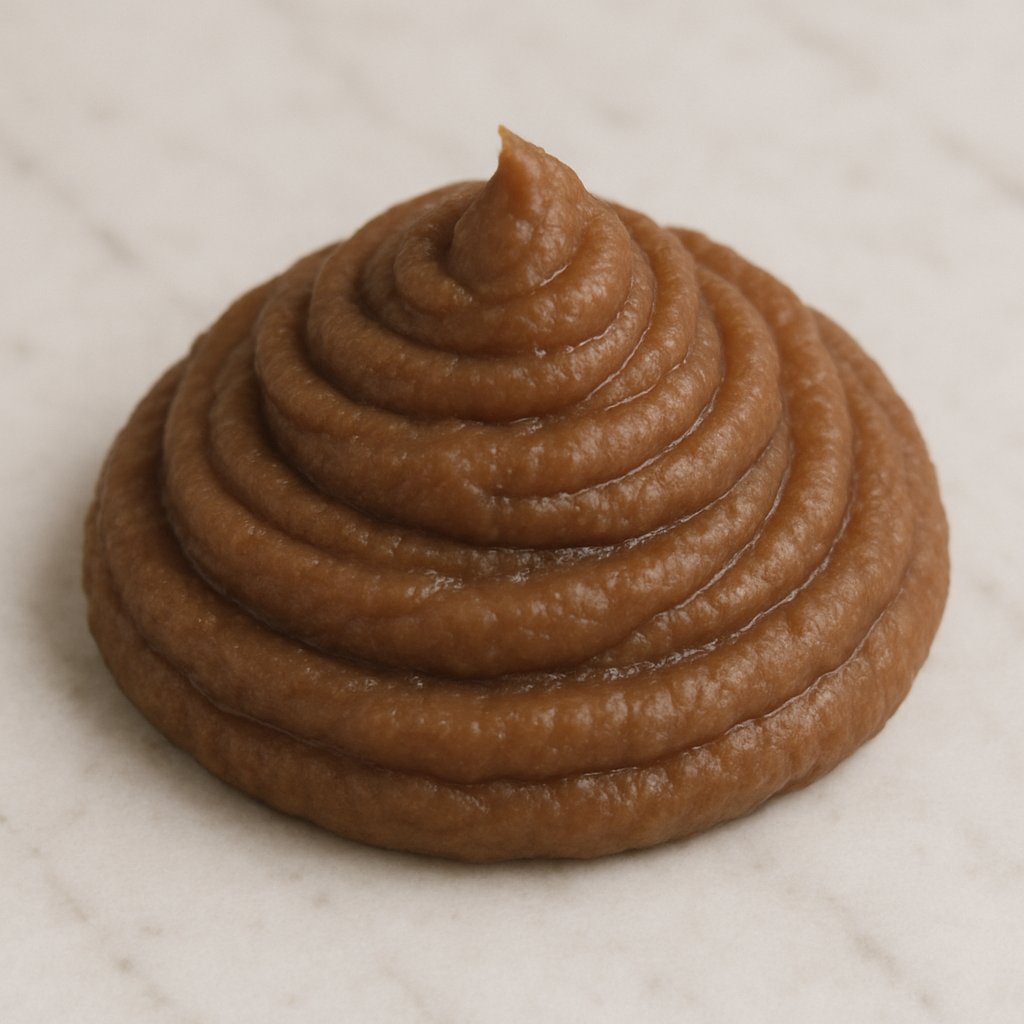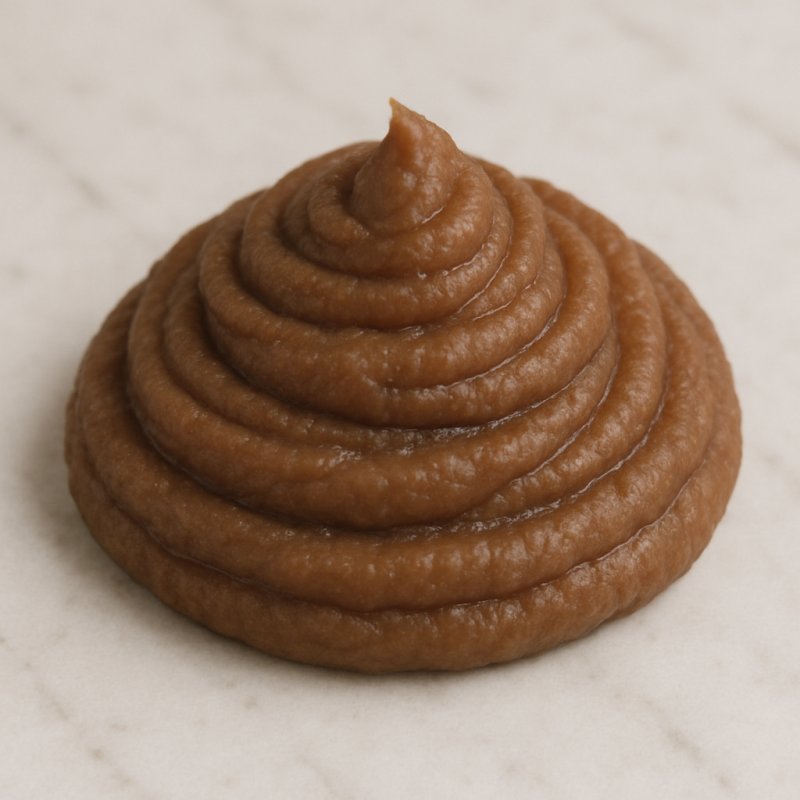
Availability and types
Chestnut purée comes from edible chestnuts, not to be confused with the spiky horse chestnuts often seen in parks. Edible chestnuts grow on chestnut trees that are found in many parts of Europe, especially France, Italy and Spain, but also in parts of Asia such as Japan and China. You can find them fresh at markets in autumn, since the harvest season is usually from September to November.
Fresh chestnuts are harder to process, which is why there are chestnut purées that are already cooked, finely mashed and often sterilized — this makes them longer lasting and ready to use.
Fresh chestnuts are harder to process, which is why there are chestnut purées that are already cooked, finely mashed and often sterilized — this makes them longer lasting and ready to use.
Where they come from – Origin and cultivation areas
- Europe: Especially France and Italy are known for good chestnut purée. In France there are regions like the Ardèche that have many chestnut trees. Chestnuts from there are often processed gently and have a slightly sweet taste.
- Spain: Spain also grows many edible chestnuts, particularly in mountainous areas where the trees thrive.
- Asia: In Japan and China edible chestnuts are also cultivated and processed. There are local recipes and processing methods that can make the chestnut purée taste somewhat different.
- America: In some parts of North America chestnuts are grown, but they are not as widespread there as in Europe or Asia.
Available varieties and variants
Chestnut purée is available in different variants. Here are the main ones, simply explained:
- Purée made from pure edible chestnuts: This is the simplest variant. The chestnuts are cooked, peeled and finely puréed. The taste is natural and slightly sweet.
- Sweetened chestnut purée (Marrons Glacés or Crème de Marrons): Some products are sweetened with sugar or honey. This makes the purée like a dessert spread — similar to jam, but with chestnut flavor.
- Preserved purée in jars or cans: This is long-lasting and practical for the kitchen. It is often sterilized or jarred so you can store it for months in the cupboard.
- Frozen chestnut purée: Some producers freeze the purée. This preserves flavor and nutrients especially well. Ideal if you have larger quantities or want to cook regardless of season.
- Organic variant: Chestnut purée from organic farming comes without many artificial additives or pesticides. For people who prefer organic products, this is a popular choice.
- With flavors or additives: There are also purées flavored with vanilla, rum or chocolate. These variants are often intended for desserts and taste a bit more special.
How to recognize availability
In supermarkets you usually find chestnut purée in the baking or deli aisle, often in jars. At weekly markets or in delicatessens you sometimes get artisanal purée that contains less sugar and tastes more intense. Online shops offer a wide selection, also from different countries — so you can easily order special varieties.
In summary: chestnut purée is available in many variants — pure, sweetened, organic, frozen or flavored. You find it seasonally fresh in autumn as chestnuts, but the purée itself is available year-round in jars or cans. That way you can use the gentle sweet aroma of the chestnut for cakes, spreads or savory dishes.