Menu & categories

Chestnut purée

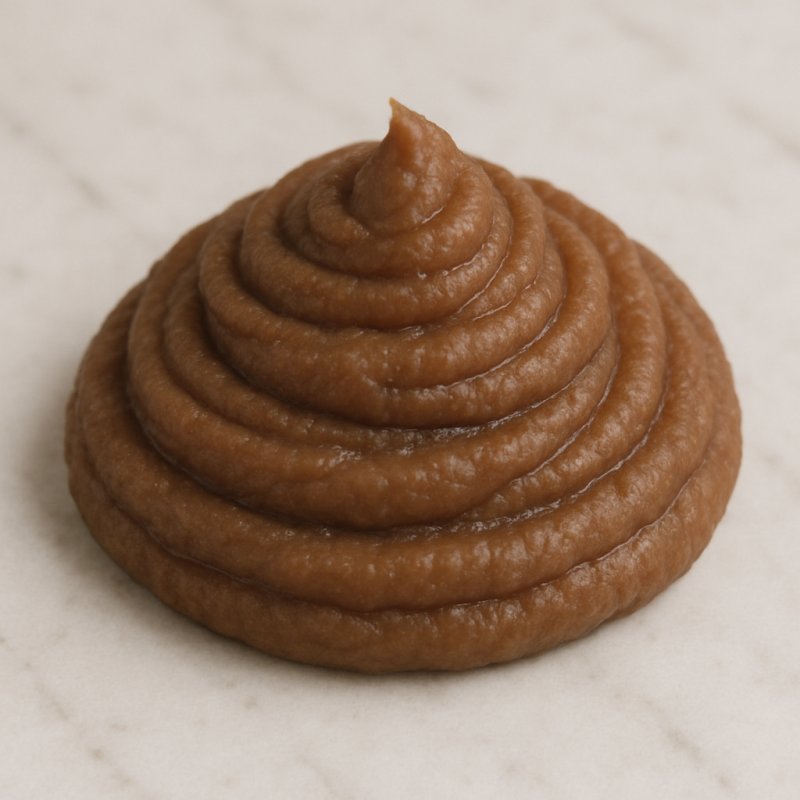
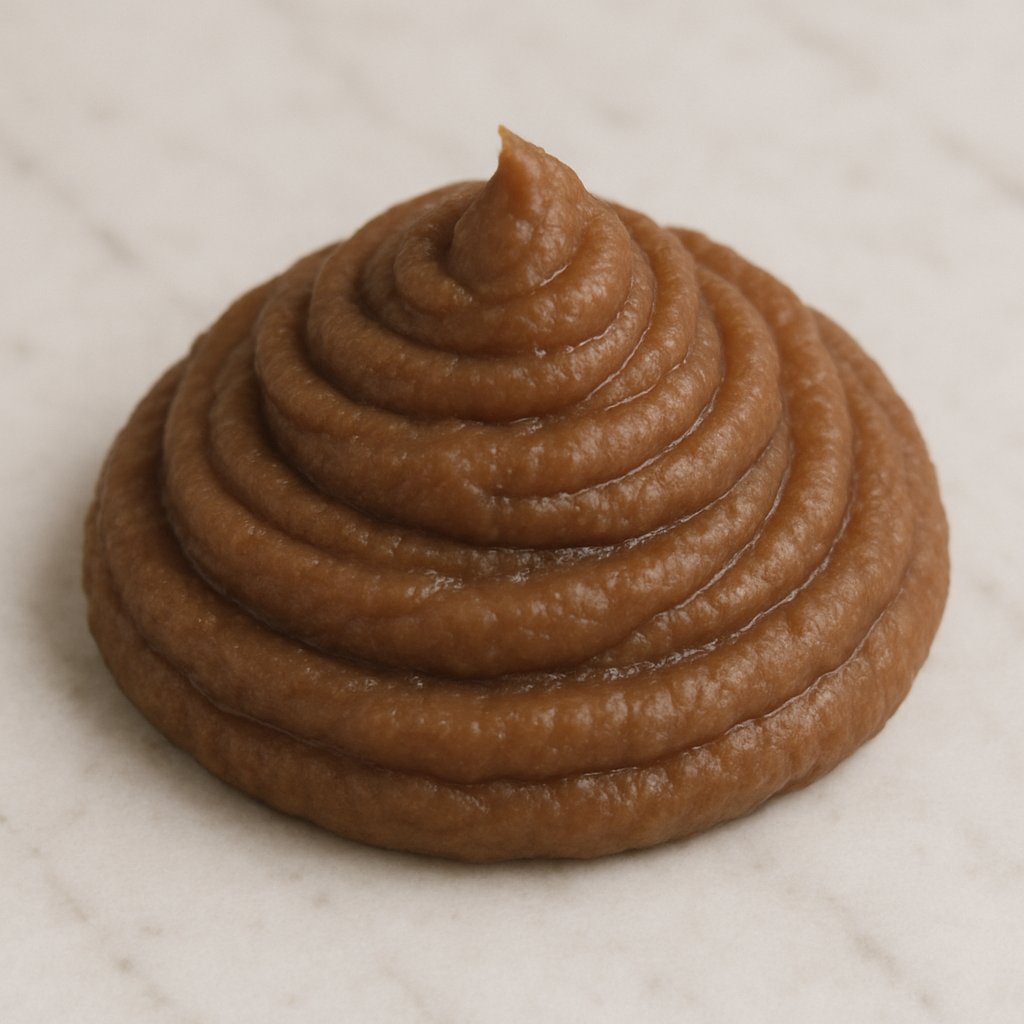
Creamy purée made from sweet chestnuts with a mild, slightly sweet aroma

Wiki about chestnut puree Nutri-Score B Vegan Yes Gluten-free Yes Lactose-free Yes Nut-free No
NUTRITION / 100 g
130 kcal 2.4 g Protein 27.0 g Kohlenhydrate 1.5 g Fett

Introduction

Bowl of creamy chestnut purée
I still remember the first spoonful of chestnut purée I tasted in a small café on the edge of a French market street: creamy, slightly sweet and with an earthy depth that immediately put me in an autumn mood. Since then chestnut purée has been one of those ingredients I keep sneaking into my kitchen because it is so versatile. It can elevate a simple dessert, round out a savory sauce, or serve as the base for a surprisingly elegant breakfast.

What fascinates me most about chestnut purée is the combination of simplicity and refinement. The raw chestnut is sturdy and a bit awkward, but when cooked and finely passed it becomes silky and almost luxurious. I've learned that good quality makes the difference: a naturally sweet, not overly artificially flavored purée brings depth, while industrially over-sugared varieties can mask the delicate nutty note. A colleague of mine swears by homemade purée because it gives control over texture and sweetness — I can only confirm that.

Tips for use

  • As a dessert: work it with a little whipped cream and vanilla into an elegant cream.
  • In savory dishes: combine it with stock and herbs into a velvety sauce for game or poultry.
  • As a spread: lightly sweetened on warm pancakes or toasted bread.
I also love the sensory side: when warmed a warm, nutty aroma rises that immediately evokes walks through rustling leaves. Once I served chestnut purée as a dip for baked apple slices — the guests' surprised looks said more than words. At the same time the ingredient is pragmatic: a jar of purée in the pantry can enhance a dish in minutes.

In the end chestnut purée for me is one of those ingredients that carry stories: of markets in Europe, of improvised dinners with friends and of quiet moments with a spoon and a cup of tea. It is simple, but never boring, and it's worth experimenting with variations — because it is precisely the unexpected that makes cooking so appealing to me.

Availability & types

Availability and types

Chestnut purée comes from edible chestnuts, not to be confused with the spiky horse chestnuts often seen in parks. Edible chestnuts grow on chestnut trees that are found in many parts of Europe, especially France, Italy and Spain, but also in parts of Asia such as Japan and China. You can find them fresh at markets in autumn, since the harvest season is usually from September to November.
Fresh chestnuts are harder to process, which is why there are chestnut purées that are already cooked, finely mashed and often sterilized — this makes them longer lasting and ready to use.

Where they come from – Origin and cultivation areas

  • Europe: Especially France and Italy are known for good chestnut purée. In France there are regions like the Ardèche that have many chestnut trees. Chestnuts from there are often processed gently and have a slightly sweet taste.
  • Spain: Spain also grows many edible chestnuts, particularly in mountainous areas where the trees thrive.
  • Asia: In Japan and China edible chestnuts are also cultivated and processed. There are local recipes and processing methods that can make the chestnut purée taste somewhat different.
  • America: In some parts of North America chestnuts are grown, but they are not as widespread there as in Europe or Asia.
Available varieties and variants

Chestnut purée is available in different variants. Here are the main ones, simply explained:

  • Purée made from pure edible chestnuts: This is the simplest variant. The chestnuts are cooked, peeled and finely puréed. The taste is natural and slightly sweet.
  • Sweetened chestnut purée (Marrons Glacés or Crème de Marrons): Some products are sweetened with sugar or honey. This makes the purée like a dessert spread — similar to jam, but with chestnut flavor.
  • Preserved purée in jars or cans: This is long-lasting and practical for the kitchen. It is often sterilized or jarred so you can store it for months in the cupboard.
  • Frozen chestnut purée: Some producers freeze the purée. This preserves flavor and nutrients especially well. Ideal if you have larger quantities or want to cook regardless of season.
  • Organic variant: Chestnut purée from organic farming comes without many artificial additives or pesticides. For people who prefer organic products, this is a popular choice.
  • With flavors or additives: There are also purées flavored with vanilla, rum or chocolate. These variants are often intended for desserts and taste a bit more special.
How to recognize availability

In supermarkets you usually find chestnut purée in the baking or deli aisle, often in jars. At weekly markets or in delicatessens you sometimes get artisanal purée that contains less sugar and tastes more intense. Online shops offer a wide selection, also from different countries — so you can easily order special varieties.

In summary: chestnut purée is available in many variants — pure, sweetened, organic, frozen or flavored. You find it seasonally fresh in autumn as chestnuts, but the purée itself is available year-round in jars or cans. That way you can use the gentle sweet aroma of the chestnut for cakes, spreads or savory dishes.
Details & nutrition

Property Value
Unit g
Calories per 100 130
Protein per 100 2.4
Carbohydrates per 100 27.0
Sugar per 100 6.0
Fat per 100 1.5
Saturated fat per 100 0.3
Monounsaturated fat 0.6
Polyunsaturated fat 0.5
Fiber per 100 5.0
Vitamin C (mg) per 100 20.0
Vitamin D (IU) per 100 0
Calcium (mg) per 100 30.0
Iron (mg) per 100 0.9
Nutri-Score B
CO₂ footprint 0.7
Origin Europe
Gluten-free Yes
Lactose-free Yes
Nut-free No
Vegan Yes
Note Nutritional values for unsweetened chestnut purée made from cooked sweet chestnuts, without further additives.

Technical & scientific information

Chestnut purée is a finely processed product made from edible chestnuts (Castanea spp.) used as an ingredient in sweet and savory recipes. It is produced by cooking, peeling and puréeing the chestnut kernels and can be plain or refined with sugar, water and flavorings such as vanilla. From a technological point of view it is a starch- and fiber-rich food with a soft, pasty texture determined by the combination of the swelling capacity of the starch and the chestnut's cell wall components.

Chemical composition and macronutrients
Fresh chestnuts have a high proportion of carbohydrates, mainly in the form of starch and free sugars, while the fat content is low compared to other nuts. Chestnut purée typically contains:

  • Carbohydrates: 40–50 % of dry matter, mainly amylose and amylopectin as well as mono- and disaccharides after thermal treatment.
  • Fiber: hemicelluloses, cellulose and pectins that influence the purée's viscosity and water binding.
  • Proteins: 3–5 % in the fruit, with an amino acid composition typical of plant foods but not a complete amino acid profile like animal proteins.
  • Fats: low proportion (1–3 %), predominantly unsaturated fatty acids.
  • Water: fresh purée has a high water content that strongly determines texture and shelf life.
Micronutrients and secondary plant compounds
Chestnuts provide relevant amounts of vitamin C, B vitamins (e.g. B6, folate) and minerals such as potassium, magnesium, iron and manganese. They also contain phenolic compounds and antioxidants, though at lower concentrations than many berries or nuts. Vitamin C content decreases with heating, while thermal processing yields more available sugars and altered starch matrices.

Processing methods
Industrial and artisanal production of chestnut purée includes several steps:

  • Roasting or boiling: facilitates shell removal and inactivates enzymes. Roasting leads to Maillard reactions that change aroma and color.
  • Peeling: removal of the hard shell and the inner brown skin to reduce bitter compounds.
  • Puréeing: mechanical grinding with the addition of water or syrup, often followed by filtration for a smoother consistency.
  • Preservation: adding sugar, pasteurization or sterilization extend shelf life; alternative methods are freezing or vacuum sealing.
Sensory and functional properties
The mouthfeel of chestnut purée is characterized by creaminess, fine graininess and a slightly sweet, nutty taste. Texture and viscosity depend on starch content, moisture content and particle size. In food technology chestnut purée is used as a filling, base for desserts, baking mixes or as a thickener. It interacts well with dairy products and fats and can be stabilized with sugar or alcohol.

Health aspects
Chestnut purée is energy- and carbohydrate-rich, making it suitable as a quick energy source. The contained fiber supports bowel function. People with tree nut allergies should be cautious, although chestnut allergies are less common than with other nuts. Because of the high starch and sugar content, consumption in large amounts should be considered for people with diabetes; the glycemic effect depends on processing degree and additives. In industrial products attention should be paid to added ingredients such as preservatives or sugars.

Storage and quality
Shelf life depends strongly on water activity, packaging and temperature. Sealed or sterilized chestnut purée is stable for months, while fresh purée in the refrigerator remains stable only for a short time. Quality indicators are an even color without dark oxidation spots, a fine smell without fermentative or rancid notes and a homogeneous texture without coarse particles.

Overall chestnut purée is a versatile ingredient with characteristic nutritional properties, valued in cooking and food technology for its taste, texturizing effect and nutrient profile. For nutrition-conscious use the ratio of natural starch content to added sugar and the chosen preservation method are decisive.

Wiki entry for: chestnut puree
Active now: 20 visitors of which 2 logged-in members in the last 5 minutes