Menu & categories

Cherry nectar

Fruity drink made from cherry juice and water with added sugar

Wiki about cherry nectar Nutri-Score D Vegan Yes Gluten-free Yes Lactose-free Yes Nut-free Yes
NUTRITION / 100 ml
65 kcal 0.3 g Protein 15.5 g Kohlenhydrate 0.1 g Fett

Introduction

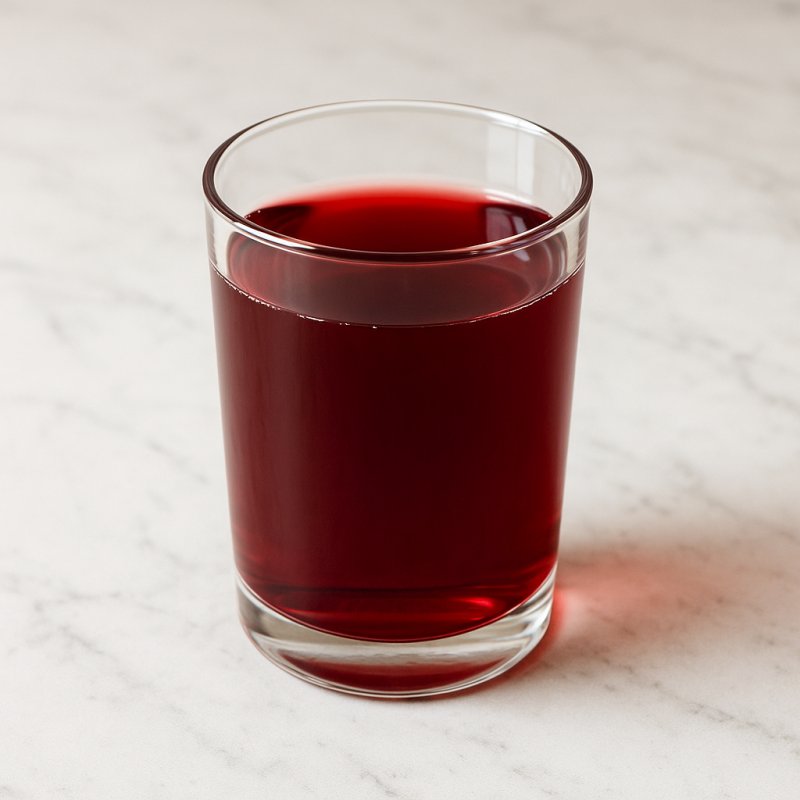
A glass of red cherry nectar with fresh cherries beside it
I still remember the first drink that really made me fall for cherry nectar: it was on a hot summer day at a small market, where an old stallholder handed me a glass of deep red juice and laughed, saying it was «Liquid happiness». The first sip was sweet but not cloying, with a fine acidity that immediately brought a smile to my face. Since then cherry nectar has kept surprising me, whether in cocktails, paired with strongly flavored cheeses or simply chilled in a glass.

To me cherry nectar is more than just a juice; it is a multi-layered food with culinary personality. The texture is velvety, often somewhat thicker than direct juice, and the aromas range from floral notes to a hint of almond, which comes through especially in darker varieties. I have learned that the origin of the cherries, the sweetness and even the processing techniques have a big influence on the final product. Once a friend from a rural area brought me a home-pressed version that was so complex I only discovered the nuances of undergrowth and warm spices hours later.

Cherry nectar is versatile and easy to integrate into the kitchen:

  • As a base for refreshing drinks or summer cocktails.
  • As an ingredient in sauces for dark poultry or pork.
  • In desserts, for example over vanilla ice cream or in panna cotta.
  • As a base for marinades with balsamic and herbs.
What I particularly appreciate is cherry nectar's ability to elevate simple dishes. A colleague of mine once mixed it with some mustard and olive oil into a salad dressing that instantly became everyone's new favorite at the office. From a health perspective cherry nectar provides antioxidants and natural vitamin C, although I always advise paying attention to the sugar content and choosing varieties without added sugar when possible.

In conclusion: cherry nectar is an underrated all-rounder in the kitchen. It combines sweetness and acidity in a charming way, works in both sweet and savory applications and with every glass tells a small story of summer, market stalls and spontaneous culinary discoveries. I hope my little love letter inspires you to experiment with cherry nectar yourself — maybe at the next dinner party or simply on a warm evening on the balcony.

Availability & types

Availability and types

Cherry nectar is a popular beverage made from cherries. Availability here means where and when you can buy cherry nectar, and types refers to the different varieties and versions available on the market. You can find cherry nectar almost everywhere: in supermarkets, health food stores, specialist beverage shops or online. In the summer months there are often more fresh offers because that's when the cherry harvest takes place, but cherry nectar is sold year-round in bottles and cartons.

Origin
Cherry nectar is made from cherries that grow on trees. There are two main types of cherries used for this: sweet cherries (which are often eaten raw) and sour cherries (also called tart cherries), which usually have more flavor and acidity. Sour cherries are often used for nectar because they give a more intense taste, similar to how lemon juice adds freshness to lemonade.

Growing regions
Cherries grow best in regions with warm summers and cool winters. Major cherry growing areas include:

  • Europe: Countries like Germany, France, Spain and Italy grow many cherries. In some regions the trees have been part of the landscape for many years.
  • North America: In the USA (for example in Washington State and Michigan) and in Canada there are large cherry orchards.
  • Asia: Countries such as Turkey and Iran are also important cherry producers.
The exact origin is often indicated on the packaging. If you want to know exactly where the cherries for your nectar were grown, read the label — it usually states the country or even the specific region.

Available varieties and versions
Cherry nectar comes in many different versions. Here are the main ones, explained simply:

  • 100% cherry nectar: This nectar consists mainly of cherry juice, sometimes with a little water or pulp. It tastes strongly of cherry.
  • Mixed juices: Some nectars are blended with other fruits, e.g. cherry-apple or cherry-beetroot. This changes the flavor and makes it milder or sweeter.
  • Light / reduced-calorie: These variants contain less sugar or are sweetened with sweeteners. They are like a leaner version of the regular nectar.
  • Organic cherry nectar: In organic products the cherries were grown without chemical pesticides. This is indicated on the label with an organic seal.
  • Cherry nectar with fruit pieces: Some products contain small fruit pieces or pulp that you can feel when drinking — like little bites in your juice.
  • Concentrate-based nectar: Here cherry juice was first concentrated and later diluted again with water. This makes storage and transport easier.
When selecting cherry nectar, pay attention to the ingredient list: the shorter and more understandable the list, the more natural the beverage often is. For a simple comparison: imagine 100% cherry nectar is like a pure cherry puree, while mixed or reduced-calorie variants are like a cherry juice with friends — they bring new flavor notes.

In summary: cherry nectar is easy to find, comes from various countries with suitable climates, and there are many variants — from the unadulterated 100% nectar and organic options to blends and reduced-calorie types. Check the label to know exactly what is in your bottle, and feel free to try different types to find your favorite flavor.

Details & nutrition

Property Value
Unit ml
Calories per 100 65
Protein per 100 0.3
Carbohydrates per 100 15.5
Sugar per 100 15.0
Fat per 100 0.1
Saturated fat per 100 0.01
Monounsaturated fat 0.02
Polyunsaturated fat 0.05
Fiber per 100 0.2
Vitamin C (mg) per 100 8
Vitamin D (IU) per 100 0
Calcium (mg) per 100 15
Iron (mg) per 100 0.3
Nutri-Score D
CO₂ footprint 0.25
Origin depending on the manufacturer, predominantly Europe
Gluten-free Yes
Lactose-free Yes
Nut-free Yes
Vegan Yes
Note Nutritional values for commercially available cherry nectar without additions such as vitamins or sweeteners; exact values may vary depending on brand and sugar content.

Technical & scientific information

Cherry nectar refers to a beverage made from cherry juice, water and possibly sugar or sweeteners. Unlike pure cherry juice, cherry nectar generally contains a lower fruit content and is often made from pitted sweet cherries (Prunus avium) or sour cherries (Prunus cerasus) as well as from concentrates. In food labeling the term “nectar” is used when a minimum fruit content is met and the beverage is ready to drink; the exact minimum requirements differ regionally according to legal regulations.

Chemical composition and constituents
Cherry nectar mainly consists of water and soluble solids, which include sugars, organic acids, phenolic compounds and dissolved minerals. The most important sugars are sucrose and the free glucose and fructose. Primary organic acids include citric and malic acid and, to a lesser extent, tartaric acid, which together determine pH and the sensory perception of acidity. Colorants are mainly anthocyanins, responsible for the red to dark red color. Flavonoids and other polyphenols are also present and have antioxidant properties. Mineral contents vary but are typically low to moderate and include potassium, magnesium and small amounts of calcium and iron.

Nutritional profile
The nutritional value of cherry nectar depends heavily on fruit content and added sugar. Typical values per 100 ml are about 40–60 kcal, mainly from carbohydrates (approx. 10–15 g), if sugar has been added. Fiber content is low because fibers are largely removed during juicing. Micronutrients such as vitamin C are present but in lower amounts than in unprocessed fruit; vitamin C content can be further reduced by heating and storage.

Processing methods
Industrial production begins with washing, sorting and pitting the fruit. The cherries are then crushed and pressed to obtain juice. Raw juice is often filtered and, if needed, concentrated to facilitate transport and storage. When reconstituting drinking nectar, the concentrate is mixed with water, sweeteners and, if necessary, acidity regulators and stabilizers. Thermal processes such as pasteurization or sterilization are used for preservation; modern techniques like high-pressure processing (HPP) are also employed to better retain sensory and nutritional properties. Additives are frequently used for clarity, stability and shelf life and may include pectin, citric acid or ascorbic acid.

Health aspects
Cherry nectar can be part of a balanced diet, providing energy and plant secondary metabolites like anthocyanins, which are associated with anti-inflammatory and antioxidant effects. Studies on cherry products suggest potential benefits in reducing muscle soreness after intense exertion and positive effects on sleep quality through melatonin precursors, although the evidence is heterogeneous. It is important to note the often elevated sugar content of commercial nectars, which, if consumed excessively, can contribute to increased risk of overweight, tooth decay and metabolic diseases. People with fructose intolerance should pay attention to the fructose content.

Storage and sensory properties
Cherry nectar exhibits a typical aroma profile of fruity, slightly acidic and often almond-like notes, caused by volatile compounds such as benzaldehyde, which occur in stone fruits. Color and aroma can be affected by light, oxygen and temperature. Dark, cool storage and airtight packaging extend quality. Once opened, refrigeration and prompt consumption are recommended.

Overall, cherry nectar is a versatile product with characteristic phytonutrients and sensory qualities; its nutritional value depends largely on fruit content, added sugar levels and the processing methods applied.

Wiki entry for: cherry nectar
Active now: 24 visitors of which 2 logged-in members in the last 5 minutes