Menu & categories

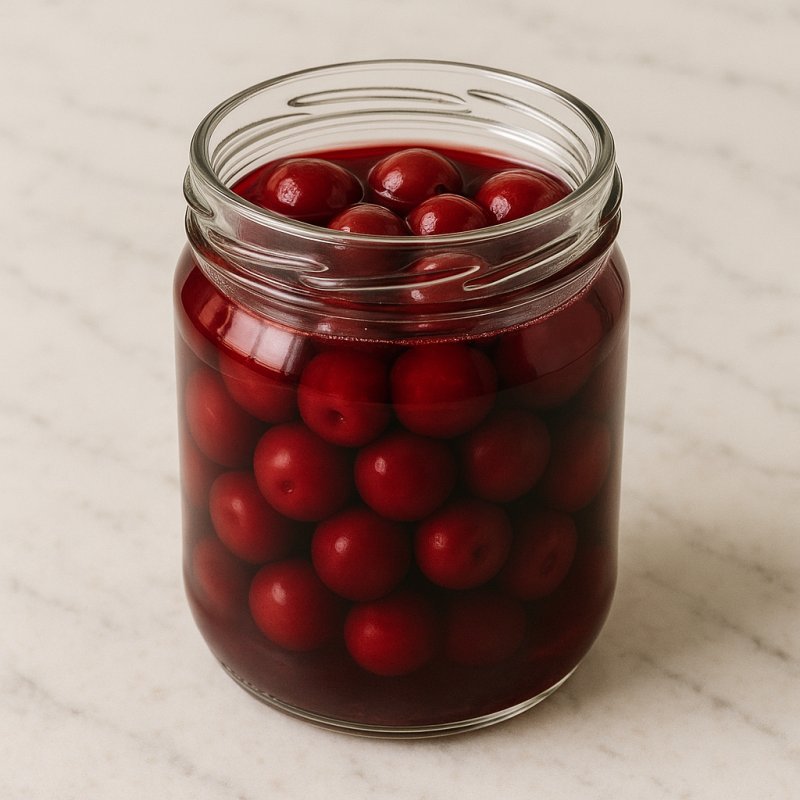
Cherries in a jar

Sweet, juicy cherries for every occasion.

Wiki about jarred cherry Nutri-Score B Vegan Yes Gluten-free Yes Lactose-free Yes Nut-free Yes
NUTRITION / 100 ml
63 kcal 1.0 g Protein 15.0 g Kohlenhydrate 0.2 g Fett

Introduction

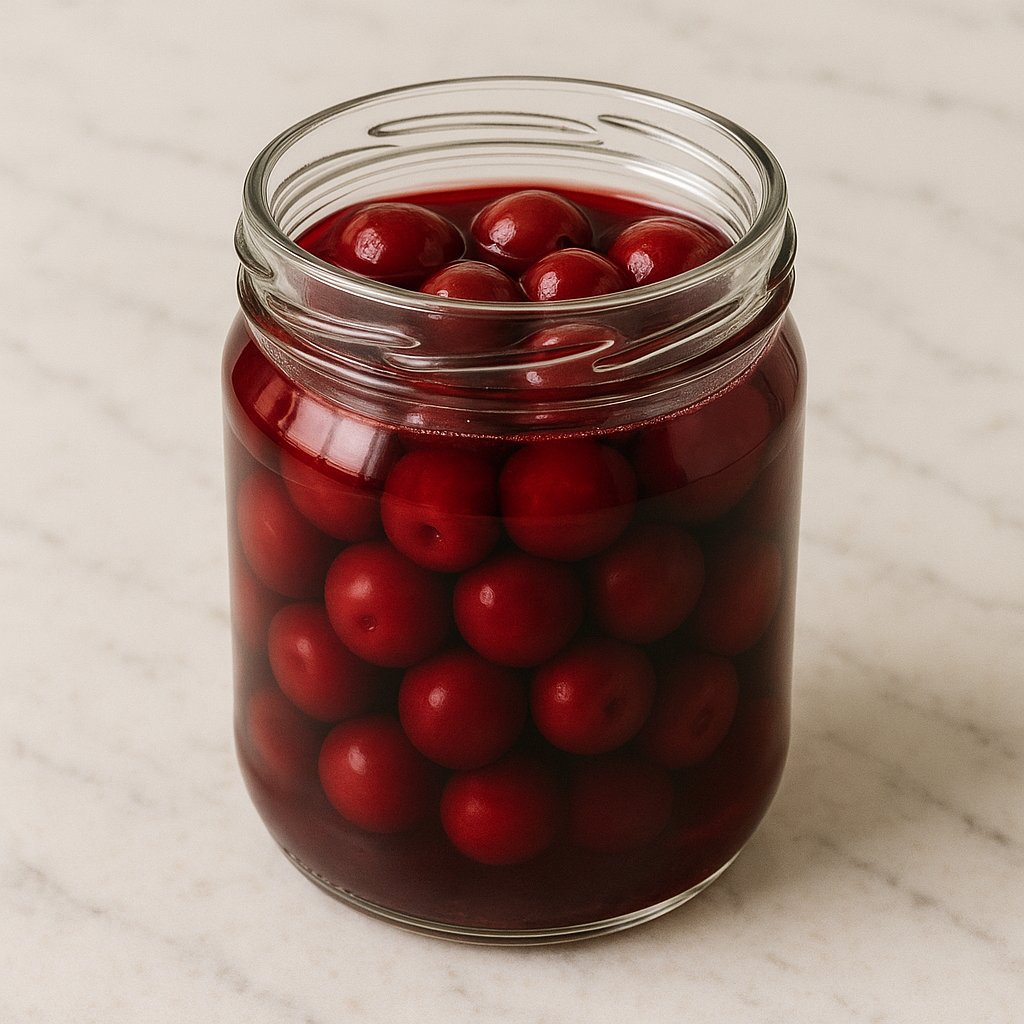
Jar with preserved cherries
Cherries in a jar are for me a true wonder of nature, a little treasure that brings summer into the cold months. I still remember when, as a child, I stood in the garden with my grandmother and we picked the ripe, juicy cherries together. Her hands were always full of red, shiny fruits and I could hardly wait to fill them into a jar to preserve the sweet memory for the winter.

Processing cherries in jars is not only a practical way to make the fruit last longer, but also an art in itself. Thinking about it now, I could almost hold a cherry-canning competition. A colleague of mine once dared to make his own cherry jam, and the result was, well, let's say, somewhat "experimental". The cherries were wonderful, but the combination with an almost excessive amount of chili caused a lot of laughter and some tears — and not only from him!

The possibilities for using cherries in jars are almost endless. Whether as a sweet filling for cakes, as a side to savory meat, or simply enjoyed on their own — they give every dish a special touch. I especially like to prepare a simple dessert with cherries in a jar: I take a layer of yogurt, followed by a layer of cherries and another layer of crunchy oats. Layered in a pretty jar, and I already have a quick, tasty dessert that also looks fantastic.

  • Cherries in a jar are versatile: They are suitable for desserts, as a topping, or even for cocktails.
  • Healthy and nutritious: Cherries are rich in antioxidants and vitamins.
  • A piece of summer in winter: The sweet fruits remind us of warm days and the joy of harvesting.
When I think about how much joy canning cherries has given me, I can only recommend that everyone try it at least once. It's not only a great way to capture the flavors of the summer months, but also a wonderful opportunity to spend time with friends or family. There's nothing nicer than standing together in the kitchen, processing the sweet fruits and exchanging stories. So, get to the cherries and let's fill the next jar with feelings of summer!

Availability & types

Cherries in a jar are a popular ingredient in many sweets and dishes. They are not only tasty but also very versatile. In this section we will look at where cherries come from, where they are grown and what different varieties and types exist.

Origin of cherries: Cherries originally come from the Caucasus, a region between Europe and Asia. These small, round fruits have been known for centuries and have been enjoyed by people in different parts of the world. Over time many different varieties have developed that differ in taste and color.

Growing regions: Today cherries are grown in many countries. The main growing regions for cherries are:

  • Germany: Especially in the region around the city of Bonn there are many cherry plantations.
  • USA: The state of Washington is known for its cherries. There are large plantations here that grow many varieties.
  • Turkey: Turkey is one of the largest producers of cherries and exports many of them to other countries.
  • Italy: Italy also has many cherry trees, especially in the Emilia-Romagna region.
These countries have the ideal conditions for cherry cultivation, such as the right climate and fertile soils. Cherries need a lot of sun to become sweet and juicy. That is why they grow best in warm regions.

Available varieties: There are many different varieties of cherries that differ in taste, color and size. Some of the best-known varieties are:

  • Sweet cherries: These cherries are red or black and taste very sweet. They are often eaten fresh or used in desserts.
  • Sour/tart cherries: These cherries are smaller and have a tart taste. They are perfect for jam or pies.
  • Big-pitted cherries: These cherries have a large pit and are very juicy. They are ideal for canning.
Each variety has its own character, so there is something for every taste. When you buy cherries in a jar, you can often see on the packaging which variety is contained.

Variants of cherries in a jar: Cherries in a jar come in many different variants. Here are some examples:

  • In syrup: These cherries are preserved in a sweet sugar solution. They are particularly delicious in desserts or on ice cream.
  • As jam: Cherries can also be processed into jam to spread on your bread.
  • Dried cherries: These are less juicy but very sweet and are well suited for mueslis or snacks.
The different variants make cherries in a jar a great ingredient for many recipes. Whether you use them in a cake, as a topping for yogurt or simply as a snack, they add color to everyday life.
Details & nutrition

Property Value
Unit ml
Average weight per piece 150
Calories per 100 63
Protein per 100 1.0
Carbohydrates per 100 15.0
Sugar per 100 12.0
Fat per 100 0.2
Saturated fat per 100 0.0
Monounsaturated fat 0.0
Polyunsaturated fat 0.0
Fiber per 100 1.6
Vitamin C (mg) per 100 7.0
Vitamin D (IU) per 100 0.0
Calcium (mg) per 100 18.0
Iron (mg) per 100 0.2
Nutri-Score B
CO₂ footprint 0.5
Origin Germany
Gluten-free Yes
Lactose-free Yes
Nut-free Yes
Vegan Yes
Note Ideal as a topping for desserts or for enjoying on their own.

Technical & scientific information

Cherries in a jar are a popular ingredient used both in the kitchen and in the food industry. They are primarily known for their sweet flavor and their versatile use in various dishes, from desserts to savory meals. Cherries preserved in jars offer a number of advantages, both in terms of taste and health.

Chemical composition

Cherries belong to the rose family (Rosaceae) and are characterized by their high content of vitamins, minerals and antioxidants. The chemical composition varies by variety, however some general features can be identified:

  • Water content: Cherries consist of about 80-85% water.
  • Sugars: They contain fructose and glucose, which make up the sweet taste; sugar content can vary between 8 and 20%.
  • Dietary fiber: Cherries are rich in fiber, which is good for digestion.
  • Vitamins: Particularly notable are vitamins C, A and K. Vitamin C is a strong antioxidant that supports the immune system.
  • Minerals: Cherries contain potassium, magnesium and iron, which are important for maintaining various bodily functions.
Processing methods

The preservation of cherries in jars is usually done by canning or pasteurization. The fruit portion is placed in a sterilized jar with a sugar solution or its own juice and then heated to extend shelf life. This process has several advantages:

  • Retention of nutrients: Controlled heating preserves many vitamins and minerals.
  • Extended shelf life: Cherries in jars can be stored for months or even years without spoiling.
  • Flavor: The sugar content can intensify the flavor and make the cherries sweeter.
Health aspects

Cherries in jars can offer a variety of health benefits. The most common benefits include:

  • Antioxidant effect: The antioxidants contained, such as polyphenols, can help fight free radicals in the body.
  • Anti-inflammatory properties: Some studies have shown that cherries have anti-inflammatory effects, which can be helpful in treating arthritis and similar conditions.
  • Sleep quality: Cherries contain melatonin, a hormone that regulates the sleep-wake cycle and can thus improve sleep quality.


Wiki entry for: jarred cherry
Active now: 18 visitors of which 2 logged-in members in the last 5 minutes