Menu & categories

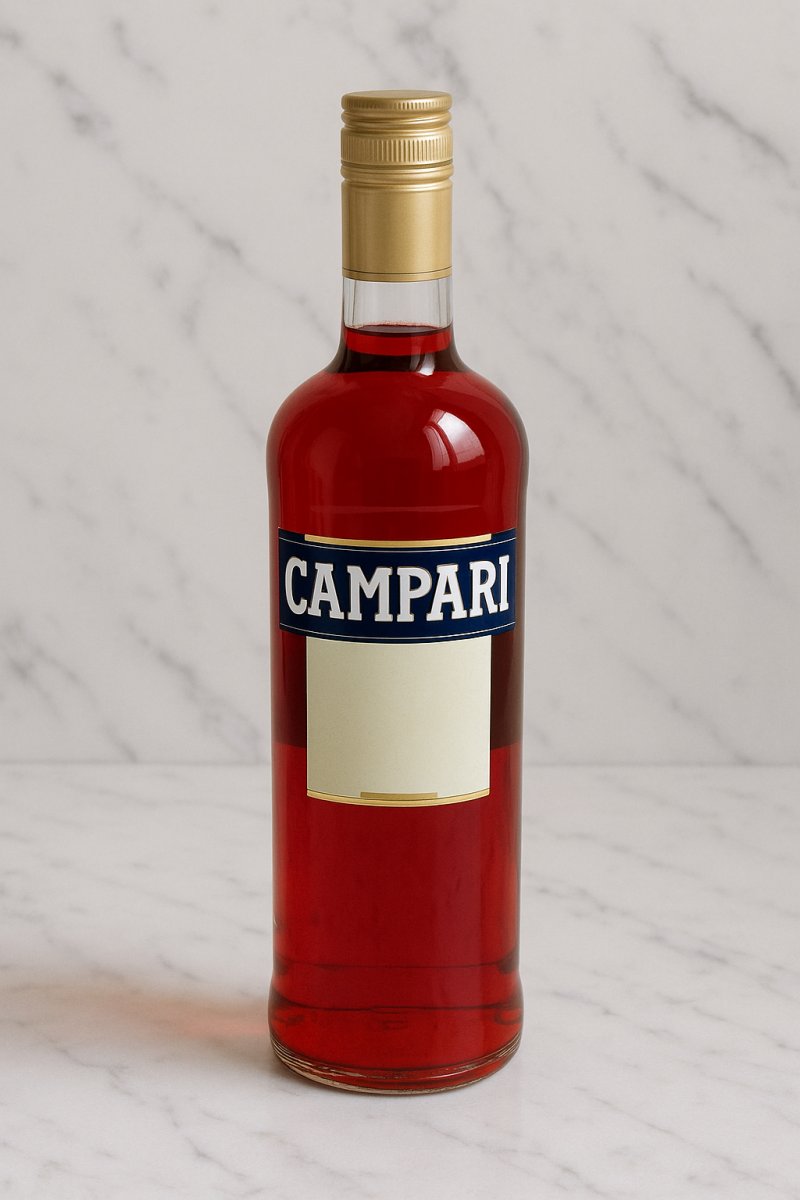
Campari

Italian bitter aperitif with characteristic herbal and citrus notes.

Wiki about Campari Nutri-Score E Vegan Yes Gluten-free Yes Lactose-free Yes Nut-free Yes
NUTRITION / 100 ml
200 kcal 0.0 g Protein 20.0 g Kohlenhydrate 0.0 g Fett

Introduction

Bottle and glass of Campari, red bitter aperitif
I still remember the first evening someone handed me a glass of Campari: it was a warm summer night, the glass sparkled ruby-red, and the first sip surprised me with a bittersweet clarity that immediately sparked curiosity. Since then Campari has been for me not just a bitter liqueur but a small ritual that shapes both aperitivo hours and experiments in my kitchen.

Campari has a special presence: bitter yet fresh, with citrus notes, herbal aromas and an underlying bitterness that is neither aggressive nor dull. I think of flavors like orange peel, rhubarb and pine resin, although the exact recipe remains a well-guarded secret. The bright color catches the eye instantly and makes every drink photogenic — a colleague of mine jokingly called it "the only red luxury fabric that fits in every fridge".

Practically, Campari is versatile. My favorite combinations include:

  • Negroni (equal parts Campari, gin, sweet vermouth) — a classic that always impresses friends.
  • Americano (Campari, sweet vermouth, soda water) — lighter, fizzy, ideal before dinner.
  • Campari Spritz — when something more modern and summery is wanted.
In the kitchen, Campari has surprisingly many talents: a splash in sorbet, a glaze for glazed beets or a dollop in dessert cream add depth and balance sweetness. I once tried a marinade with orange juice, honey and Campari — guests raved about it for days.

A few rules I've adopted: always store the bottle in the dark and cool, after opening the flavor remains stable for many months, and sometimes less is more — Campari should set accents, not dominate. When I open a glass today, I think of those first evenings, of colleagues, of experiments and the many little stories that revolve around a bitter sip. To me Campari is a piece of joie de vivre in a glass, allowing both tradition and creative freedom.

Availability & types

Availability and types of Campari

What is Campari and where does it come from?
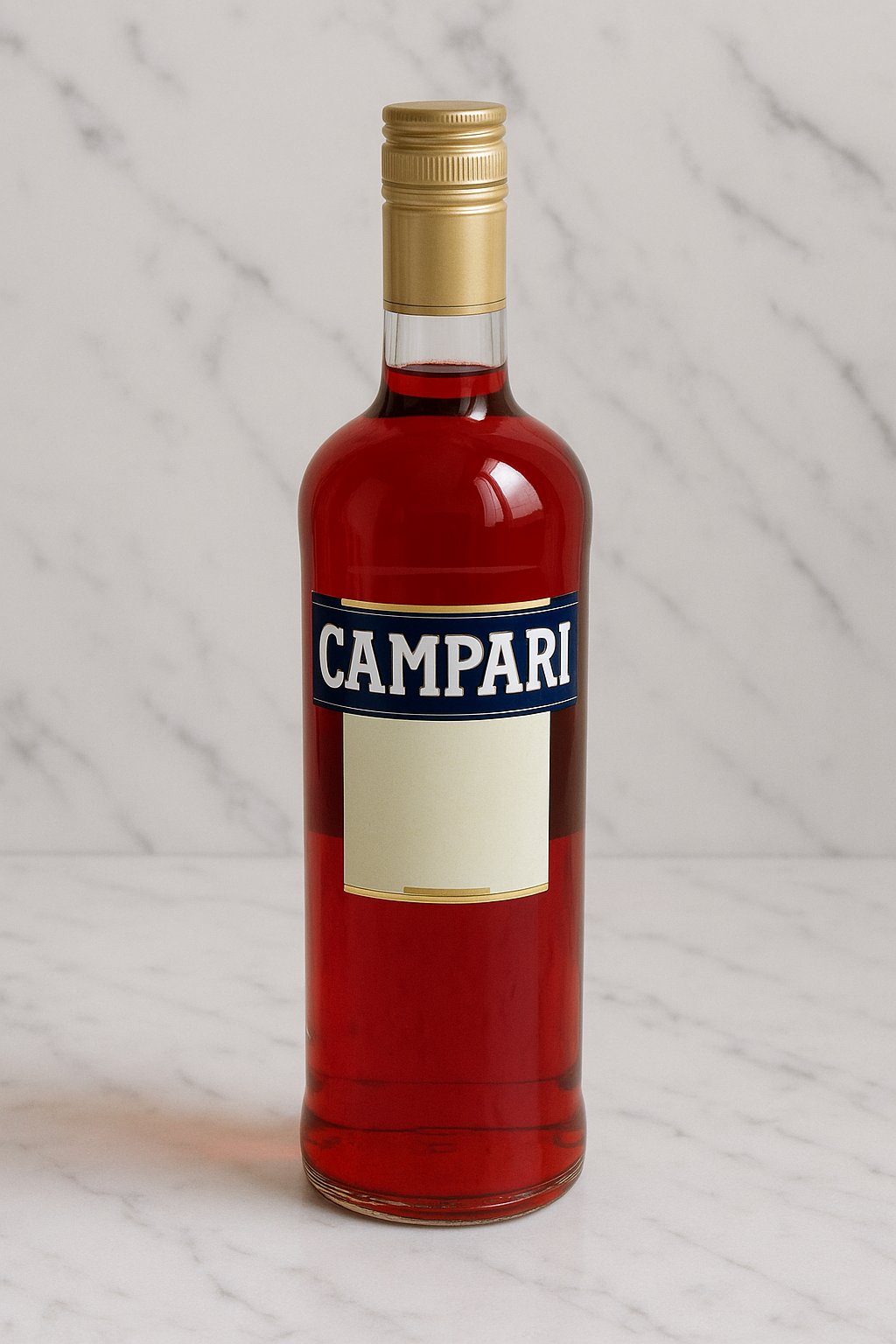
Campari is a red, bitter drink from Italy that was originally invented in the city of Milan. You can imagine Campari like a very spicy lemonade, but with alcohol and lots of herbal and fruit aromas. The exact mix of plants and fruits is a secret that the company has kept for many years. The base ingredient comes from Italy, but the herbs and fruits can also come from other countries, depending on where they are currently growing best.

Where is Campari produced and grown?
The company that makes Campari has its headquarters in Italy and produces a large part of the product there. The plants and fruits that are important for the flavor — like bitter oranges or other citrus — often grow in the Mediterranean region, in countries such as Italy, Spain or countries around the Mediterranean. Some herbs may also come from other parts of the world. You can think of Campari as a big pot into which many ingredients from different regions are put so that the familiar taste emerges in the end.

Which varieties and versions exist?
Campari does not exist in a single bottle only. There are different forms so that people can drink or use it in different ways. The main types are:

  • The classic bottle – this is the original Campari as known from bars. This bottle contains the "pure" bitter that bartenders use in cocktails.
  • Ready-mixed products – these are cans or small bottles in which Campari is already mixed with another drink, for example with soda. That makes it like a lemonade you can drink straight away.
  • Regional variants – in some countries there are slightly altered versions for the local audience. That means taste, alcohol content or size can vary by country because people there have different preferences.
  • Special editions – sometimes the company releases special bottles, for example with a different design or for an anniversary. The content often remains similar, but the packaging is special.
How easy is it to get Campari?
Campari is very well known worldwide and therefore easy to find in many countries. You can find it in the following places:

  • In supermarkets or liquor stores (in countries where alcohol is sold).
  • In bars and restaurants, especially those that offer cocktails.
  • Online from retailers who are allowed to ship alcoholic beverages.
Important: Campari is an alcoholic drink for adults. This means it can only be sold to persons above the legal minimum age. Depending on the country this age is different, and in many shops you must show your ID when purchasing.

In short: Campari originates from Italy and contains many herbs and fruits from different regions. There is the classic bottle, ready-mixed products, regional versions and occasional special editions. You can easily find Campari in shops, in bars or online — but only for adults, because it is alcoholic.
Details & nutrition

Property Value
Unit ml
Calories per 100 200
Protein per 100 0.0
Carbohydrates per 100 20.0
Sugar per 100 20.0
Fat per 100 0.0
Saturated fat per 100 0.0
Monounsaturated fat 0.0
Polyunsaturated fat 0.0
Fiber per 100 0.0
Vitamin C (mg) per 100 0.0
Vitamin D (IU) per 100 0
Calcium (mg) per 100 1
Iron (mg) per 100 0.1
Nutri-Score E
CO₂ footprint 0.15 kg CO2e/100 ml
Origin Italy
Gluten-free Yes
Lactose-free Yes
Nut-free Yes
Vegan Yes
Note Alcoholic liqueur (aperitif); nutritional values may vary slightly depending on market/bottling.

Technical & scientific information


Campari is an Italian bitter liqueur and aperitif whose exact recipe is considered a trade secret. From a scientific perspective, Campari can be described as an alcoholic solution of botanical extracts, sugars and colorants. Typical commercial variants have an alcohol content that can vary by market between about 20 % and 25 % Vol.; earlier reports and special bottlings may exceed these values.

Composition and ingredients
Chemically, Campari primarily consists of a water‑ethanol phase in which lipophilic and hydrophilic plant constituents are dissolved. Relevant classes of compounds include:

  • Volatile terpenes (e.g. limonene, myrcene): derived from citrus peels and other essential oils and contribute substantially to the aroma.
  • Polyphenols and flavonoids (e.g. naringin, hesperidin): typical constituents of bitter oranges and other fruits, containing structures with antioxidant activity, usually however at relatively low concentrations.
  • Bitter compounds (secondary plant substances such as bitter glycosides or alkaloids): responsible for the taste bitterness and the stimulating effect on bitter taste receptors.
  • Sugar/syrup: serves to round off the taste and increases the energy content.
  • Colorants: historically a red dye from cochineal (carmine) was used; today, depending on the market, natural or synthetic colorants are employed. The exact composition is not public.
Production process
Technologically, production is based on extraction and blending: botanical raw materials (citrus peels, aromatic roots, herbs) are macerated or distilled in neutral alcohol to obtain soluble aroma compounds. The alcoholic extracts are then combined with water, sugar and colorants, filtered and adjusted to drinking strength. Control-analytical methods such as gas chromatography‑mass spectrometry (GC‑MS) for volatile components and HPLC for non-volatile polyphenols are common in research and quality control.

Nutritional values and energy density
Campari is energy‑rich due to its ethanol and sugar content. As a rough guide, a 100‑ml portion at 20–25 % Vol. provides about 180–210 kcal; a typical serving size of 30 ml therefore corresponds to roughly 50–65 kcal. Exact values vary with alcohol content and sugar content of the specific bottling.

Health aspects
From a nutritional perspective the main aspects are alcohol and sugar content. Regular consumption increases the risk of alcohol‑related harm and weight gain. Bitter substances can temporarily stimulate saliva and gastric juice production and are traditionally described as appetizing; the clinical significance of this effect is however limited. Allergic or intolerant reactions can be triggered by certain colorants or additives; pregnant women and persons on certain medications should avoid alcoholic bitter liqueurs.

Analytical and regulatory notes
Due to the complex composition, identification and quantification of individual marker substances are tasks for analytical laboratory procedures. Packaging must declare alcohol content and ingredients in accordance with applicable food law requirements; recipe components remain generally protected by trademark law.

Overall, Campari is a multifaceted product of botanical extracts in alcoholic solution, whose sensory properties are determined by an interplay of terpenes, bitter substances, sugar and colorants. Chemically and technologically the product can be well characterized by modern analytical methods, while particular attention should be paid to health aspects related to alcohol and energy content.

Wiki entry for: Campari
Active now: 18 visitors of which 2 logged-in members in the last 5 minutes