Availability and types
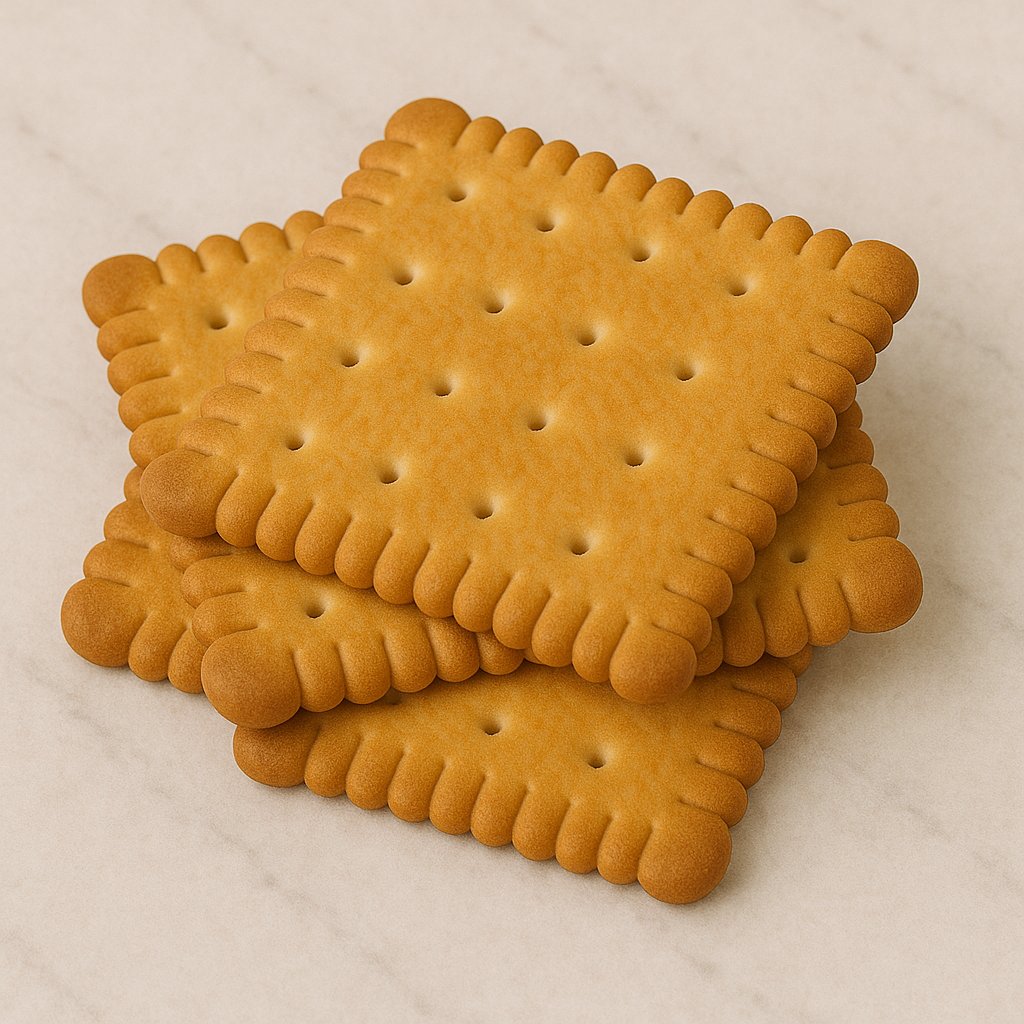
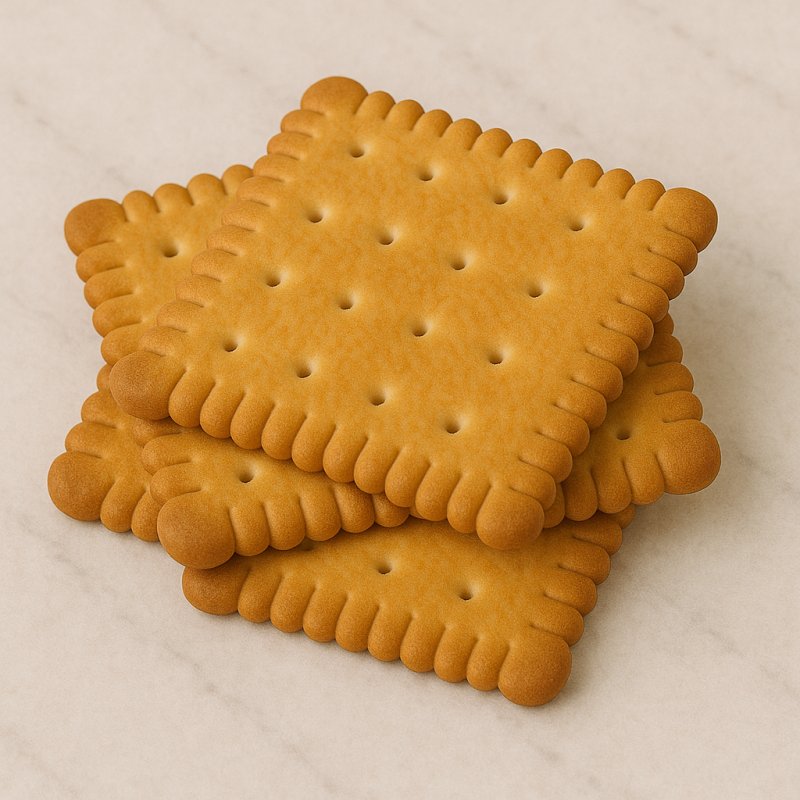
Butter biscuits are simple, crispy biscuits that can be found easily in many countries. Although their name "butter biscuit" suggests butter, it is less about rare ingredients and more about a traditional type of biscuit that has long been popular. They are sold in supermarkets, bakeries, cafés and even in many vending machines. Because they keep well and do not spoil quickly, they are suitable for taking along, as a break-time snack or for baking and cooking.
Origin
The idea behind butter biscuits comes from Europe, where simple doughs were baked with butter or margarine. The classic butter biscuit as we know it today developed over decades. Many brands and bakers have their own recipes, but the basic principle remains the same: a dough of flour, sugar, fat (usually butter) and eggs or milk. Sometimes the biscuit is called simply "butter biscuit" because it has a mild, buttery flavor, not because it always contains real butter.
The idea behind butter biscuits comes from Europe, where simple doughs were baked with butter or margarine. The classic butter biscuit as we know it today developed over decades. Many brands and bakers have their own recipes, but the basic principle remains the same: a dough of flour, sugar, fat (usually butter) and eggs or milk. Sometimes the biscuit is called simply "butter biscuit" because it has a mild, buttery flavor, not because it always contains real butter.
Growing regions and ingredients
Butter biscuits don't grow themselves – they are made from ingredients that are grown in fields and farms. The most important ingredients are:
Butter biscuits don't grow themselves – they are made from ingredients that are grown in fields and farms. The most important ingredients are:
- Wheat (flour): Wheat is grown in many regions of the world – in Europe, North America, South America, Asia and Australia. Flour is the basis for the dough and makes the biscuit firm and crispy.
- Butter or fat: Butter comes from cows and is produced in dairy regions. Where butter is expensive, manufacturers sometimes use vegetable fats (margarine). Both give the biscuit flavor and texture.
- Sugar: Sugar is often derived from sugar beet (in cooler regions like Europe) or sugarcane (in warmer regions like Brazil or India). It provides sweetness and helps the biscuit brown.
- Eggs and milk (sometimes): These ingredients come from the farm and make the dough smoother and more flavorful.
Because all of these basic materials are produced worldwide, butter biscuits are practically available everywhere.
Available varieties and variants
Butter biscuits come in many shapes and with different extras. Here are the most common types, simply explained:
Butter biscuits come in many shapes and with different extras. Here are the most common types, simply explained:
- Classic butter biscuit: Round or rectangular, plain, slightly buttery. A good everyday biscuit that goes with milk or tea.
- Wholegrain butter biscuit: Made from wholemeal flour, it has more fiber and tastes a bit nuttier. It is somewhat "heartier" than the light biscuit.
- Chocolate-filled or coated: Sometimes butter biscuits are coated with chocolate or have a layer of chocolate in the middle – like an outfit with chocolate as a coat.
- Biscuits with cinnamon, vanilla or lemon flavor: Small flavors that give the biscuit a special note, similar to spices that change a dish.
- Mini or XXL versions: Some are very small for nibbling, others extra large to share with friends or to use as a base for cakes.
- Diet or allergen-free variants: There are also reduced-sugar, gluten-free or vegan butter biscuits for people with special needs.
In many kitchens butter biscuits are also used as an ingredient: crumbled as a cake base, layered with cream in desserts or as a crunchy layer in ice cream. Thus butter biscuits are versatile and suitable for many occasions – from breakfast to birthday parties. Their simplicity makes them familiar and easy to combine, almost like a food building kit with which you can construct many tasty things.