Availability and types of buckwheat
Buckwheat is not wheat, even if the name suggests it. It is a plant that produces seeds that can be used similarly to cereals. Buckwheat originally comes from Asia and has been cultivated for thousands of years in countries such as China, Russia and Japan. From there it spread to Europe and today finds a place in gardens and fields worldwide.
Where does buckwheat grow?
Buckwheat grows well in cooler areas and does not like hot, dry summers like maize or wheat. It is quite undemanding: it does not need many nutrients in the soil and grows even on rather poor land. That is why it is often cultivated where other plants fare worse. Important growing regions include:
Buckwheat grows well in cooler areas and does not like hot, dry summers like maize or wheat. It is quite undemanding: it does not need many nutrients in the soil and grows even on rather poor land. That is why it is often cultivated where other plants fare worse. Important growing regions include:
- Russia and Eastern Europe – there buckwheat is very popular and often eaten.
- China and Japan – historical home, where buckwheat has long been part of traditional dishes.
- North America – especially in Canada and parts of the USA buckwheat is grown.
- Central Europe – buckwheat is also found in fields and home gardens here.
What varieties and forms are there?
Buckwheat is available in different forms depending on how it is processed or the intended use. Here are the main types briefly explained:
Buckwheat is available in different forms depending on how it is processed or the intended use. Here are the main types briefly explained:
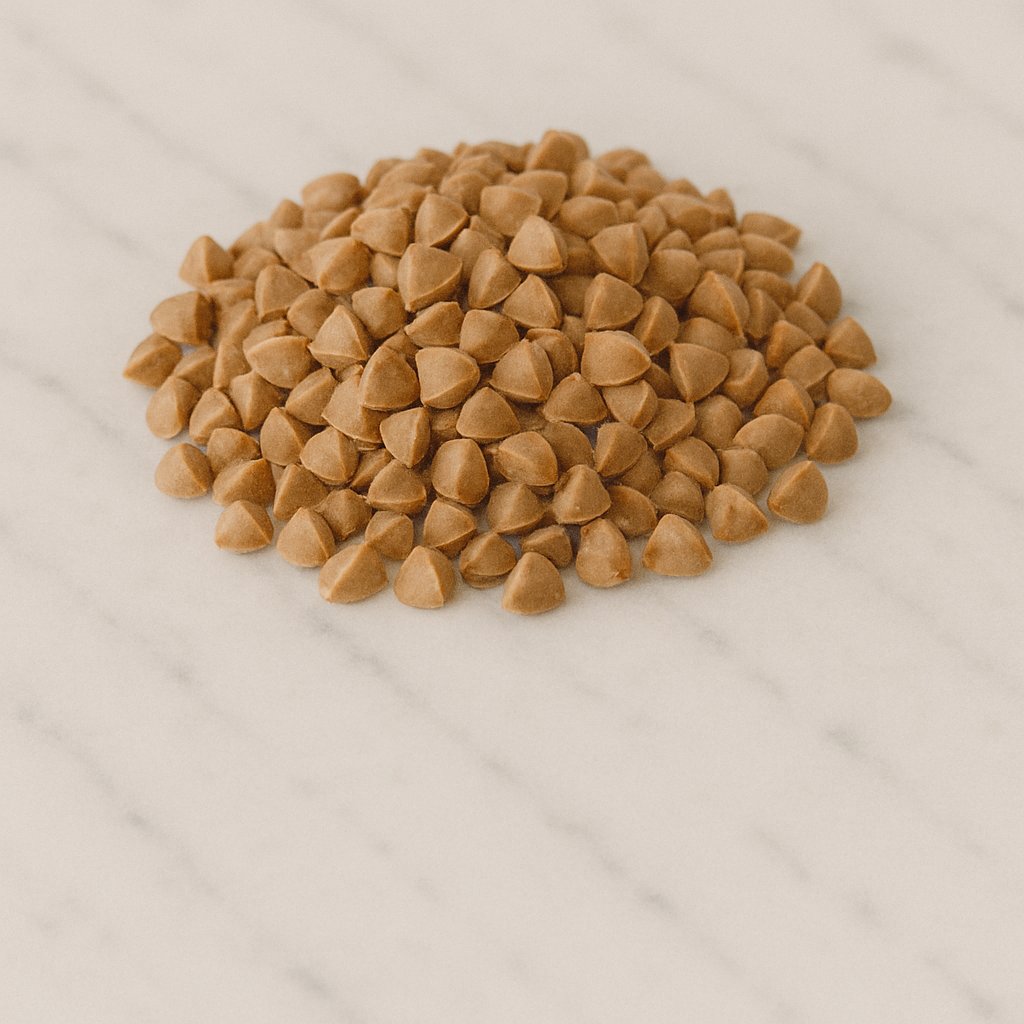
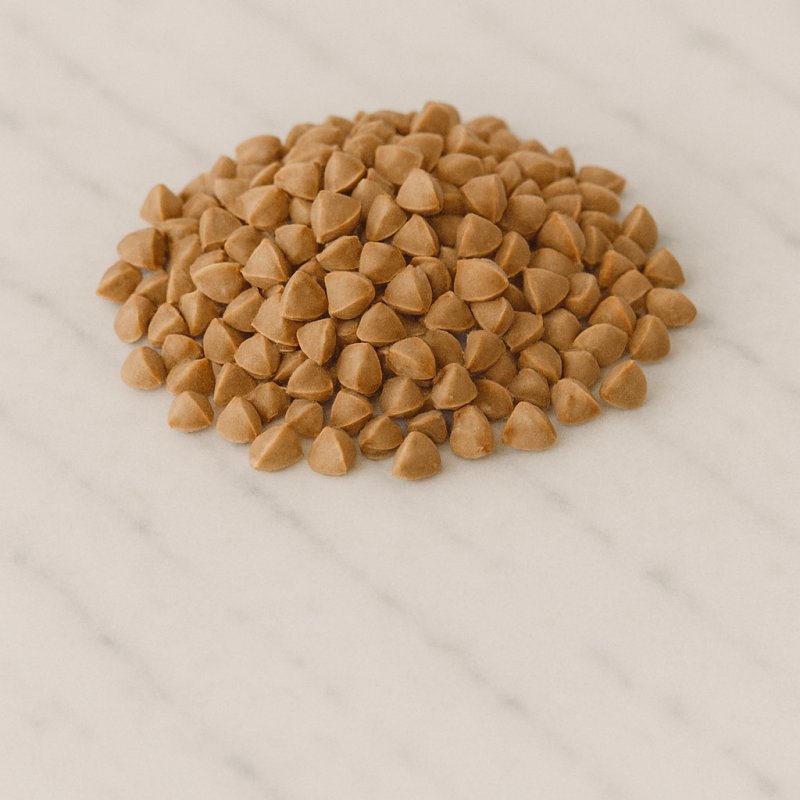
- Whole buckwheat grains (also called “Fagopyrum”) – these are the unhulled seeds. They look like small triangular grains and are suitable for sprouting, muesli or as a side dish like rice.
- Roasted or hulled grains (groats) – when the outer hull is removed, the lighter pieces remain. These cook faster and are softer to the bite.
- Buckwheat flour – made from ground grains, it is dark and aromatic. It is used for pancakes (like French galettes), bread or cookies. Because it has no gluten, baking behaves differently than with wheat flour.
- Buckwheat noodles – in Japan they are called soba. Sometimes they are made solely from buckwheat, but often mixed with some wheat flour so the noodles hold together better.
- Sprouted buckwheat – the seeds are briefly sprouted. They then become soft and slightly sweet and are enjoyed in salads or as a healthy snack.
- Tofu or substitute products – less commonly there are also convenience products with buckwheat, such as spreads or ingredients in cereal bars.
How to find buckwheat in the store?
Buckwheat can be found in supermarkets, health food stores and farmers' markets. It may be located in the dry goods section (as grains or flour), in the rice/cereal aisle or with the noodles. In health food and organic shops the selection is often larger: you can also find sprouting seeds or ready products like soba noodles or buckwheat muesli.
Buckwheat can be found in supermarkets, health food stores and farmers' markets. It may be located in the dry goods section (as grains or flour), in the rice/cereal aisle or with the noodles. In health food and organic shops the selection is often larger: you can also find sprouting seeds or ready products like soba noodles or buckwheat muesli.
Why is buckwheat practical?
Buckwheat is versatile: it can be cooked warm, processed into flour or used raw in salads. Because it does not belong to the true cereal family, it is often suitable for people with gluten intolerance. A simple comparison: if wheat is a trumpet, then buckwheat is a flute — both make music (that is, food), but in different ways.
Buckwheat is versatile: it can be cooked warm, processed into flour or used raw in salads. Because it does not belong to the true cereal family, it is often suitable for people with gluten intolerance. A simple comparison: if wheat is a trumpet, then buckwheat is a flute — both make music (that is, food), but in different ways.
Overall buckwheat is widely available worldwide, especially in regions with cooler climates, and comes in many variants: whole grains, hulled groats, flour, noodles and sprouted seeds. This way anyone, whether a kitchen beginner or an experienced cook, can find a suitable form to use buckwheat in delicious dishes.