Menu & categories

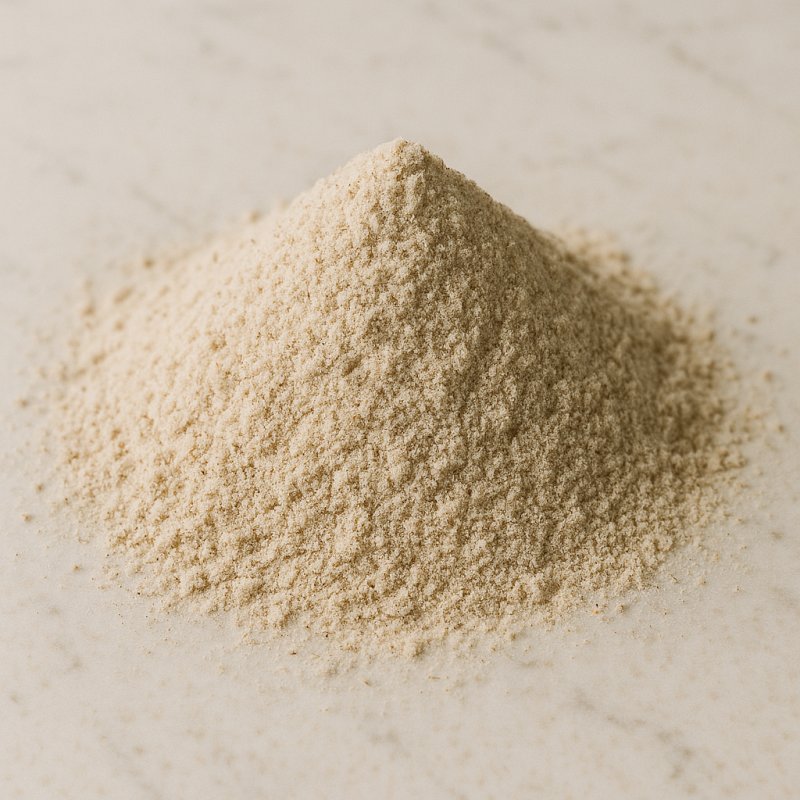
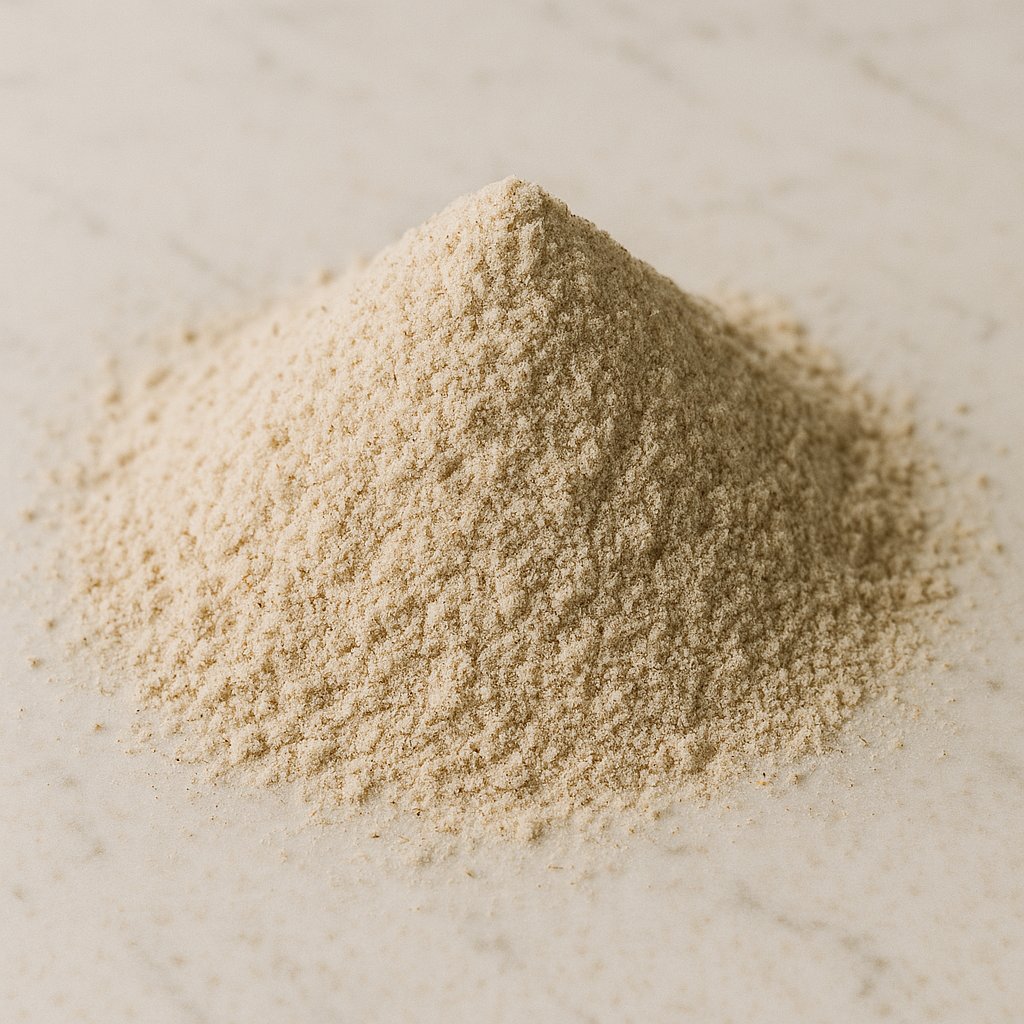
Buckwheat flour

Healthy alternative to wheat flour

Wiki about buckwheat flour Nutri-Score B Vegan Yes Gluten-free Yes Lactose-free Yes Nut-free Yes
NUTRITION / 100 g
343 kcal 13.3 g Protein 71.5 g Kohlenhydrate 3.4 g Fett

Introduction

A bowl with buckwheat flour
I still remember my first attempt at baking with buckwheat flour. It was a rainy Sunday afternoon, and I had decided to try something new. A colleague had raved to me about his delicious buckwheat pancakes, and I was curious to see if I could pull it off too. I had discovered the flour in a small organic shop and was immediately taken with its dark, earthy color.

Buckwheat flour is not only a gluten-free alternative to conventional wheat flour, but it also brings a very special note to the kitchen. The nutty aromas and the slightly bitter edge make it a wonderful ingredient for many dishes. I can still vividly remember lifting the first pancakes from the pan and serving them with fresh berries and yogurt. The result was a breakfast that was both tasty and healthy.

Using buckwheat flour opens up a whole range of possibilities. Here are some of my favorite uses:

  • Pancakes: The perfect base for a savory or sweet breakfast.
  • Crepes: Ideal for a French-style version with rich fillings.
  • Bread: I even developed a buckwheat bread recipe that is simply irresistible.
  • Pasta: Who would have thought you can make pasta with buckwheat flour?
What I especially appreciate is the health aspect. Buckwheat is rich in fiber, antioxidants and important minerals. It has a positive effect on blood sugar levels and is a great source of plant-based protein. For me, it always feels great to stand in the kitchen knowing I'm working with an ingredient that not only tastes good but is also good for my body.

So, the next time you find yourself in the kitchen looking for something new, don't hesitate to try buckwheat flour. Whether you want to make a simple dish or something more elaborate, this versatile flour will surely not only bring a smile to your face but also delight your taste buds. And who knows, it might become your new kitchen favorite!

Availability & types

Buckwheat flour is a very special ingredient that is obtained from a plant called buckwheat. Although the name might suggest otherwise, buckwheat is not a cereal but belongs to the knotweed family. It has an interesting history and is grown and used in different ways in many countries.

Origin and growing regions: Buckwheat originally comes from Central Asia, where it has been cultivated as a food crop for thousands of years. The plant prefers cool temperatures and grows best in temperate climates. Today buckwheat is grown in many countries around the world, including:

  • Russia: One of the largest growing regions, where buckwheat is often used in traditional cuisine.
  • Poland: Here buckwheat is also widely used, particularly for making dumplings and porridges.
  • China: Another important producer that uses buckwheat in various dishes.
  • Germany: Buckwheat is increasingly appreciated in Germany as well, especially in flour form for pancakes or bread.
The plant requires little water and can grow on soils less suitable for other cereal crops. That makes buckwheat an excellent choice for farmers seeking sustainable growing methods.

Available types and variants: When you buy buckwheat flour, you'll find that there are different varieties. The two most common types are:

  • Light buckwheat flour: This flour is made from the inner kernels of the buckwheat after the hull has been removed. It has a light color and a mild taste. Light buckwheat flour is suitable for pancakes, waffles, or for baking bread.
  • Dark buckwheat flour: This flour is milled from whole buckwheat kernels, including the hull. It has a darker color and a stronger, nutty flavor. Dark buckwheat flour is ideal for heartier dishes like buckwheat pancakes or even for making pasta.
Another point to note is that buckwheat flour is gluten-free. That means people with gluten intolerance or celiac disease can eat it without worry. This makes it a great alternative to wheat flour, especially for those with certain dietary restrictions.

Buckwheat flour is not only healthy but also versatile. You can use it in many recipes to give your dishes a special touch. For example, you can use it in muffins, pancakes or even in soups to add an interesting texture and nutty flavor. It is an ingredient that can bring a lot of joy to the kitchen, as it opens up new possibilities for cooking and baking.

In summary, buckwheat flour is a valuable ingredient that comes from an ancient plant and is grown in many countries.
Details & nutrition

Property Value
Unit g
Calories per 100 343
Protein per 100 13.3
Carbohydrates per 100 71.5
Sugar per 100 0.9
Fat per 100 3.4
Saturated fat per 100 0.7
Monounsaturated fat 0.5
Polyunsaturated fat 2.0
Fiber per 100 10.0
Vitamin C (mg) per 100 0
Vitamin D (IU) per 100 0
Calcium (mg) per 100 18
Iron (mg) per 100 2.2
Nutri-Score B
CO₂ footprint 0.5
Origin Europe
Gluten-free Yes
Lactose-free Yes
Nut-free Yes
Vegan Yes
Note Buckwheat flour is gluten-free and is excellent for various baked goods.

Technical & scientific information

Buckwheat flour is a gluten-free flour derived from the seeds of the buckwheat plant (Fagopyrum esculentum). Despite its name, buckwheat is not wheat and botanically does not belong to the grass family. Instead it belongs to the knotweed family. Buckwheat flour is versatile in the kitchen and is gaining popularity because of its nutritional properties.

Chemical composition

The chemical composition of buckwheat flour is remarkable as it contains a variety of nutrients. It consists mainly of carbohydrates (about 70-75%), with a relatively high fiber content. Buckwheat flour also contains proteins (about 13-15%), which have a high biological value. This means they include all essential amino acids the body needs. The most important amino acids are lysine, methionine and threonine.

In addition to carbohydrates and proteins, buckwheat flour contains a number of important vitamins and minerals, including:

  • Magnesium: Essential for many enzymatic reactions in the body.
  • Iron: Important for oxygen transport in the blood.
  • Zinc: Plays a role in the immune system and wound healing.
  • B vitamins: Support energy metabolism and nerve function.
Nutritional values

100 grams of buckwheat flour have on average the following nutritional values:

  • Calories: 335 kcal
  • Carbohydrates: 70 g
  • Fiber: 10 g
  • Protein: 13 g
  • Fat: 3 g
The fiber in buckwheat flour promotes digestion and helps lower cholesterol levels. This can reduce the risk of heart disease and improve the overall health of the digestive system.

Processing methods

Buckwheat is usually hulled and then milled into flour. Processing can be done in different ways, such as by grinding whole seeds or by producing roasted buckwheat flour. The latter, known as Kasha, has a nutty flavor and is commonly used in Eastern European cuisine. The milling can vary depending on the desired fineness, which allows use in different recipes.

Health aspects

Buckwheat flour is particularly valuable for people with gluten intolerance or celiac disease, as it is naturally gluten-free. It is often used in gluten-free baking mixes and is excellent for making pancakes, breads and other baked goods. In addition, buckwheat shows positive effects on health, such as regulating blood sugar levels and supporting heart health.

Wiki entry for: buckwheat flour
Active now: 20 visitors of which 2 logged-in members in the last 5 minutes