Menu & categories

Brussels sprouts

Vitamin-rich winter cabbage shoots

Wiki about Brussels sprout Nutri-Score A Vegan Yes Gluten-free Yes Lactose-free Yes Nut-free Yes
NUTRITION / 100 g
43 kcal 3.4 g Protein 9.0 g Kohlenhydrate 0.3 g Fett

Introduction

Fresh Brussels sprouts
As a 35-year-old editor from Europe I have a special relationship with Brussels sprouts, that small, spherical winter-vegetable icon that evokes so many childhood memories and at the same time delights modern kitchens. In my family Brussels sprouts were mandatory on frosty Sundays – gently steamed, with butter and a pinch of nutmeg, served alongside crispy potatoes. Today I encounter them in trendy bistros roasted with maple syrup and chili, in creamy risottos or as a crunchy base for winter salads. Few other vegetables connect tradition and contemporary cuisine as elegantly as Brussels sprouts. Taste, texture and nutritional values are as important as origin, season and creative preparation.

Brussels sprouts, also known as Brussels cabbage or Brussels Sprouts, belong to the mustard family. Their small rosettes grow like miniaturized cabbage heads along a sturdy stalk. Especially in the cool months from late autumn to spring Brussels sprouts show their strengths: cold intensifies their natural sweetness and softens the bitter compounds. A colleague of mine, a trained chef, once told me that he actually looks forward to the first winter frosts because the sprouts then “taste almost caramelized” – a tip that has proven true in my kitchen.

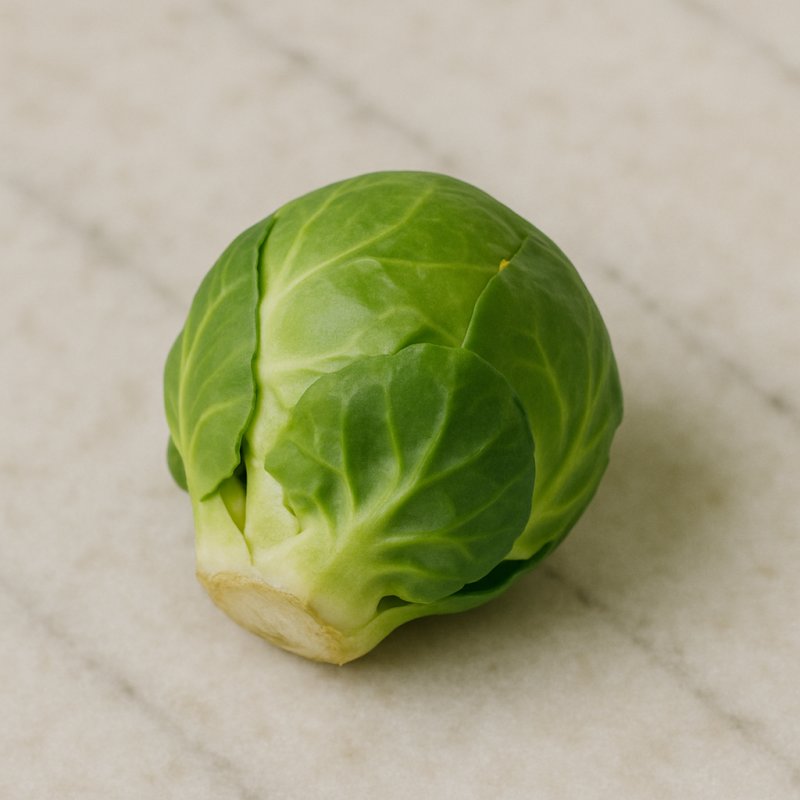
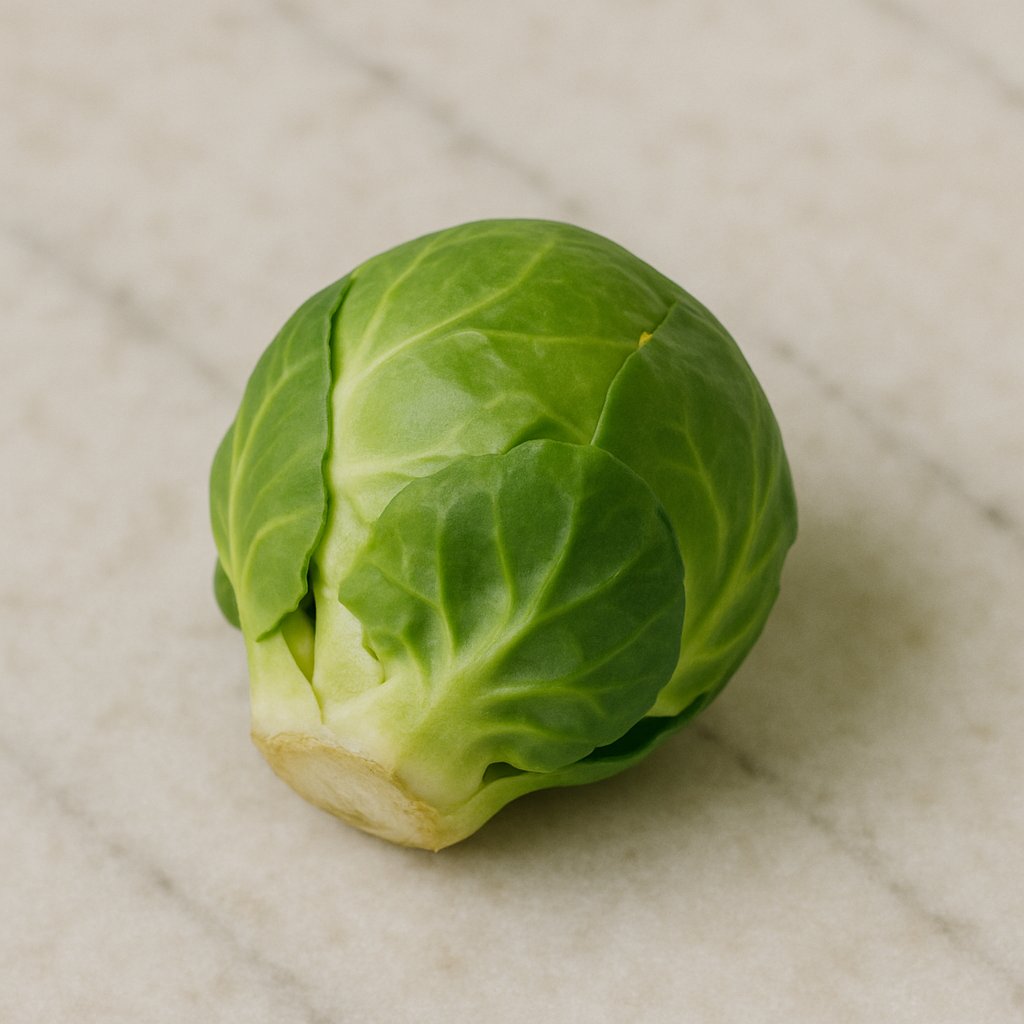
High-quality Brussels sprouts can be recognized by firm, closed, green rosettes with fresh cut surfaces. Slightly yellowing leaves or soft heads indicate overripeness. I like to buy them on the stalk at the market: that way they stay fresher and more aromatic for longer. At home I store them unwashed in the vegetable drawer and use them within a few days. Before cooking I remove outer leaves, trim the stem minimally and halve the rosettes so they cook evenly. For larger specimens I score the stem in a cross – a trick my grandmother showed me so the heat can penetrate to the inside.

In the kitchen Brussels sprouts are more versatile than many think. Their slightly nutty, sweet-bitter note harmonizes with roasted flavors, creamy components and fresh acids. A sommelier friend recommends a light balsamic or apple

Availability & types

Brussels sprouts, also known as Brussels cabbage, are a small, round vegetable from the large cabbage family. The many mini-cabbage heads grow closely along a tall stalk, like little marbles on a rod. In this section you will learn everything about the availability of Brussels sprouts throughout the year and about the main types, varieties and variants – explained in an easy-to-understand way.

Origin and history
Brussels sprouts originally come from Northwest Europe, especially Belgium. That is also where the name “Brussels cabbage” comes from. They were bred there several hundred years ago because people wanted a vegetable that is fresh from the field even in winter. Today Brussels sprouts are grown in many European countries, for example Germany, the Netherlands, France and Great Britain. They are also cultivated in North America, particularly on cooler coasts. The reason: Brussels sprouts love cool temperatures and even tolerate light frost.

Availability over the year
Brussels sprouts have their main season in autumn and winter. When the days shorten and it gets cooler, they taste best. This is because cold increases the sugar content in the rosettes, making the flavor milder and sweeter.

  • Early season (September–October): The first rosettes come from the fields. They are small, crisp and still somewhat bitter.
  • Main season (November–December): Now there is especially a lot of regionally grown Brussels sprouts. The cold makes the rosettes more tender and sweeter.
  • Late season (January–February): Fresh produce is still available, often from later varieties or from storage. The flavor remains mild as long as it is cool.
  • Out of season (March–August): Fresh Brussels sprouts are rare. At that time you will mostly find frozen Brussels sprouts, which have been blanched and frozen immediately after harvest. This way they remain durable for a long time.
Details & nutrition

Property Value
Unit g
Average weight per piece 15
Calories per 100 43
Protein per 100 3.4
Carbohydrates per 100 9.0
Sugar per 100 2.2
Fat per 100 0.3
Saturated fat per 100 0.06
Monounsaturated fat 0.02
Polyunsaturated fat 0.15
Fiber per 100 3.8
Vitamin C (mg) per 100 85
Vitamin D (IU) per 100 0
Calcium (mg) per 100 42
Iron (mg) per 100 1.4
Nutri-Score A
CO₂ footprint 0.3 kg CO2e/kg
Origin Europe, preferably regional and seasonal (autumn/winter)
Gluten-free Yes
Lactose-free Yes
Nut-free Yes
Vegan Yes
Note Cruciferous vegetable; may cause gas in sensitive individuals; rich in vitamins C and K.

Technical & scientific information

Brussels sprouts (Brassica oleracea var. gemmifera) are a cultivated variety of the Brassicaceae and botanically belong to the Brassicaceae family. Characteristic are the axillary buds arranged spirally along the stem, which develop into small, compact shoot spheres. These “rosettes” arise from condensed leaf primordia and display a fine leaf arrangement with an overlapping structure. The cultivar likely originated in the Belgium area in the 18th century, from which the term “Brussels Sprouts” derives in several languages. Brussels sprouts are a predominantly winter-hardy, biennial plant organism that in the first year forms the edible buds and in the second year enters the generative phase with an inflorescence.

Botany and morphology: The plants reach heights of 60 to 120 cm. The main stem is upright, firm and slightly woody at the base. Leaves are leathery, blue-green to dark green, often with a waxy cuticle that regulates transpiration and promotes some frost resistance. The rosettes have a diameter range of about 1.5 to 4 cm. Varieties differ in rosette density, size, shape and harvest timing. The inflorescence is a terminal, branched raceme; the flowers show the typical four-parted corolla of crucifers and produce pods (siliques) as fruits.

Ecophysiology and cultivation: Brussels sprouts prefer temperate climates and show high cold tolerance. Temperatures between 7 and 18 °C promote the development of compact rosettes; short frost events can, through sugar accumulation in the cells, even mellow the flavor. The optimal soil pH is 6.5 to 7.2. A deep, humic loam with good water-holding capacity and drainage is ideal. The crop is sensitive to water stress: uniform water supply minimizes bitter compounds and supports even cell division in the buds. Fertilization should be demand-oriented, particularly with nitrogen, potassium and sulfur; excessive N application leads to loose rosettes and increased disease susceptibility. Crop rotations and fallow periods

Wiki entry for: Brussels sprout
Active now: 20 visitors of which 2 logged-in members in the last 5 minutes