Menu & categories

Brown rice

Fiber-rich rice from the whole grain

Wiki about brown rice Nutri-Score A Vegan Yes Gluten-free Yes Lactose-free Yes Nut-free Yes
NUTRITION / 100 g
350 kcal 7.5 g Protein 72 g Kohlenhydrate 2.7 g Fett

Introduction

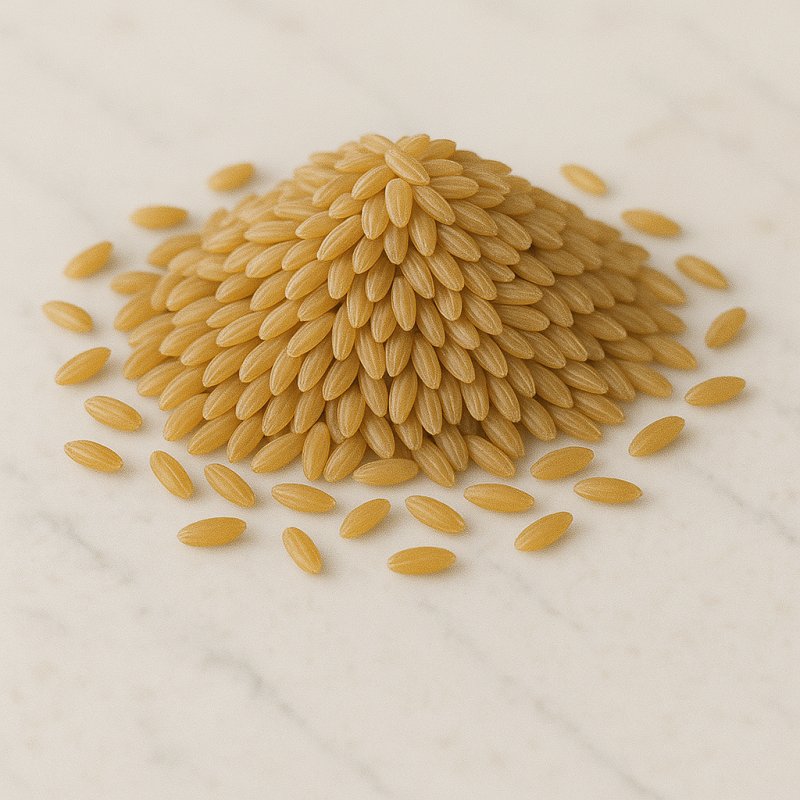
Raw brown rice grains in a bowl
I love brown rice. The first time I stood in a foreign kitchen and smelled the nutty scent when opening a steamer, I was captivated. For me brown rice is not just a healthy side dish, but a small culinary adventure: each grain has structure, flavour and a story. I still remember how a colleague from the south explained that his grandfather always gently washed the rice with his hands, as if that were the most important step in the whole cooking ritual. That anecdote has stuck with my own cooking ever since.

Brown rice is clearly different from polished rice because the outer husk is retained. That means more fibre, more nutrients and a firmer bite. When I stand at the stove on a rainy afternoon, I appreciate precisely this texture: it holds sauces well, gives salads substance and pairs surprisingly charmingly with sweet components like coconut milk or toasted nuts. Once I made a simple dish with roasted pumpkin and feta that silenced everyone at the table — a good silence, of course.

I also find the variety practical: there is brown long-grain rice, round-grain variants for creamy risottos and even red or black types with an earthy aroma. Tips I like to pass on:

  • Use plenty of water for cooking and then let it simmer gently over low heat.
  • Soak the rice for 30 minutes beforehand for shorter cooking time and more even texture.
  • Cook with spices like bay leaf, cardamom or a piece of ginger for subtle nuances.
I have learned that patience is rewarded: well-cooked brown rice takes time, but it repays you with flavour and satiety. When I have guests, I often serve it as a base for colourful bowls with vegetables, herbs and a squeeze of lemon. It is amazing how such a seemingly simple grain grounds the meal and brings stories together.

Availability & types

Availability and types of brown rice

Brown rice is rice in which the whole grain is preserved — that is, the outer husk, the endosperm and the germ. That makes it more nutritious than white rice. Many people like it because it contains more fibre, vitamins and minerals. Here I explain where brown rice comes from, in which regions it is grown and which varieties exist, so that a 12‑year‑old can understand it well.

Origin and growing regions

Rice grows mainly in warm and humid areas. These include parts of Asia, Africa, Latin America and also certain regions in Europe and the USA.
Imagine rice fields like large green carpets that are often flooded — these are the so‑called rice paddies. Some rice varieties grow in flooded fields (this helps control weeds), others thrive on dry land.

Important countries that produce a lot of rice are:

  • China and India — the two major rice producers in the world.
  • Thailand and Vietnam — known for aromatic varieties.
  • Spain and Italy — varieties grown in Europe, often for special dishes like paella or risotto.
  • USA and Brazil — also cultivate various types of rice.
Available varieties and types

There are many kinds of brown rice. They can be distinguished by shape, flavour and colour. Here are the main ones, explained simply:

  • Long‑grain brown rice — has long, thin grains. After cooking it stays loose and does not stick much. An example is brown Basmati, which has a slightly nutty aroma.
  • Medium‑grain brown rice — grains are somewhat shorter and rounder. It is a bit softer and can be slightly sticky, suitable for many everyday dishes.
  • Short‑grain brown rice — short, round grains that become stickier after cooking. It is good for dishes where the rice should hold together, for example sushi (where white short‑grain rice is often used).
  • Brown Basmati — aromatic, long grains that separate nicely after cooking. Many people like its delicate scent.
  • Brown Jasmine — also fragrant, slightly stickier than Basmati, from Southeast Asia.
  • Red and black brown rice — here the husk is darker, which gives them particularly many nutrients and a slightly nutty flavour. They look attractive and can add colour to a dish.
  • Parboiled brown rice — this rice has been briefly treated with heat and water before the outer husk is removed. This helps retain some nutrients and makes it less sticky when cooked. If the package says “parboiled”, this is what it means.
How to find brown rice in the store

In the supermarket brown rice is often shelved with other rice varieties. On the packaging you will see words like “brown”, “brown rice” or the local term for whole grain. Sometimes different types are listed: long‑grain, short‑grain, fragrant or coloured. If you are looking for healthy rice, choose packaging labeled “brown” or check the ingredient list — it usually just says “brown rice”.

Brown rice is available in many supermarkets, health food stores and online. Depending on the variety you want, the price can be somewhat higher than white rice because brown rice requires more care during harvesting and storage.

In summary: brown rice comes from many parts of the world, is available in many varieties and differs in shape, colour and flavour. It is healthy and brings variety to the plate — whether loose, sticky, fragrant or colourful.
Details & nutrition

Property Value
Unit g
Calories per 100 350
Protein per 100 7.5
Carbohydrates per 100 72
Sugar per 100 1
Fat per 100 2.7
Saturated fat per 100 0.6
Monounsaturated fat 1.0
Polyunsaturated fat 1.0
Fiber per 100 3.5
Vitamin C (mg) per 100 0
Vitamin D (IU) per 100 0
Calcium (mg) per 100 20
Iron (mg) per 100 1.5
Nutri-Score A
CO₂ footprint 2.7
Origin Worldwide, especially Asia and North America
Gluten-free Yes
Lactose-free Yes
Nut-free Yes
Vegan Yes
Note Nutritional values refer to uncooked brown rice; during cooking the volume increases and the nutritional values per 100 g of prepared rice decrease accordingly.

Technical & scientific information

Brown rice refers to rice in which the entire grain — germ, aleurone layer (endosperm margin) and endosperm — is preserved. Unlike white rice, which has been milled and polished, brown rice retains the outer layers and thus a high density of nutrients, fibre and secondary plant compounds. The grains are usually brownish to reddish and have a firmer texture and longer cooking time because of the intact germ and bran.

Botanical and chemical composition
Rice grains consist mainly of carbohydrates, primarily in the form of starch (amylose and amylopectin). Brown rice typically contains:

  • Starch: 70–80% of dry weight, composed of amylose (10–30%) and amylopectin; the amylose ratio influences texture and cooking behaviour.
  • Proteins: 6–9%, with an amino acid profile relatively low in lysine; proteins are concentrated in the aleurone layer and germ.
  • Fats: 2–3%, mainly as unsaturated fatty acids in the germ, including linoleic acid (omega‑6) and oleic acid.
  • Fibre: 3–4% or more, depending on variety and processing; much of the fibre is located in the bran and aleurone layer.
  • Minerals and vitamins: brown rice is a source of magnesium, phosphorus, iron, zinc and B‑vitamins such as thiamine (B1), niacin (B3) and vitamin B6, which are partly lost in white rice.
  • Phytochemicals: phenolic compounds, ferulic acid and other antioxidant substances as well as phytic acid, which can bind minerals.
Nutritional values and physiological effects
Brown rice provides complex carbohydrates with a moderate glycaemic index, which varies depending on variety, preparation and amylose content. Higher amylose content generally leads to slower digestibility and lower blood glucose rise. Fibre promotes intestinal motility, positively influences gut microbiota and may reduce the risk of metabolic diseases. The content of B‑vitamins and minerals contributes to energy metabolism, nerve function and bone metabolism.

Processing methods
Processing of brown rice includes harvesting, drying and hulling, where the outer inedible hull is removed while retaining bran and germ. Methods for storage stabilization include gentle heat treatment (parboiling) and vacuum drying. Parboiling drives water‑soluble nutrients partially into the endosperm, improving nutrient stability and texture, but it alters flavour and colour.

Sensory and culinary aspects
Brown rice has a nutty aroma, a firmer, grainy texture and a longer cooking time than white rice. Different rice types (long, medium, short grain) retain these characteristics to varying degrees. Preparation benefits from soaking times and adjusted water ratios to achieve even hydration of the intact grain.

Health aspects and safety
Regular consumption of whole grains, including brown rice, is associated with a lower risk of type 2 diabetes, coronary heart disease and certain cancers. On the other hand, brown rice contains phytic acid, which can reduce the bioavailability of iron and zinc; soaking, germination or fermentation procedures reduce phytic acid and improve micronutrient uptake. Another aspect is possible contamination with inorganic arsenic, which can accumulate in rice. People with high rice consumption should consider variety choice, growing region and cooking methods (e.g. washing, cooking in a large volume of water and draining) to reduce arsenic intake.

Storage and shelf life
Due to the fat content in the germ, brown rice is more prone to oxidative rancidity than milled rice. Stored cool, dry and airtight, brown rice remains stable for several months up to a year; freezing or storage at low temperatures significantly extends shelf life.

Ecological and nutrition‑economic aspects
Brown rice provides more micronutrients and fibre per unit of energy than polished rice, which is nutritionally efficient. Sustainability assessments depend on cultivation methods, water use and processing; gentle processing can preserve nutritional advantages with moderate environmental effort.

Overall, brown rice represents a more nutrient‑rich alternative to polished rice, offering nutritional benefits as well as specific processing and storage requirements. Careful variety selection, suitable preparation and storage techniques and moderate consumption are recommended to maximise health benefits and minimise potential risks.

Wiki entry for: brown rice
Active now: 20 visitors of which 2 logged-in members in the last 5 minutes