Menu & categories

Broth

Clear, flavorful liquid used as a base for soups and sauces

Wiki about broth Nutri-Score A Vegan No Gluten-free No Lactose-free Yes Nut-free Yes
NUTRITION / 100 ml
5 kcal 0.5 g Protein 0.5 g Kohlenhydrate 0.1 g Fett

Introduction

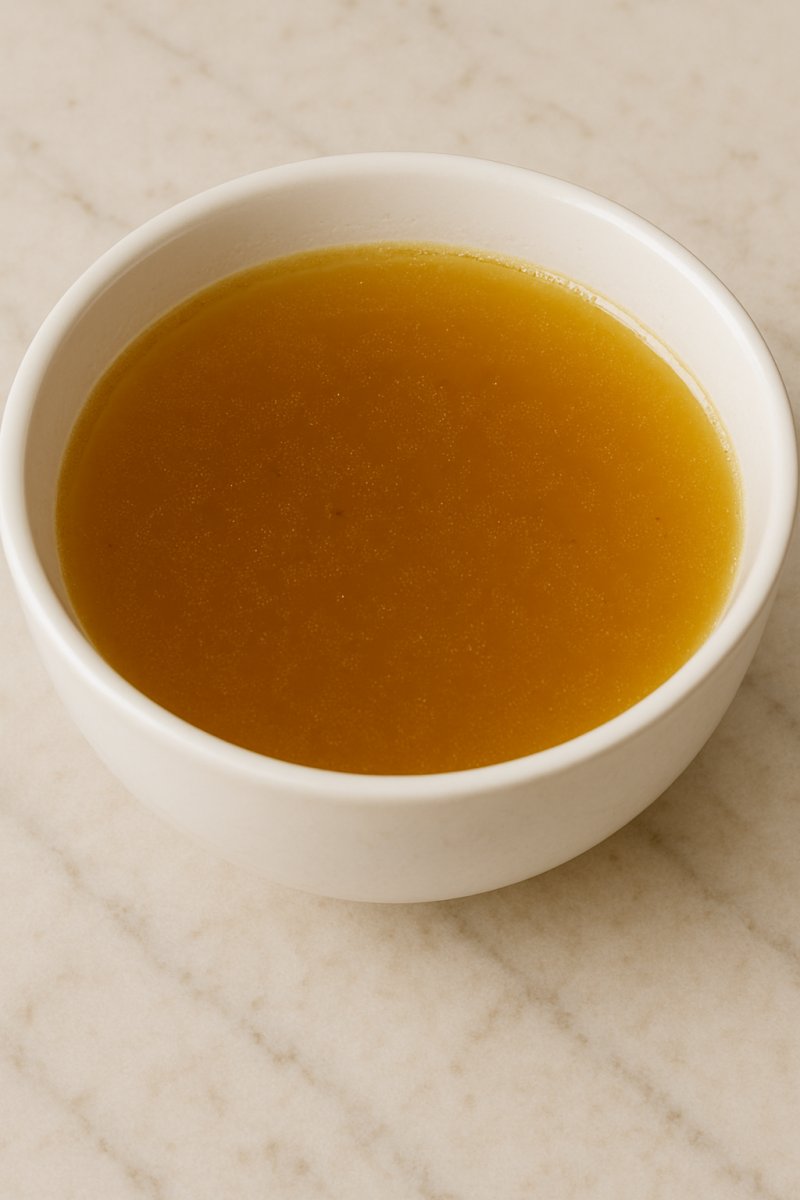
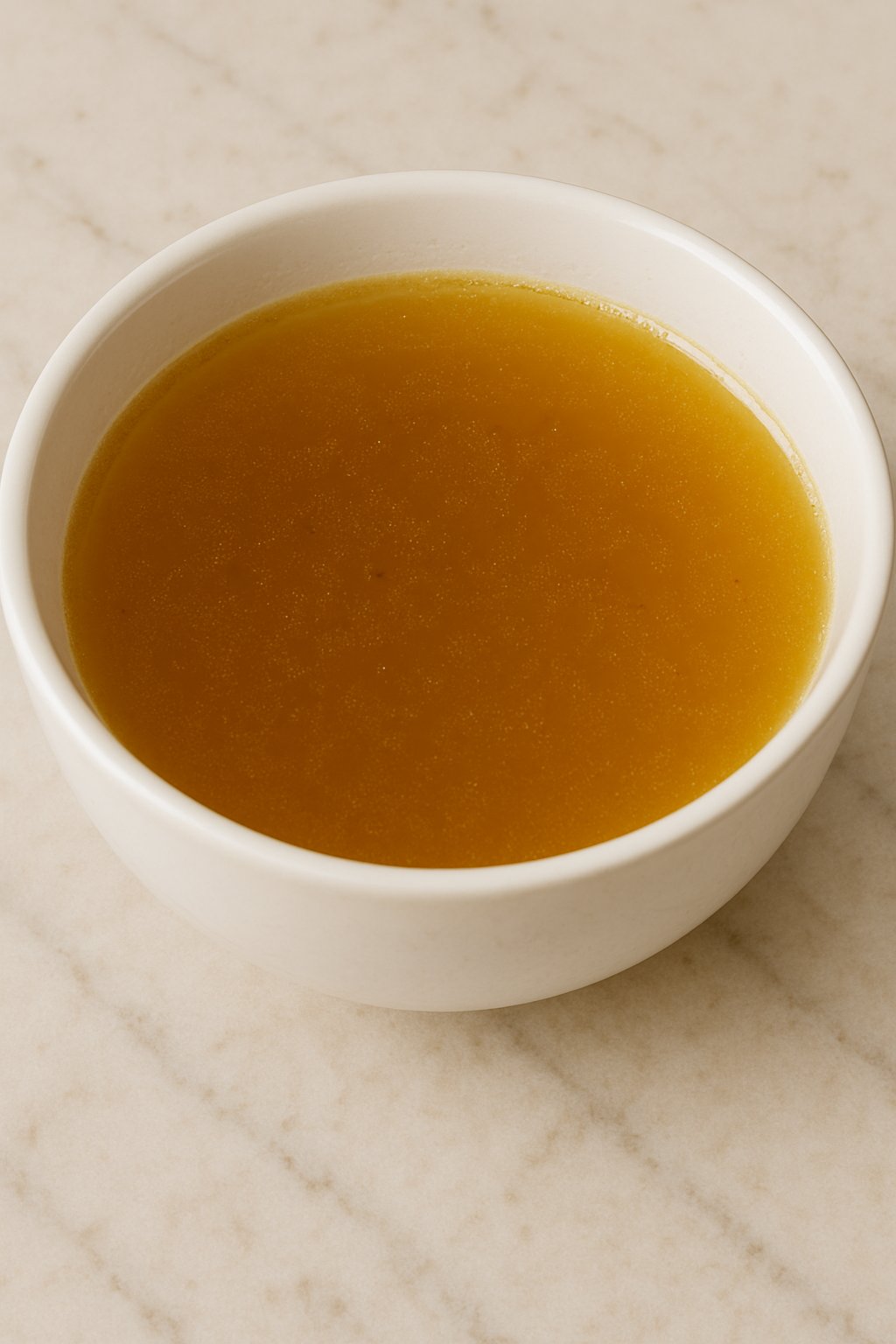
Clear bowl with hot broth
I clearly remember the first winter when broth became my secret kitchen hero: not the pompous ragout, but that clear, comforting liquid that gives soul to every soup, every stew and even some risottos. Broth is for me more than just an ingredient; it is memory, base and mystery at the same time. When I think of broth, I see a large pot on the stove, steam filling the kitchen, and the smell of roasted bones or caramelized pieces of vegetables that immediately brings warmth to every corner of the house.

Over the years I have come to know different broths: the robust beef broth, the delicate chicken broth, the mineral-like vegetable broth and the deep bone broth that simmers for hours. Each has its role. Chicken broth is for me the first-aid kit for colds, while beef broth gives depth to a braised dish. Vegetable broth is my everyday all-rounder when I need to be quick but still want flavor.

I have also learned that good broth needs time. Once I rubbed my eyes from tiredness and let a pot of bones simmer for ten hours; the next morning the kitchen was filled with an aroma that justified all the effort. A colleague of mine swears by adding bay leaves and peppercorns only at the beginning, another friend adds them at the end to preserve fresh aromas. Both methods work — the secret is in experimenting.

  • Basic ingredients: bones or vegetables, water, salt and aromatic herbs.
  • Preparation: roast or sear lightly, then let simmer slowly.
  • Use: soups, sauces, risotto, stews and as a flavor carrier when braising.
Broth freezes wonderfully and can be used in portions, which greatly eases my chaotic weeks. It is a quiet hero in the kitchen: unspectacular, but indispensable. When I have guests today, I often start the first spoonful with a satisfied smile — because good broth says more than a thousand words about care, craft and enjoyment.

Availability & types

Availability and types

Broth is a very simple and useful ingredient that can be found almost everywhere. It is the liquid that forms when meat, bones, vegetables or mushrooms are cooked in water for a long time. Sometimes you buy broth ready-made in the supermarket, and sometimes you make it at home. Think of broth like a warm, flavorful soup, but often without the solid pieces like meat or vegetables.

Origin
Broth does not have a single region of origin, because people in many countries have been making broths for thousands of years. In cold regions families often cooked bones and slaughter leftovers to avoid wasting valuable nutrients and flavor. In warmer regions vegetables, herbs and sometimes fish were used. Today industrial broths are produced in factories, while many families still keep their own recipes. The idea is similar everywhere: water + flavor carriers = broth.

Production areas and raw materials
Broth itself does not grow in a field, but its ingredients do. Here is an overview of where the most important components come from:

  • Vegetables such as carrots, onions, celery and leeks usually come from vegetable-growing areas, i.e. farms. These plants grow in many countries and are harvested to be used in broths.
  • Meat and bones come from animal husbandry (cattle, poultry, pigs). These animals are raised on farms before their bones and meat cuts are cooked into broth.
  • Fish and seafood for fish broths come from coastal regions or aquaculture facilities.
  • Mushrooms for mushroom broths can be gathered in the forest or cultivated on mushroom farms.
  • Herbs and spices such as parsley, bay, pepper and garlic are grown in gardens or fields and give the broth additional flavor.
Available varieties and variants
There are many different kinds of broth, so there is something for every taste. Here are some common varieties, simply explained:

  • Vegetable broth: made only from vegetables and herbs. It is light and often vegetarian or vegan. Ideal when you don't want to eat meat.
  • Chicken broth: comes from cooked chicken meat and bones. It tastes somewhat more savory and is often drunk during colds because it is warm and comforting.
  • Beef broth: stronger and more robust in flavor because beef bones are cooked for a long time. Good for stews or sauces.
  • Fish broth: lighter, with a sea-like flavor. It is often used for fish soups or seafood dishes.
  • Bone broth: a special variant in which bones are cooked very long (sometimes many hours). Substances are released that give the broth even more depth.
  • Instant or powdered broth: ready-made products that you quickly mix with hot water. Practical for travel or when you are in a hurry, but often contain additives.
  • Seasoned broths and bouillon cubes: small cubes or pastes that are highly concentrated. A cube in hot water produces a quick broth.
How to choose the right broth?
When you go shopping, consider what you want to cook. For a vegetarian soup choose vegetable broth. For hearty stews beef broth is suitable. Homemade broth often tastes fresher, but ready-made products are practical. Check the ingredient list: shorter lists with familiar words usually mean fewer additives, just like with other foods you use in the kitchen. That way you find the broth that best suits your dish.

Summary: Broth is widely available because its components come from farms, seas and forests. There are many varieties — from vegetable to bone broth — and ready-made products for quick cooking. Whether homemade or bought, broth is a simple, versatile staple that adds flavor and warmth to many dishes.
Details & nutrition

Property Value
Unit ml
Calories per 100 5
Protein per 100 0.5
Carbohydrates per 100 0.5
Sugar per 100 0.2
Fat per 100 0.1
Saturated fat per 100 0.03
Monounsaturated fat 0.03
Polyunsaturated fat 0.04
Fiber per 100 0
Vitamin C (mg) per 100 0
Vitamin D (IU) per 100 0
Calcium (mg) per 100 10
Iron (mg) per 100 0.1
Nutri-Score A
CO₂ footprint 0.05
Origin Varies depending on the ingredients used (vegetable or meat broth)
Gluten-free No
Lactose-free Yes
Nut-free Yes
Vegan No
Note Nutritional values refer to a commercially available ready-to-use clear broth (lightly salted). Composition can vary greatly depending on the recipe (vegetable, meat, or instant broth).

Technical & scientific information

Broth refers to a clear or slightly cloudy liquid that is obtained by simmering animal or plant starting materials in water and is used as a basis for soups, sauces and other dishes. The composition of a broth varies depending on raw material, cooking time and temperature, but typically contains dissolved proteins, amino acids, minerals, fat-soluble and water-soluble vitamins as well as dissolved flavor compounds such as nucleotides and organic acids.

Chemical composition and main constituents

  • Proteins and peptides: When cooking meat and bones, collagen and other structural proteins are partially hydrolyzed and release gelatin as well as shorter peptides. These contribute to texture and mouthfeel.
  • Amino acids: Free amino acids such as glutamic acid and glycine are produced during protein hydrolysis and are crucial for the savory umami taste.
  • Nucleotides: Creatine, inosinate and other nucleotides can migrate from muscle tissue and organs into the cooking water and synergistically enhance flavor together with amino acids.
  • Fats and fat-soluble components: Triglycerides, free fatty acids, cholesterol and fat-soluble vitamins (A, D, E, K) dissolve partially in the broth or accumulate as a fat film on the surface.
  • Minerals and electrolytes: Sodium, potassium, calcium, magnesium, phosphates and trace elements leach from bones, vegetables and salt into the cooking water.
  • Polysaccharides: Pectins and soluble cell wall components from vegetables as well as glycosaminoglycans from connective tissue can influence viscosity behavior.
Nutritional profile

The nutritional value of a broth depends strongly on ingredients and preparation method. Even clear broths provide relatively few calories if they are defatted; in fattier variants they can, however, supply significant amounts of energy. Typical nutrient components per 100 ml are water, several grams of protein (mainly as gelatin/peptides), small amounts of carbohydrates and, depending on fat removal, 0–5 g of fat. Sodium content can be considerable, especially in products with added table salt or in ready-made products.

Processing methods

  • Traditional simmering: Bones, meat, vegetables and spices are set in cold water and held over several hours at low to medium temperature to allow gentle extraction.
  • Rapid methods: Short cooking times at higher temperature or pressure cooking accelerate extraction but can affect volatile aroma compounds and clarity.
  • Clarification: Techniques such as binding with egg white (consommé method) or filtration are used to remove turbidity and achieve a clear broth.
  • Defatting: Skimming or cooling and removing the fat layer reduces fat content and changes the flavor profile.
Sensorics and chemical background of flavor

The flavor of a broth is the result of complex chemical interactions. The combination of umami-delivering amino acids and nucleotides produces a gustatory enhancement. Maillard reactions, which occur at higher temperatures or with longer browning of bones and meat surfaces, form aromatic compounds such as melanoidins and heterocyclic compounds that deepen the overall flavor. Organic acids, sugar degradation products and sulfides contribute to acidic, sweet and savory notes.

Health aspects

  • Benefits: Broths provide electrolytes, readily available amino acids and can support fluid and nutrient intake. Gelatin-containing broths are often associated with positive effects on joint health, satiety and the gastrointestinal tract, although robust clinical data are limited.
  • Risks: High sodium content in industrially produced or heavily salted broths can be burdensome for the cardiovascular system. Fatty variants increase caloric intake. Using bones from contaminated animals can allow traces of heavy metals or drug residues to pass into the broth, although this is generally low and depends on the starting material and preparation.
Practical notes

The choice of ingredients, cooking time and temperature control ultimately determine nutrient density, flavor and clarity of a broth. Through targeted defatting and moderate salt addition, low-calorie and low-sodium variants can be produced. For high nutrient extraction, long gentle cooking times and the use of acid sources such as vinegar are advantageous because acids promote the dissolution of minerals from bones.

Overall, broth is a versatile food with a complex chemical composition that is significant both culinarily and nutritionally. Its properties can be specifically controlled through scientifically grounded cooking and processing parameters to achieve desired sensory and nutritional goals.

Wiki entry for: broth
Active now: 6 visitors of which 2 logged-in members in the last 5 minutes