Menu & categories

Broccoli

Versatile green vegetable rich in nutrients

Wiki about broccoli Nutri-Score A Vegan Yes Gluten-free Yes Lactose-free Yes Nut-free Yes
NUTRITION / 100 g
34 kcal 2.8 g Protein 6.6 g Kohlenhydrate 0.4 g Fett

Introduction

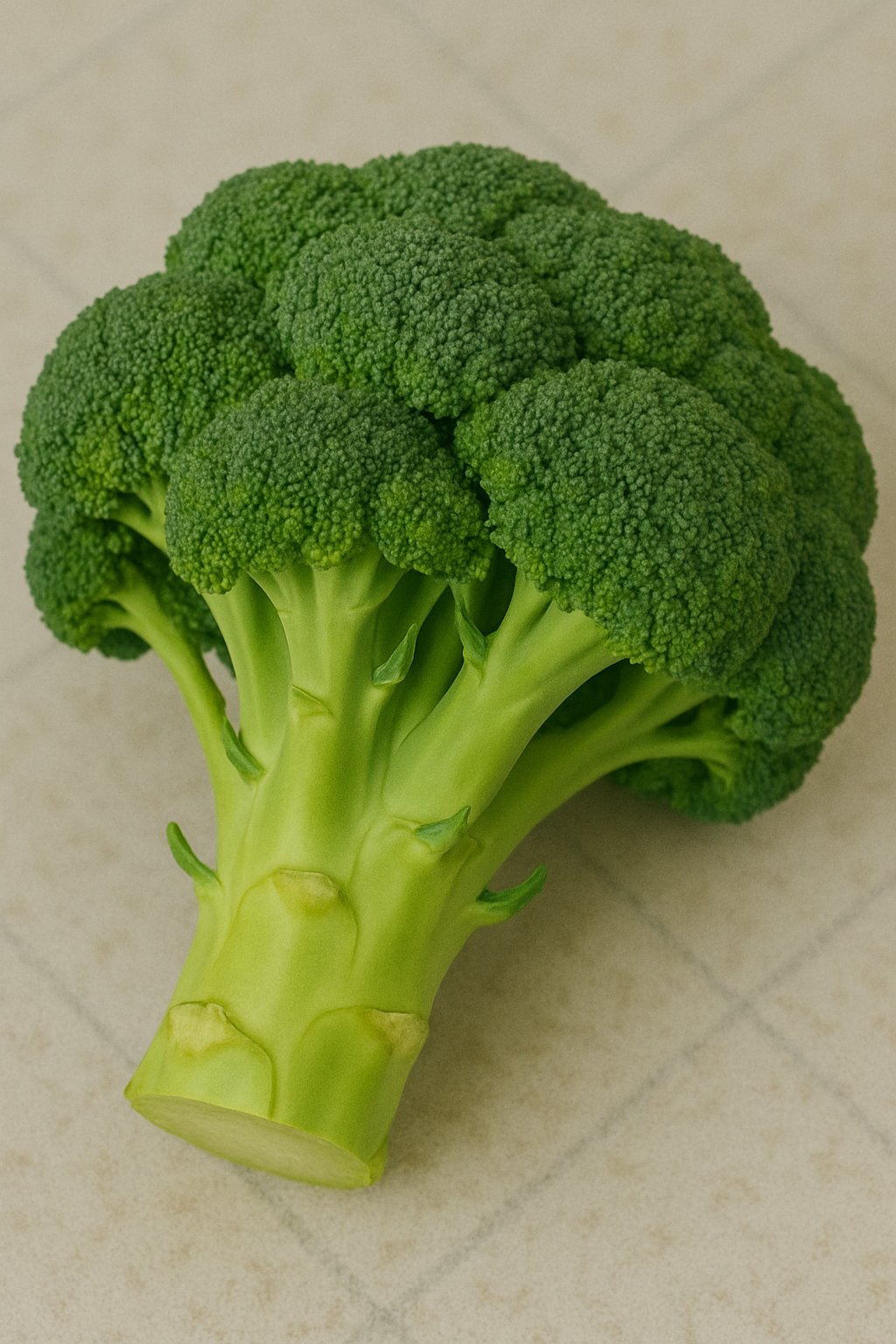
Fresh broccoli
Broccoli is one of the most versatile and at the same time underrated ingredients in European cuisine. As a 35-year-old editor who shuttles between deadlines, family meals and visits to the weekly market, I have learned to see this cruciferous vegetable not just as a side dish but as the main character on the plate. In my kitchen broccoli is a staple because it is fresh, flavorful and surprisingly adaptable. It also convinces with a nutrient density that provides real added value in everyday cooking. Whether in creamy soups, crispy from the oven, quickly sautéed in a pan or raw in a salad – broccoli is an ingredient that appeals to connoisseurs and casual eaters alike.

I remember my first conscious broccoli purchase at a small market in northern Italy. The vendor handed me a deep green specimen and said, “This one was still in the field yesterday.” That is exactly how broccoli should look: bright green, with firm florets and juicy stalks. Yellowish tips or soft areas indicate that the flower is no longer completely fresh. Since then I pay special attention when shopping to color, firmness and smell. Broccoli should smell like a mixture of fresh cabbage and grass — never musty. A colleague of mine also swears by cutting the stem to check for moisture: if the cut is juicy, the broccoli is optimal.

In Europe broccoli has long since earned its place among classic vegetables such as carrots, courgettes and cauliflower. It is fascinating how differently it is prepared regionally: in Scandinavia it often ends up roasted in the oven with oil, salt and lemon zest, in the Mediterranean it goes into pasta, frittata and risotto, while at home I often quickly toss it in a wok with garlic, chili and sesame oil. A friend from Portugal once taught me to blanch broccoli briefly and then dress it with toasted almonds, olive oil and coarse sea salt — a dish that pairs with grilled fish in summer and baked feta in winter.

What makes broccoli so valuable is its nutrient profile. It is rich in vitamin C, provides vitamin K and folate and contains fiber

Availability & types

Availability and types of broccoli

Broccoli is a green vegetable that belongs to the large cabbage family. It is related to cauliflower, kale and Brussels sprouts. If you see broccoli at the supermarket or at the market you recognize it by the many small green buds that together look like a mini tree. These buds are actually inflorescences harvested before they open. Broccoli is very popular because it is versatile, mild in taste and contains many vitamins.

Origin and history
Broccoli originally comes from the Mediterranean region, especially Italy. The ancient Romans already knew it and enjoyed eating it. From there it spread to Europe and later to the whole world. Today broccoli is grown in many countries, for example in Italy, Spain, France, Germany, the USA, Mexico and China. In Europe a large part of winter broccoli comes from warmer regions such as Spain, while in summer much is grown in Central Europe.

Seasonal availability
Broccoli is now available almost year-round, but the best season depends on the region. In Germany the main season is approximately from June to October, when the climate is warm but not too hot. In these months broccoli is especially fresh, often cheaper and has short transport routes. Outside the main season it often comes from countries with milder winters. This way you can get broccoli in autumn and winter too, just often with longer supply routes.

Fresh, frozen or jarred?
You can buy broccoli in different forms:

  • Fresh: Whole heads or florets, usually deep green, with a firm stalk. Ideal for crunchy dishes.
  • Frozen (FZ): Already washed and cut into florets. Convenient, long-lasting and often quick-frozen right after harvest so many nutrients are retained.
  • Pre-cooked or in jars/cans: Less common; usually softer in texture and more suitable for soups or purees.
  • Broccolini/Bimi

Details & nutrition

Property Value
Unit g
Average weight per piece 300
Calories per 100 34
Protein per 100 2.8
Carbohydrates per 100 6.6
Sugar per 100 1.7
Fat per 100 0.4
Saturated fat per 100 0.05
Monounsaturated fat 0.03
Polyunsaturated fat 0.04
Fiber per 100 2.6
Vitamin C (mg) per 100 89
Vitamin D (IU) per 100 0
Calcium (mg) per 100 47
Iron (mg) per 100 0.7
Nutri-Score A
CO₂ footprint 0.5 kg CO2e/kg
Origin Europe, partly regional and seasonal
Gluten-free Yes
Lactose-free Yes
Nut-free Yes
Vegan Yes
Note Cruciferous vegetable; may cause bloating in sensitive individuals; rich in vitamin C and secondary plant compounds.

Technical & scientific information

Broccoli (Brassica oleracea var. italica) is a cultivated form of cabbage vegetable from the family Brassicaceae (mustard family). Characteristic are the compact, branched inflorescences with dark green to bluish-green florets, which together with tender stems are used as a vegetable. Originally domesticated in the Mediterranean region, broccoli spread during modern times to Europe and North America and is today considered a central component of a plant-based, nutrient-rich diet. Its botanical closeness to cauliflower, Brussels sprouts and kale is reflected in similar constituents, particularly glucosinolates, secondary plant compounds and sulfur-containing compounds.

Botany and morphology: Broccoli forms a rosette of large, slightly wavy leaves with a waxy cuticle that reduces evaporation. The central, fleshy stem branches into numerous flower heads (inflorescences) made up of densely packed buds. Harvest typically occurs before flowering, when the buds are still closed and show a firm but elastic texture. Flower stalks and side shoots can be harvested repeatedly after the main head, making broccoli economically attractive. The plants are biennial but are usually cultivated as annuals.

Nutritional profile and macronutrients: Broccoli is low in energy and high in water. Per 100 g it provides about 30–35 kcal, about 2.5–3.5 g protein, 0.2–0.6 g fat and 3–7 g carbohydrates, including 2–3 g fiber. The protein shows a broad spectrum of amino acids, though with limiting methionine, typical for many vegetables. The fiber consists of soluble and insoluble fractions that contribute to satiety and support the intestinal microbiome.

Micronutrients and bioactive compounds: Broccoli contains high amounts of vitamin C, vitamin K1 (phylloquinone), folate, vitamin A precursors (beta-carotene), as well as potassium, manganese and in moderate amounts calcium, phosphorus and magnesium. Noteworthy are the glucosinolates

Wiki entry for: broccoli
Active now: 18 visitors of which 2 logged-in members in the last 5 minutes