Menu & categories

Breadcrumbs

Dried and ground wheat bread for breading and binding

Wiki about breadcrumb Nutri-Score D Vegan Yes Gluten-free No Lactose-free Yes Nut-free Yes
NUTRITION / 100 g
365 kcal 13 g Protein 70 g Kohlenhydrate 5 g Fett

Introduction

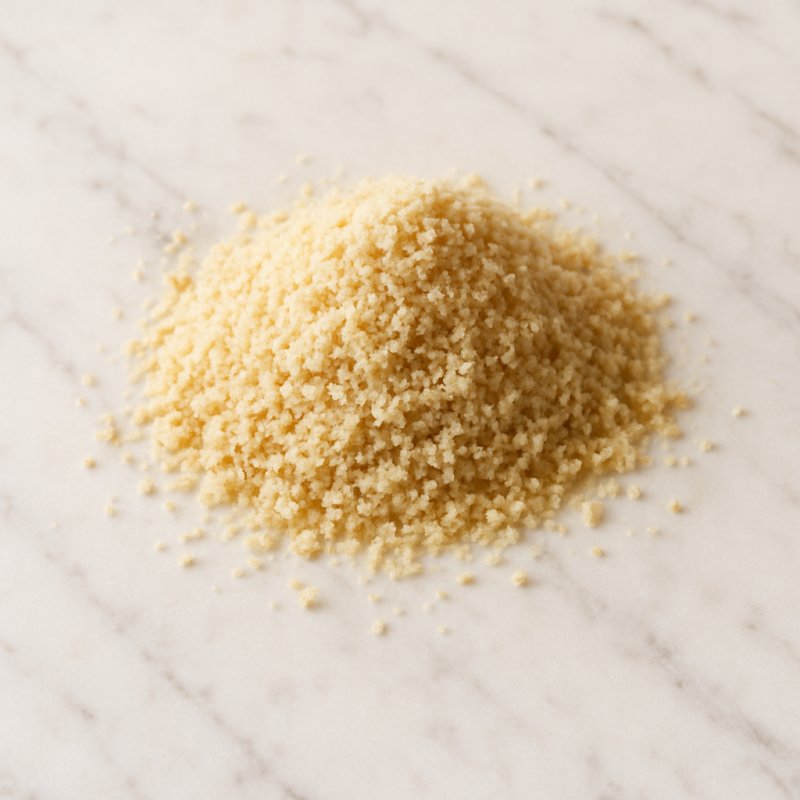
Breadcrumbs in a bowl and scattered on a wooden board
I still remember the smell that filled my kitchen the first time I consciously worked with breadcrumbs: warm, slightly buttery, with the promise of a crispy transformation. Back then I stood at a stove that had seen better days and experimented with leftover bread – thus began a small passion. For me breadcrumbs are more than just an ingredient; they are a reliable helper that brings texture, flavor and stability to a wide range of dishes.

What I especially appreciate about breadcrumbs is their versatility. They serve as a crispy coating for schnitzel, flatter as a topping over gratins and help as a binder in meatballs or fillings. A colleague of mine swears by using breadcrumbs instead of flour to keep baked breaded fish moist, while another friend mixes a pinch of grated Parmesan with breadcrumbs to achieve an irresistible crust. These little tricks show how adaptable the product is.

Here are some practical properties I regularly use:

  • Structure: coarse or fine crumbs give the dish different levels of crispiness.
  • Absorption: breadcrumbs absorb liquids and stabilize mixtures.
  • Flavoring: herbs, spices or cheese can be easily incorporated.
I have learned that homemade breadcrumbs are often the best choice: dry stale bread in the oven, grind finely and season as desired – it doesn't get any easier. At the same time the supermarket plays a practical role, especially when time is short. Once I confused panko with regular breadcrumbs at a dinner; the guests praised the extraordinary crispiness and I noted the mistake as a success.

Breadcrumbs are therefore an unobtrusive but indispensable partner in the kitchen. They forgive mistakes, improve textures and allow creative freedom. You just need to experiment a little – and maybe save a piece of old bread that would otherwise have ended up in the trash.

Availability & types

Availability and types of breadcrumbs

Breadcrumbs are easy to find and are often kept at home or available at the supermarket. They are made by finely crumbling leftover bread or dry rolls. Therefore breadcrumbs originate wherever bread is baked or eaten – essentially worldwide. The basic idea is always the same: stale bread is not thrown away but processed into small crumbs used for breading (coating foods) or as a binder in cooking.

Origin and growing regions
Breadcrumbs themselves do not grow in fields because they are made from bread. Bread in turn is baked from grains such as wheat, rye or sometimes corn. These cereals grow in many countries: wheat in Europe, North America and Australia; corn largely in North and South America; rye often in cooler regions like Eastern Europe and parts of Germany. The exact origin of breadcrumbs therefore often depends on where the bread originally comes from or where the bakery that makes the breadcrumbs is located.

Available varieties and variants
There are different kinds of breadcrumbs, each serving a slightly different purpose. Here are the main ones, explained simply:

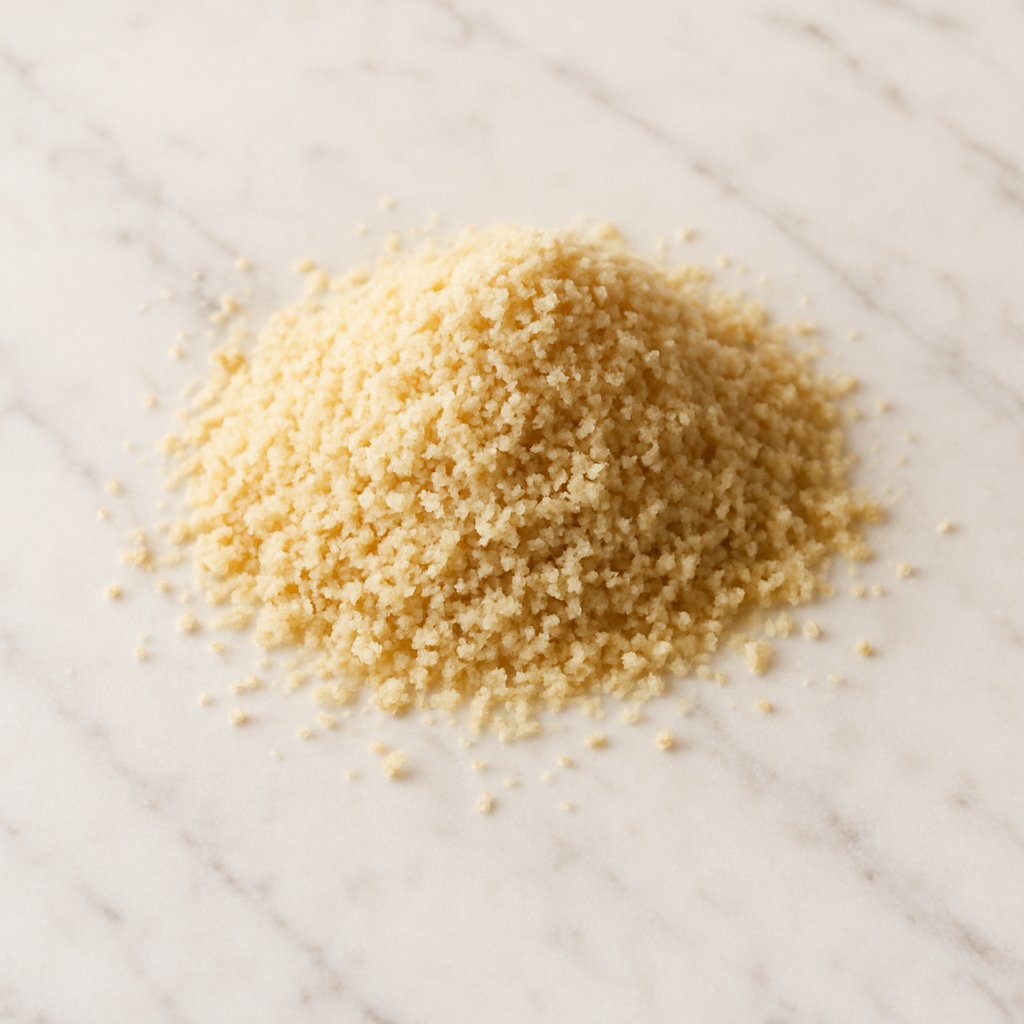
  • Light breadcrumbs (plain crumbs): very fine and light in color because they are made from white bread or rolls. They are soft and are often used for schnitzel or for gratinating, so the result becomes nicely crispy and even.
  • Coarsely ground breadcrumbs: these crumbs are larger and create an extra crispy surface. They can be used when you want a dish to be particularly crunchy, for example with roasted vegetables.
  • Whole grain breadcrumbs: made from whole grain bread, they look darker and taste a bit stronger. They are somewhat healthier because more of the whole grains are retained in the bread.
  • Gluten-free variants: for people who cannot tolerate gluten there are breadcrumbs made from rice, corn or specially gluten-free breads. They work similarly but are made from different ingredients.
  • Panko (Japanese breadcrumbs): this is a special type that is very airy and flakey. Panko is made from a special crustless bread, which results in extra large, light crumbs. This makes the breading very airy and extra crispy.
  • Seasoned coatings: sometimes breadcrumbs are already mixed with herbs or spices. This saves effort when you want to add more flavor to the food right away.
Where to find it and how long does it last?
Breadcrumbs can be found in supermarkets, health food stores and sometimes directly at the bakery. They are usually sold in bags or jars. Homemade breadcrumbs are also very easy to make: dry leftover bread and then crush it. Packaged breadcrumbs often keep for several months as long as they are stored dry and well sealed. If they smell musty or have become damp, they should not be used.

In summary: breadcrumbs are a versatile ingredient made from bread and available in many variants – from fine to coarse, light to whole grain, even gluten-free or as panko. They are easy to find, often inexpensive, and a great way to reuse stale bread and make dishes crispy.
Details & nutrition

Property Value
Unit g
Calories per 100 365
Protein per 100 13
Carbohydrates per 100 70
Sugar per 100 5
Fat per 100 5
Saturated fat per 100 1
Monounsaturated fat 2
Polyunsaturated fat 2
Fiber per 100 4
Vitamin C (mg) per 100 0
Vitamin D (IU) per 100 0
Calcium (mg) per 100 50
Iron (mg) per 100 4
Nutri-Score D
CO₂ footprint 0.8
Origin Mostly industrially made from wheat bread or wheat rolls
Gluten-free No
Lactose-free Yes
Nut-free Yes
Vegan Yes
Note Nutritional values may vary slightly depending on the type of bread used and the recipe (e.g., wholegrain, added fat or sugar).

Technical & scientific information

Breadcrumbs are a finely ground product made from dried bread, used in the kitchen as a binder, filler and coating. Chemically, breadcrumbs consist mainly of carbohydrates in the form of starch, complemented by proteins, small amounts of fats as well as fiber and minerals that come from the source grains. Exact composition varies with the bread type and processing; white bread–based variants contain fewer fibers and minerals than whole grain breadcrumbs.

Manufacturing and processing methods
Traditional breadcrumbs are produced by drying bread leftovers and subsequently milling or crushing them into a fine granulate. Industrial processes use controlled drying at moderate temperatures to minimize the Maillard reaction and thus avoid undesirable flavor changes. Further steps may include sieving to standardize particle size, toasting to add flavor and, if necessary, the addition of salt, spices or preservatives. Differences in particle size lead to different functional properties: very fine breadcrumbs bind more strongly and create a more uniform crust, while coarser crumbs provide a crunchier texture.

Nutritional values and constituents
Breadcrumbs supply primarily energy in the form of carbohydrates (starch); per 100 g they typically contain, depending on the base bread, 60–75 g of carbohydrates. Protein content is usually between 7 and 12 g per 100 g, fat contents are low (around 3–8 g) and fiber varies widely (2–10 g). Micronutrients such as iron, magnesium and B vitamins are present in small amounts; whole grain variants provide higher amounts of these nutrients. The caloric value corresponds to that of typical starchy foods and is approximately 350–400 kcal per 100 g.

Functional properties in food technology
Breadcrumbs fulfill several functional roles:

  • Binder: in mixtures like meatballs or patties the crumbs absorb water and protein, swell and stabilize the structure.
  • Coating: when frying or baking, breadcrumbs form a protective layer that retains moisture in the food and promotes Maillard browning, improving color and flavor.
  • Filler and carrier: in breaded products breadcrumbs increase volume and act as a carrier for flavors and spices.
Food safety and storage
Well-dried breadcrumbs are microbiologically stable because low water activity inhibits growth of bacteria and mold. Nevertheless, improper storage can lead to rancidity, especially if the product contains fat fractions or foreign substances. Storage in dry, cool and airtight containers extends shelf life. Industrially produced breadcrumbs may contain preservatives or antioxidants that slow down spoilage.

Health aspects
Breadcrumbs are a safe food ingredient for most people. For individuals with celiac disease or gluten intolerance, commercially available breadcrumbs made from wheat are not suitable; however, gluten-free alternatives made from rice, corn or gluten-free bread exist. Sodium content can be higher in seasoned mixes, which is relevant for people on a sodium-restricted diet. From a nutritional perspective breadcrumbs can be used to reduce the meat proportion in recipes by increasing volume, but they primarily contribute to energy intake through carbohydrates.

Variants and culinary applications
Regional differences include panko (Japanese, coarse and particularly crispy variant), finely milled crumbs for uniform crusts and seasoned mixes for convenience products. Breadcrumbs are used in traditional recipes for schnitzel, croquettes, casseroles and vegetarian dishes and play a role in the food industry for standardizing texture and yield.

In summary, breadcrumbs are a versatile, starch-rich food product with well-defined functional properties in the kitchen and food technology. Their nutritional parameters depend strongly on the starting material and processing, and by choosing whole grain or gluten-free variants the nutritional and health-related properties can be specifically adjusted.

Wiki entry for: breadcrumb
Active now: 18 visitors of which 2 logged-in members in the last 5 minutes